

Christianity — the world’s largest faith — is built on a shared foundation of belief and practice. Across many traditions, Christians hold to core truths that shape how they understand God and live out their daily faith.
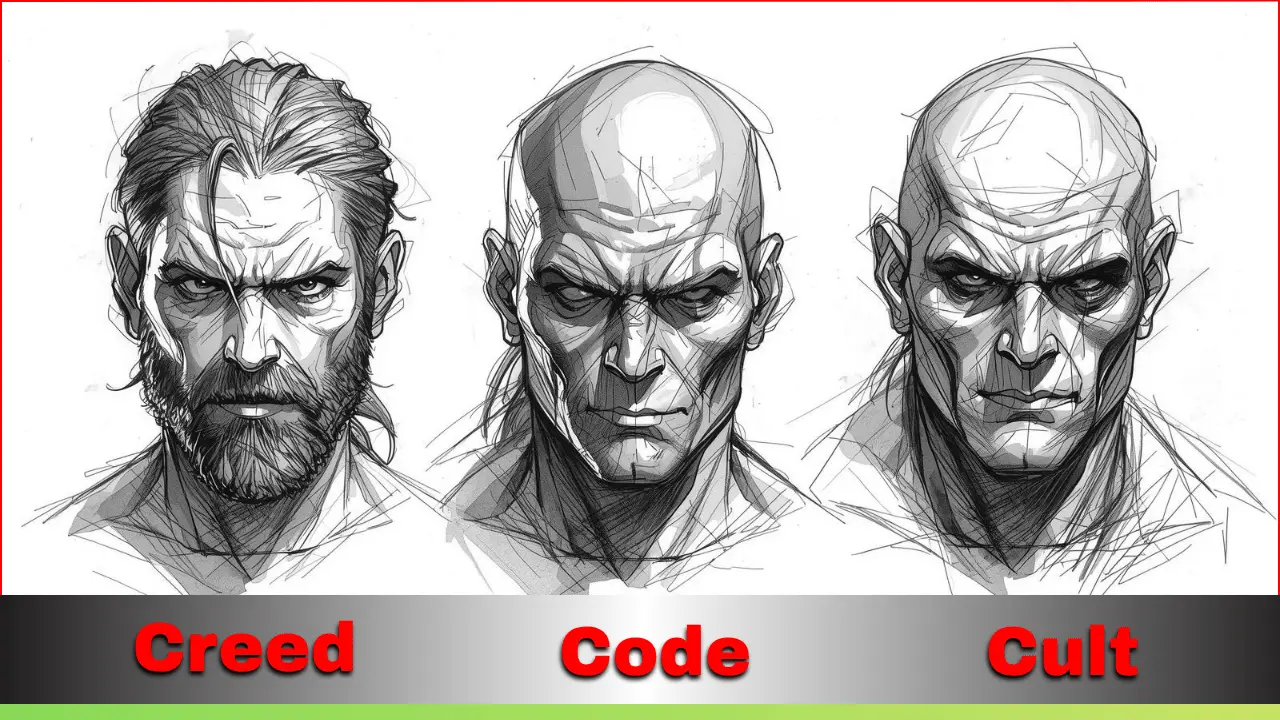
Central to these foundations are the three C’s of Christianity: Creed, Code, and Cult.
Together, they capture what Christians believe, how they behave, and how they worship.
Creed: The Core Beliefs of Christianity
At the heart of Christianity lies the Creed, a summary of the essential beliefs that unite followers of Christ across the globe.
What the Christian Creed Represents
The Creed is not just a list of doctrines but a profession of faith. From the early centuries of the Church, Christians used creeds to affirm their belief in God as Father, Son, and Holy Spirit. Two of the most widely recognized are:
- The Apostles’ Creed – a concise statement of faith rooted in the early Church.
- The Nicene Creed – formulated in the 4th century to address theological debates, emphasizing Christ’s divinity and the unity of the Trinity.
These creeds are still recited in worship services today, especially in Catholic, Orthodox, and many Protestant traditions.
Why Creed Matters Today
The Creed serves as a compass for Christians, keeping faith anchored in truth and protecting against confusion or distortion of doctrine.
Code: Living Out the Christian Faith

Belief alone does not define Christianity—it must be expressed in action. The Code refers to the moral and ethical way Christians are called to live.
Biblical Principles Guiding the Code
Central to this “code of conduct” are Jesus’ teachings:
- Love God and love your neighbour (Matthew 22:37–39).
- Live out the Sermon on the Mount, which emphasizes humility, mercy, forgiveness, and peace.
- Follow the Ten Commandments, which provide moral clarity on honouring God and treating others rightly.
The Code in Everyday Life
For modern Christians, living by the Code means striving to reflect Christ in daily decisions—whether in family, work, community, or society. It involves integrity, generosity, forgiveness, and compassion.
Cult: Worship as the Heartbeat of Christianity

The third “C,” Cult, comes from the Latin cultus, meaning worship or adoration. In Christianity, this refers to the practices that express devotion to God, both individually and in community.
Worship Through Sacraments and Prayer
Christian worship has many forms, but its central purpose is to glorify God. This includes:
- Prayer and Scripture reading as personal devotion.
- Sacraments such as Baptism and the Eucharist, which are celebrated in most traditions.
- Corporate worship gatherings, where believers unite in songs, prayer, and teaching.
Why Worship Is Essential
Worship is not just a ritual—it is the heartbeat of Christian life. It realigns believers with God’s presence, strengthens community, and provides spiritual nourishment.
The Interconnection of Creed, Code, and Cult
While each “C” stands on its own, together they form a complete picture of Christianity.
- Creed gives the content of belief.
- Code provides the framework for ethical living.
- Cult offers the rhythm of worship and prayer.
When combined, the 3 C’s ensure that Christianity remains not just a set of ideas, but a living, breathing way of life.
Historical Origins of the 3 C’s
The framework of Creed, Code, and Cult is not a modern invention—it has deep historical roots. Early Church fathers emphasized the balance between orthodoxy (right belief), orthopraxy (right practice), and orthopathy (right worship). Over centuries, theologians and educators distilled these ideas into the memorable “3 C’s.”
Related Posts
- Catholicism vs Christianity: A Fresh Perspective on Their Differences
- The 5 P’s of Christianity That Will Change How You Live Your Faith
Modern Relevance of the 3 C’s
In today’s world, Christians often face challenges such as secularism, moral relativism, and divisions within the Church. Returning to the 3 C’s can serve as a guide for renewal:
- For faith seekers – The Creed provides clarity in understanding what Christianity teaches.
- For practicing believers – The Code serves as a reminder that faith must be lived out daily.
- For the global Church – The Cult reinforces unity through worship and shared sacraments.
Even beyond Christianity, these three categories can inspire people to reflect on their own beliefs, values, and practices.
Religion vs. Relationship — A Biblical Explanation
Religion in the Bible: In Scripture, religion often means trying to reach God through rules and traditions. The Pharisees kept every regulation, yet Jesus said their hearts were far from Him (Matthew 15:8). Religion can change behaviour, but not the heart.
Relationship in Scripture: A relationship with God is personal. God walked with Adam, called Abraham His friend, and Jesus said, “My sheep hear My voice” (John 10:27). Relationship is rooted in love, not performance.
God Is Near: Religion suggests God is distant. Relationship shows He draws close. The New Covenant declares, “I will be their God, and they shall be My people” (Jeremiah 31:33).
The Core Difference: Religion writes rules on stone. Relationship writes God’s love on the heart.
| Religion | Relationship with God |
|---|---|
| About rules and rituals | About knowing God personally |
| Tries to earn God’s approval | Lives from God’s unconditional love |
| Focuses on outward actions | Focuses on inner transformation |
| Creates fear, guilt, and pressure | Creates peace, trust, and freedom |
| Humans trying to reach God | God reaching for humans first |
| Based on performance | Based on grace |
The 3 C’s of Christianity—Creed, Code, and Cult—summarize the essence of the Christian life. They remind believers that faith is not just about belief in God, but also about living according to His will and worshiping Him with devotion. Together, they provide a timeless framework that continues to guide Christians in every era.
