
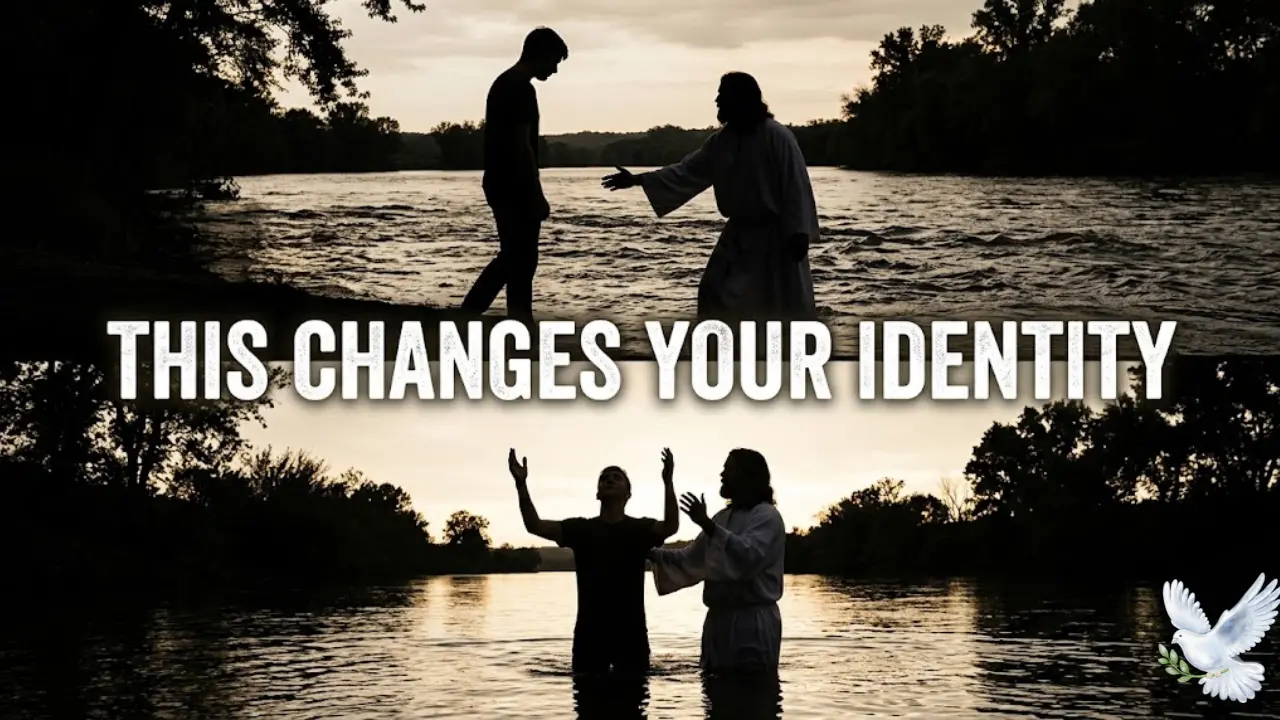

Every person lives from a sense of identity, whether consciously or unconsciously. Identity shapes choices, defines reactions and influences how meaning is attached to life experiences. It answers deep questions such as: Who am I? Where do I belong? What is my purpose?
In the Christian life, identity is not something self-created or dependent on circumstances. It is something received. Baptism plays a key role in marking and clarifying that identity. It is not just a symbolic act, but a moment that points to a deeper spiritual reality.
When baptism is understood properly, it changes more than behaviour. It changes perception. It reshapes how a person sees themselves, their past, their present and their future. This is why its impact on identity is so significant.
From Old Identity to New Identity
Before faith, identity is often formed by external influences such as upbringing, cultural expectations, personal success or failure. Many people carry labels shaped by past experiences, whether positive or negative.
Baptism represents a decisive transition away from that old identity. It symbolizes leaving behind what once defined a person and stepping into a new identity rooted in God.
This shift is not just emotional or symbolic. It reflects a real spiritual change. Identity is no longer tied to past mistakes or achievements. Instead, it is grounded in being forgiven, accepted and renewed.
This new identity provides stability. It removes the need to constantly redefine oneself based on changing circumstances. It creates a foundation that remains consistent over time.
A New Identity Rooted in Relationship
One of the most transformative aspects of baptism is the sense of belonging it establishes. Baptism marks a person as part of God’s family.
This belonging is not conditional. It is not based on performance or behaviour. It is given through grace. This creates a deep sense of security and acceptance.
This security changes how a person lives. Instead of striving to earn approval, there is a growing confidence that comes from already being accepted. This shifts motivation from pressure to purpose.
It also creates relational identity. A person is not only connected to God, but also to a community of believers. This shared identity provides support, encouragement and a sense of unity.
Identity That Reshapes Inner Thought
One of the most subtle yet powerful effects of baptism is the change in internal thinking. Identity begins to reshape the way a person speaks to themselves.
Before this shift, thoughts may be dominated by insecurity, fear or self-doubt. A person may define themselves by past failures or external expectations.
After baptism, a new perspective begins to form. There is a growing awareness of value, purpose and direction. While old thought patterns may still appear, they gradually lose their influence.
This transformation takes time. It is not immediate or automatic. However, as identity becomes clearer, thoughts begin to align with that truth. This inner change becomes the foundation for outward transformation.
A New Emotional Foundation
Identity does not only affect thinking. It also shapes emotional responses. After baptism, there is often a gradual shift in how emotions are experienced and processed.
Instead of being overwhelmed by fear, there is a growing sense of peace. Instead of being controlled by insecurity, there is increasing confidence.
This does not mean negative emotions disappear. It means they are no longer the foundation of identity. A deeper sense of stability begins to develop.
This emotional shift is important because it influences how a person navigates life. It creates resilience and allows for a more balanced response to challenges.
Identity That Transforms Daily Decisions
Identity naturally influences behaviour. After baptism, decisions begin to reflect the new identity a person has received.
This does not happen through force or obligation. It develops naturally. When a person sees themselves differently, they begin to act differently.
Choices that once felt natural may no longer align with the new identity. At the same time, new habits and priorities begin to form.
This transformation is gradual. It grows through consistent decisions and daily experiences. Over time, identity and behaviour become more closely aligned.
Freedom From Past Labels
One of the most liberating aspects of baptism is freedom from past labels. Many people carry identities shaped by mistakes, failures or negative experiences.
Baptism introduces a new identity that is not defined by those labels. It provides a new way of understanding oneself.
This does not erase the past, but it removes its authority. The past no longer defines the present or limits the future.
This freedom creates space for growth and healing. It allows a person to move forward with confidence and hope.
A Confidence That Is Not Easily Shaken
A secure identity leads to a different kind of confidence. This confidence is not based on external success or approval. It is rooted in relationship with God.
Because of this, it is more stable. It does not fluctuate with circumstances. It remains steady even in difficult situations.
This confidence also reduces comparison. When identity is secure, there is less need to measure oneself against others. Life becomes less about proving worth and more about living with purpose.
Over time, this confidence becomes a defining characteristic of a person’s life.
Identity That Grows Ongoing Relationship
Identity is not fully understood in a single moment. It develops over time through relationship with God.
After baptism, this relationship becomes central. Through prayer, reflection and daily living, identity becomes clearer and stronger.
There may be moments of doubt or confusion. However, these are part of the process. Each experience contributes to a deeper understanding of identity.
This growth is continuous. It reflects the ongoing nature of spiritual development.
Living Out Identity in Everyday Life
Baptism is not just a moment that changes identity. It is the beginning of living that identity every day.
Each day provides opportunities to reflect this new identity through choices, attitudes and actions. It involves aligning life with the truth of who a person has become.
This does not require perfection. It requires consistency and willingness. It is about direction rather than flawless performance.
Over time, living out identity becomes more natural. It becomes part of everyday life.
Identity That Points Toward Purpose
Finally, baptism not only changes identity but also reveals purpose. Identity answers the question of who a person is, while purpose answers why they live.
After baptism, there is a growing awareness of direction. Life is no longer defined by random choices or external pressure. It is guided by a deeper sense of meaning.
This purpose does not always appear clearly at once. It develops over time. However, it is rooted in identity.
Understanding this connection brings clarity. It shows that identity is not just about self-understanding, but about living with intention.
Continue Growing in Biblical Understanding
If this topic helped you reflect more deeply, continue exploring these related insights:
- What Is Baptism According to the Bible? Full Guide for Christians
- Why Did Jesus Command Baptism?
- The Shocking Truth About River Baptism
- Why Do Baptists Reject Infant Baptism?
Frequently Asked Questions
Does identity change immediately after baptism?
The change begins immediately but develops over time through growth and experience.
How does identity influence behaviour after baptism?
New identity leads to new choices, habits and priorities aligned with faith.
Does baptism remove past identity completely?
It does not erase the past but removes its power to define the present and future.
How does baptism affect emotional stability?
It creates a deeper sense of peace, security and confidence rooted in faith.
What is the long-term effect of baptism on identity?
It creates lasting confidence, purpose and direction in life.

2 thoughts on “How Does Baptism Affect Identity Spiritually?”