

Baptism is one of the most visible and meaningful practices in Christianity, yet it often raises deep questions. Many people wonder whether baptism is necessary for salvation or simply a symbolic act that follows faith. This question matters because it touches on how salvation itself is understood.
Across different Christian traditions, baptism is treated with great importance, even when there are differences in interpretation. Some emphasize its direct connection to salvation, while others highlight it as a response to salvation. Because of this, it becomes essential to explore not just what baptism is, but why it holds such a central place in the Christian life.
What Is Baptism in the Bible?
In the New Testament, baptism is introduced as a key step in a person’s journey of faith. It involves immersion in water as a sign of repentance and belief in Jesus Christ. However, its meaning goes far beyond the physical act.
Baptism represents cleansing, not in a physical sense, but as a symbol of spiritual renewal. It reflects the idea that a person has turned away from sin and begun a new life with God. It is a visible expression of an invisible change.
It also marks belonging. When someone is baptized, they are publicly identifying with Christ and becoming part of a community of believers. This makes baptism both personal and communal.
Because of its rich meaning, baptism is not treated as optional in Scripture. It is consistently presented as a natural response for those who come to faith.
Baptism as an Act of Obedience
One of the strongest reasons baptism is considered important is that it is an act of obedience. Jesus Himself was baptized and instructed His followers to do the same.
Obedience in the Christian life is not about earning salvation. Instead, it is about responding to God with trust. Baptism becomes one of the first steps a believer takes to demonstrate that trust.
This act may seem simple, but it carries deep spiritual significance. It reflects a willingness to follow God, even in visible and public ways. It shows that faith is not just internal but expressed outwardly.
In this sense, baptism is closely connected to salvation because it reveals the reality of faith. It is not the source of salvation, but it is a powerful response to it.
Picture of Death and New Life
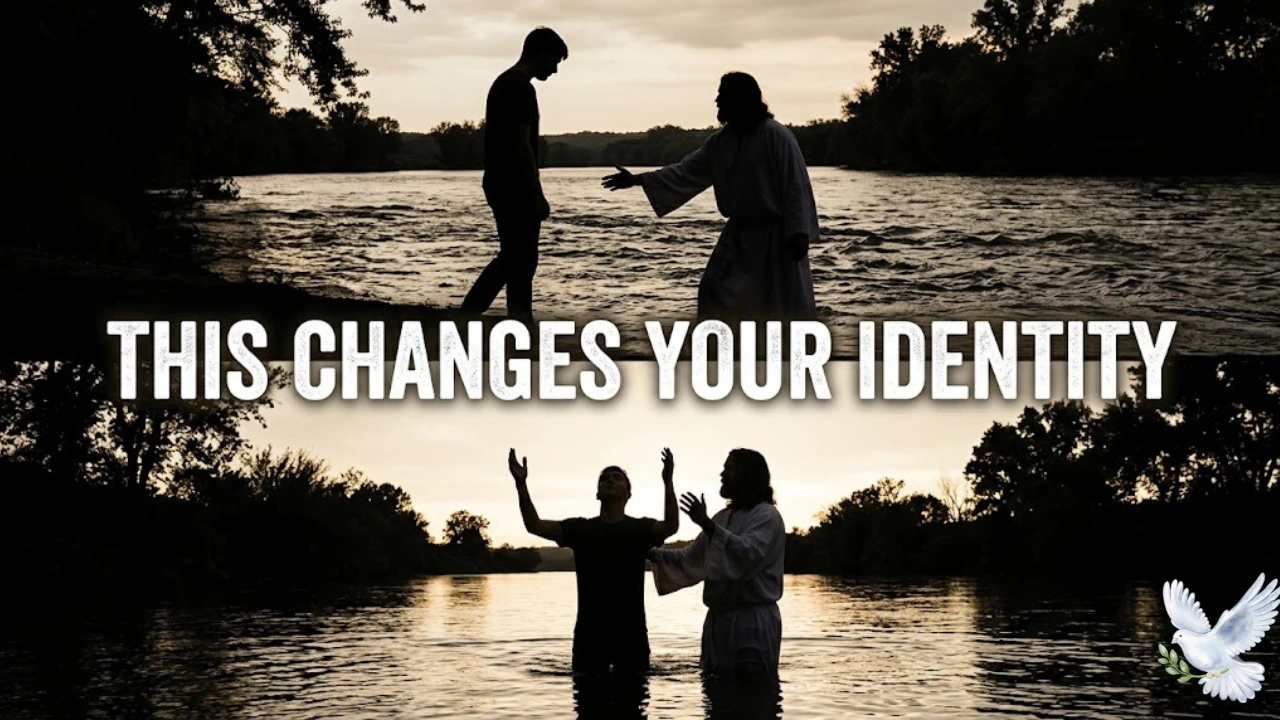
Baptism is often described as a picture of death and resurrection. When a person goes into the water, it symbolizes leaving behind the old life. When they come out, it represents new life in Christ.
This imagery connects deeply with the message of salvation. It reflects the idea that a person is not just forgiven, but transformed. A new identity is given and a new direction begins.
This transformation is not always instant in behaviour, but it is real in purpose. Baptism captures that turning point in a visible and memorable way.
Because of this, baptism is more than a symbol. It is a declaration that a new life has begun, rooted in faith and guided by God.
Different Understandings of Baptism
Christians agree on the importance of baptism, but they do not all agree on how it relates to salvation.
Some traditions teach that baptism is a means through which God gives grace. In this view, baptism is closely tied to salvation itself and plays a direct role in it.
Other traditions emphasize that salvation comes through faith alone. In this perspective, baptism is important, but it follows salvation rather than causing it.
Despite these differences, both views recognize that baptism is not meaningless. It holds spiritual significance and reflects a believer’s response to God.
Understanding these perspectives helps explain why the question continues to be discussed, while also showing the shared value placed on baptism.
Why Baptism Still Matters Today
In today’s world, it can be easy to treat baptism as a tradition or a one-time event without deeper reflection. However, its meaning remains just as important as it was in the early church.
Baptism is a public declaration. It is a moment where a person openly expresses their faith and commitment to follow Christ. This can be a powerful step, especially in a world where faith is often kept private.
It also serves as a reminder. Even long after the moment of baptism, it points back to the beginning of a believer’s journey and the transformation that took place.
In this way, baptism continues to shape identity, strengthen faith and connect believers to a larger community.
What If Not Baptized?
This question often brings concern and curiosity. If baptism is important, what happens if someone believes but is not baptized?
Different Christian traditions offer different answers. Some emphasize the necessity of baptism, while others focus on the sufficiency of faith in Christ.
However, most agree on one key point: baptism should not be neglected. If someone has the opportunity to be baptized and chooses not to, it raises questions about obedience and willingness to follow God.
Baptism is not about achieving perfection. It is about responding to God with sincerity. It reflects a heart that desires to follow Him fully.
Faith and Baptism
Faith and baptism are deeply connected, but they serve different roles. Faith is the foundation of salvation. It is through faith that a person is made right with God.
Baptism follows as an outward expression of that faith. It completes the picture by making visible what has already happened internally.
Separating the two too much can create confusion. Faith without response can feel incomplete, while focusing only on the act of baptism can miss the importance of belief.
When understood together, they form a balanced and meaningful expression of the Christian life.
Step That Reflects Changed Life
At its core, baptism is about transformation. It reflects a life that has been touched by God and is now moving in a new direction.
It is not just about a moment in water, but about what that moment represents. It shows trust, commitment and a willingness to follow God.
This is why baptism continues to be considered important. It is a visible step that points to a deeper reality a life changed by grace.
Continue Growing in Biblical Understanding
If this topic helped you reflect more deeply, here are some meaningful topics to explore next:
- What Is Baptism According to the Bible? Full Guide for Christians
- Why Did Jesus Command Baptism?
- How Does Baptism Affect Identity Spiritually?
Frequently Asked Questions
Is baptism required to be saved?
Different Christian views exist, but most agree salvation comes through faith, while baptism is an important response.
What if someone refuses baptism?
It may reflect a lack of willingness to obey God’s instruction.
Can someone be saved without baptism?
Many believe faith in Christ saves, but baptism should follow as an act of obedience.
Does baptism wash away sins?
Some traditions teach this, while others believe it symbolizes forgiveness already received through faith.
What does baptism symbolize in Christianity?
It symbolizes cleansing, new life and a believer’s identification with Christ.

2 thoughts on “Why Is Baptism Considered Important for Salvation?”