

Sacraments can feel complicated when they are explained only through tradition, church language or formal teaching. For many people they seem distant, like something that belongs only inside worship services. That is often where confusion begins.
Everything becomes clearer when we begin with Jesus Himself. His life was not built on abstract ideas alone. He revealed truth through actions, moments and simple experiences people could understand. He taught with words, but He also taught through what people could see and receive.
When we look closely, sacraments are not separate from His life. They grow out of it. They reflect how He revealed grace, called people to respond and showed what it truly means to follow God in a lived and practical way.
Simple Bible Connections
| Theme | Bible Passage | Focus |
|---|---|---|
| Baptism | Matthew 3:13–17 | Jesus begins with a visible act |
| Communion | Luke 22:19 | Jesus gives meaning to bread and wine |
| Service | John 13:14–15 | Jesus shows faith through action |
| Healing | Mark 6:13 | Jesus uses touch and care |
| Sending | Matthew 28:19–20 | Jesus leaves a pattern to follow |
These passages reveal a clear pattern. Jesus did not keep faith hidden within words alone. He expressed it through actions that people could see, experience, remember and carry forward.
Each moment held purpose. Together, they show how faith was lived out in real time, not only spoken about or explained.
1. Jesus Made Grace Visible
Jesus did not speak about grace as a distant idea. He showed it in ways people could recognize and experience. When He forgave sins, welcomed the rejected and healed the broken, grace became something real.
People did not need to imagine what God’s mercy looked like. They saw it in front of them. A person who felt unworthy found acceptance and someone who was suffering found restoration.
These encounters touched real human need. Jesus met people in their weakness, shame, sickness and hunger. He did not treat grace as a theory. He brought it close to everyday life.
In the same spirit, the life of faith still includes moments where grace is received, not just understood. These moments help keep the heart aware that God is not distant, but present and active.
2. Jesus Used Ordinary Things
One of the most striking parts of Jesus’ life is how often He used simple, everyday things. Water, bread, wine, touch and shared meals were familiar parts of life. Yet in His hands, they carried deeper meaning.
At His baptism, water pointed to obedience, identity and the beginning of His public ministry. At the Last Supper, bread and wine pointed to sacrifice, remembrance and connection with Him.
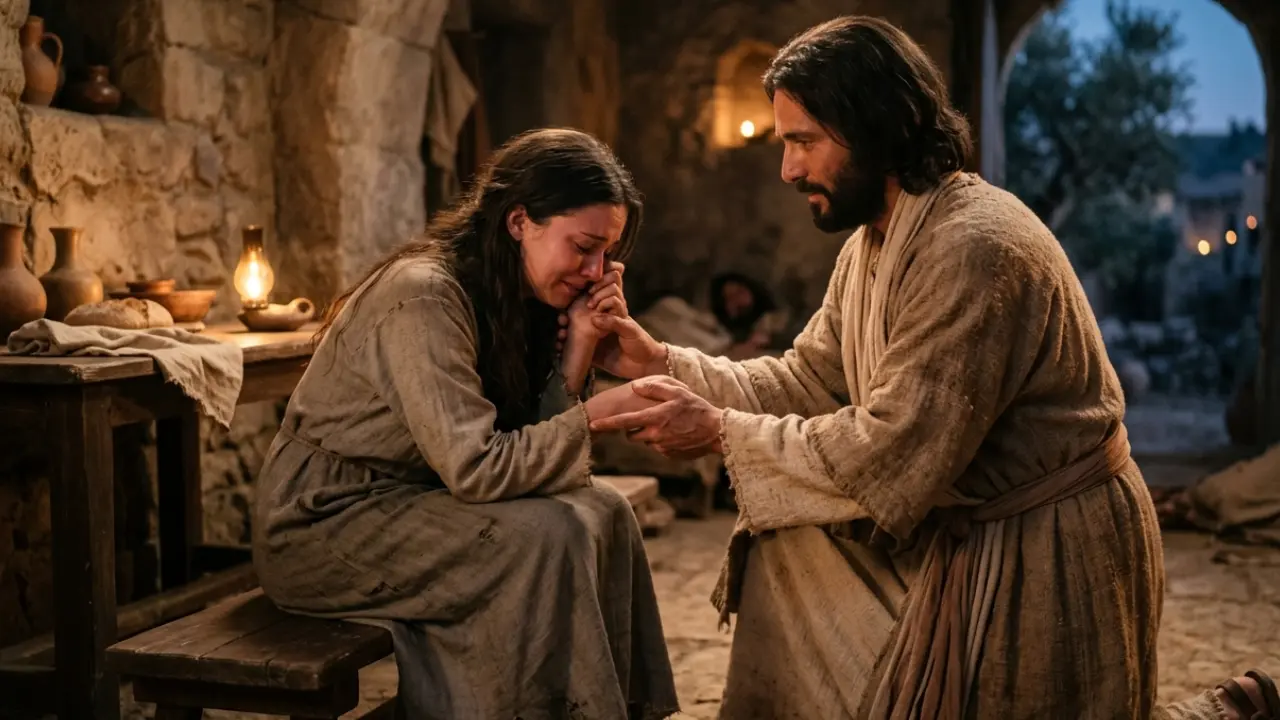
Even in healing, a simple touch became a sign of care and restoration. Jesus did not rely on dramatic displays. Often, He worked through what was already present.
This reveals something important about how God works. The ordinary is not overlooked. It becomes meaningful when it is connected to His presence and purpose.
Because of this, faith is not removed from daily life. It is woven into it. Simple things become reminders that God is near and working in ways that are easy to miss.
3. Jesus Connected Faith with Action
Jesus never treated faith as something that stays hidden inside a person. He called people to believe, but He also called them to respond. Faith was always connected to movement, obedience and visible change.
People followed Him, left old ways behind, and began new lives. They listened, served, received, repented and went where He sent them. Their faith could be seen in the way they lived.
This connection shows that faith is not passive. It shapes how a person speaks, forgives, serves and responds to God each day.
In the same way, the Christian life includes actions that express what is believed. Faith becomes something practiced, not only something held internally.
This keeps belief from becoming distant. It brings it into daily life, where it can grow, be shared and take root over time.
4. Jesus Gave Meaning to Holy Moments
There were moments in the life of Jesus that carried deep spiritual weight. His baptism, His healing works, the Last Supper and the sending of His disciples all revealed something important about God’s work.
These were not ordinary events. They were moments filled with purpose. They helped people understand grace, sacrifice, obedience, mercy and mission in ways that stayed with them.
The Last Supper is a clear example. Jesus took a simple meal and filled it with meaning. Bread and wine became connected to His body and His coming sacrifice.
His baptism also carried deep significance. It marked a beginning and showed His obedience to the Father in a way people could witness.
Moments like these shape memory and understanding. They create space to pause, reflect and respond to what God is doing.
Even now, such moments help bring important truths back into focus. They slow the pace of life and draw attention to what truly matters.
Keep Going Deeper
If you want to understand sacraments more clearly and see how they connect to everyday faith, these guides will help you take the next step:
- Read The 7 Sacraments Explained Simply and Clearly to get a full and simple overview of each sacrament and what it means
- Explore What Does the Bible Really Say About Sacraments to see how Scripture builds the foundation behind these practices
5. Jesus Left a Way to Follow
Jesus did not only live in a meaningful way. He also gave clear instruction to His followers. He showed them what to continue after He was gone.
He commanded baptism as part of making disciples. He told them to remember Him through the breaking of bread. These actions were meant to continue, not fade away.
The early Church followed this pattern. They baptized new believers, shared meals, prayed together and lived out their faith in ways shaped by His example.
They did not create something separate from His life. They continued what He began, allowing His way to shape their community and worship.
Because of this, the path of faith is not left undefined. It has form, rhythm and shared expression that connects believers across time.
Why This Still Matters Today
It is easy to think of these practices as something tied only to the past. Yet their meaning continues to shape how believers live their faith today.
In a world where faith can feel distant, these moments bring it back into real experience. They make spiritual truth something that can be seen, shared, and remembered.
They also provide stability. Faith is not left only to changing emotions or personal feelings. There are steady points that draw attention back to Christ again and again.
They also remind people that faith is not meant to be lived alone. It is shared within a community that gathers, remembers and responds together.
In a distracted world, these moments call the heart back. They bring focus, depth and a sense of connection that is easy to lose.
See Them Through Jesus
Sacraments become clear when they are seen through the life of Jesus. They are not empty rituals or distant traditions. They grow out of how He lived, taught, healed, served and revealed God’s grace.
He made grace visible. He used ordinary things. He connected faith with action. He gave meaning to holy moments. He left a path for His people to follow.
When understood this way, they become gifts that point back to Him. They help faith remain grounded, lived and shaped by His presence.
Everything begins with Him and everything leads back to Him.

1 thought on “5 Clear Purposes of Sacraments in the Life of Jesus”