
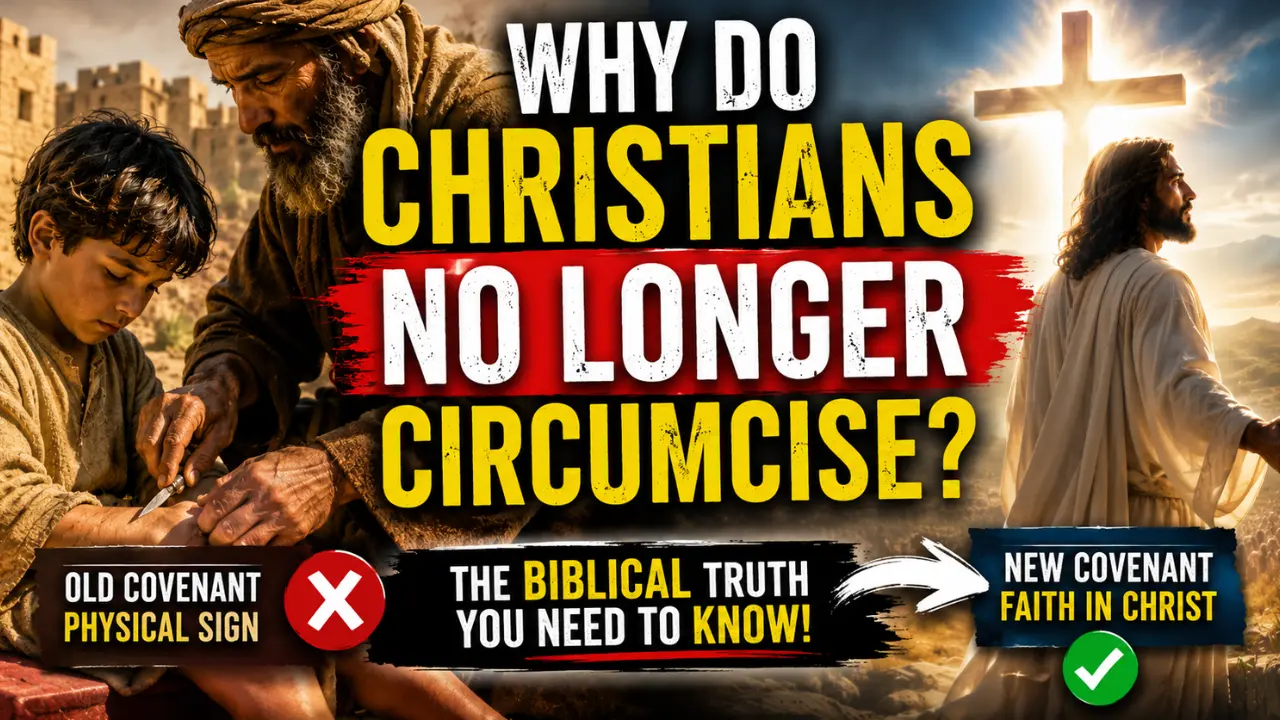

Circumcision began as a covenant sign in Genesis 17, when God gave it to Abraham and his male descendants. It marked Abraham’s family as the covenant people through whom God’s promises would continue.
For Israel, circumcision was not a small cultural custom. It was tied to covenant identity, obedience, belonging and the physical mark of being part of Abraham’s descendants. Under the Old Covenant, circumcision mattered because God had commanded it as a sign for Israel.
This is why the question became so serious in the early church. If Gentiles were now coming to faith in Israel’s Messiah, did they also need to receive Israel’s covenant sign?
Also Read: Uncircumcised Lips Meaning in the Bible
The Question Changed After Jesus Came
After Jesus’ death and resurrection, the Gospel began spreading beyond Jewish communities. Gentiles believed in Christ, received the Holy Spirit, and joined the people of God without first becoming Jews.
That created one of the earliest major questions in Christianity:
Did Gentile believers need circumcision to belong to Christ?
Some argued yes. They believed Gentile converts needed to be circumcised and keep the Law of Moses. But the apostles recognized that the coming of Christ had changed the covenant situation.
The issue was not whether circumcision had once mattered. It had. The issue was whether circumcision remained the required sign of belonging under the New Covenant.
The Jerusalem Council in Acts 15
Acts 15 is the major turning point. Leaders gathered in Jerusalem to decide whether Gentile Christians had to be circumcised and keep the Law of Moses in order to be saved.
The apostles concluded that Gentile believers did not need circumcision to belong to Christ. Salvation was not placed under the requirement of the old covenant sign. Gentiles were accepted through faith in Jesus, not by becoming circumcised members of Israel’s covenant system.
This decision was historic. It clarified that Christianity was not simply asking Gentiles to become Jews first. In Christ, Gentiles could belong to God’s people through faith.
Paul’s Teaching About Circumcision
Paul strongly opposed making circumcision necessary for Gentile Christians. His concern was not with Jewish identity itself but with turning circumcision into a requirement for salvation or full acceptance before God.
In Galatians, Paul argues forcefully that righteousness does not come through the Law but through faith in Christ. If circumcision were required for Gentiles as a condition of belonging, then faith in Christ would be treated as insufficient.
For Paul, this was not a minor ritual question. It touched the heart of the Gospel. Christ, not circumcision, defines the people of God under the New Covenant.
Christians Did Not Completely Abandon Circumcision
It is important to say this carefully. Christians did not necessarily stop circumcising in every place or every family. Jewish believers could continue circumcision as part of Jewish identity, family practice or cultural life.
What changed was its religious necessity.
Circumcision was no longer required for salvation, no longer required for Gentile believers and no longer the defining covenant marker of God’s people in Christ.
That is why some Christians today may still circumcise for cultural, family or medical reasons. But Christianity does not treat it as a command necessary for being saved or belonging to God.
Also Read: What Do Circumcised and Uncircumcised Mean in the Bible?
The New Testament Emphasizes the Heart
The New Testament shifts the focus from outward circumcision as the covenant requirement to inward transformation through faith in Christ.
Paul speaks about circumcision of the heart to show that belonging to God is not merely about an external mark. What matters is the inward work of God, faith, repentance, and life in the Spirit.
This idea did not appear out of nowhere. The Old Testament itself had already spoken about the need for the heart to be changed, not merely the body marked. The New Testament brings that theme into sharper focus through Christ.
For Christians, the true mark of belonging is not physical circumcision but union with Christ, faith, and the inward work of God.
Why This Was Such a Major Issue
Circumcision had marked Jewish covenant identity for centuries. Removing it as a requirement for Gentile believers was not a small adjustment. It changed how the early church understood the people of God after Christ.
The debate touched major questions:
- How are people saved?
- Must Gentiles become Jews to follow Jesus?
- What role does the Law of Moses have after Christ?
- What marks someone as belonging to God’s people?
Acts 15 and Paul’s letters answer by placing Christ at the center. Gentiles are not brought in through circumcision but through faith in Jesus.
Christians and Circumcision Today
Most Christians today do not practice circumcision as a religious requirement. A person may be circumcised or uncircumcised without that determining salvation or standing before God.
This does not mean the Old Testament sign was meaningless. It means its covenant role changed after Christ. Circumcision belonged to the Abrahamic and Israelite covenant structure but Christian identity is now defined by faith in Christ and life under the New Covenant.
Why Do Christians No Longer Circumcise?
Christians no longer circumcise as a religious requirement because the New Testament teaches that belonging to God’s people is now centred on faith in Jesus Christ, not the physical sign of circumcision.
The early church settled this question in Acts 15 and Paul’s letters strongly affirm that Gentile believers do not need circumcision to be saved or fully accepted by God. Circumcision once marked Israel under the Old Covenant but under the New Covenant, Christ Himself is the centre of Christian identity.

1 thought on “Why Do Christians No Longer Circumcise?”