
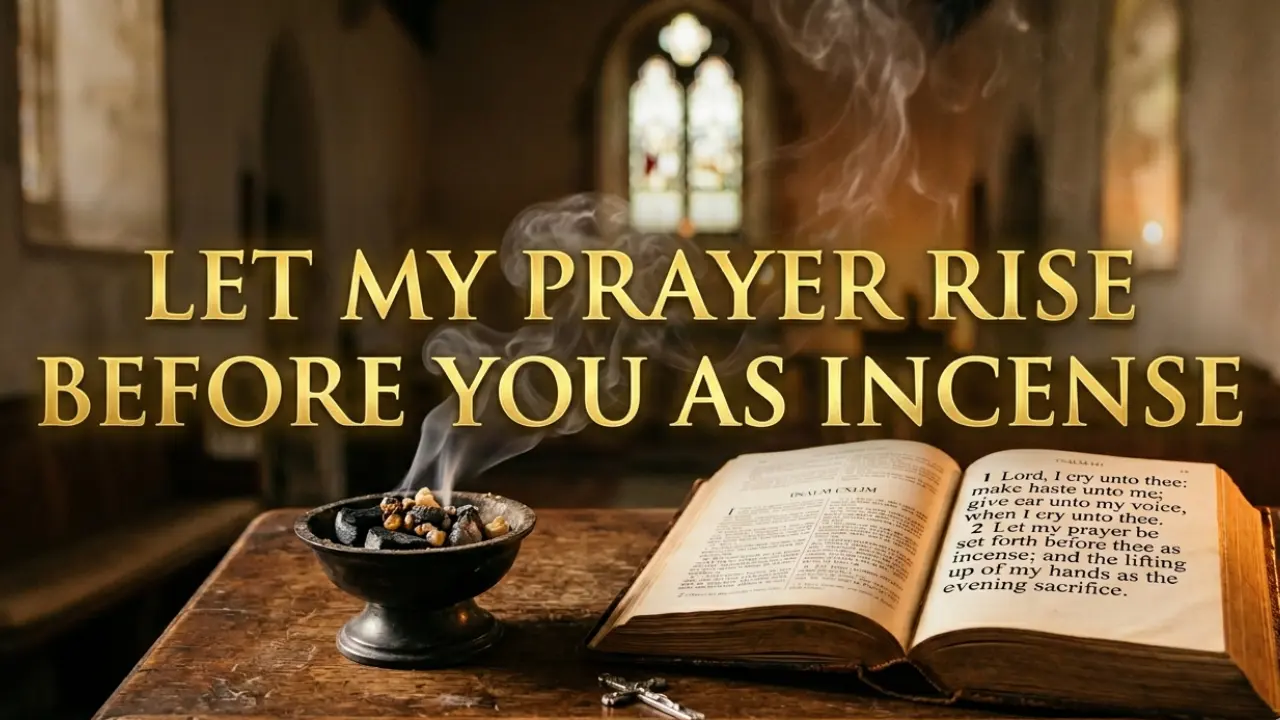

Frankincense is one of the most meaningful substances mentioned in Scripture, known for its rich aroma and sacred use in worship. In biblical times, it was not treated as something ordinary. It was carefully prepared, set apart and used in moments that reflected deep reverence for God.
From temple offerings to the gifts presented at the birth of Jesus, frankincense carries a strong spiritual significance. It reminds believers that God often uses physical elements to reveal deeper truths about worship, prayer and surrender.
1. Symbol of Worship
In the Old Testament, frankincense held a deeply sacred role in worship. It was not used casually or for everyday purposes, but was carefully prepared and offered before God as part of holy incense. Its fragrance rising in the temple symbolized honour, devotion and a heart fully directed toward the Lord.
Exodus 30:34-38 makes it clear that this blend was set apart. It was considered holy and was not to be replicated for personal use. This distinction highlights an important truth: worship is not something ordinary. It is meant to be intentional, set apart and centered on God alone.
Frankincense, in this sense, becomes more than a physical element. It reflects the attitude with which believers are called to approach God. Worship is not about habit or routine, but about reverence and awareness of who God is.
This teaches believers to:
- Approach God with reverence, not routine
- Value worship as a sacred and meaningful act
- Give God the honour and attention He deserves
- Set aside distractions and come with a focused heart
In daily life, it can be easy for worship to become familiar or rushed. However, the symbolism of frankincense calls for something deeper. It invites believers to slow down, to be present and to recognize the holiness of the moment.
Worship is not only expressed through songs or outward practices, but through the posture of the heart. A sincere, humble and attentive heart is what truly honours God. Just as frankincense was carefully prepared and offered, believers are encouraged to bring their best, not out of obligation, but out of genuine love and reverence.
2. Represents Prayer Rising to God
The rising fragrance of frankincense is often seen as a powerful symbol of prayers ascending to God. As the incense burns, the smoke gently rises upward, creating a visual reminder of communication between heaven and earth. It reflects the idea that prayer is not confined to words alone, but is an offering that reaches God’s presence.
Psalm 141:2 says, “Let my prayer be set before You as incense,” revealing that prayer is both pleasing and meaningful to God. It is not measured by length or eloquence, but by sincerity and faith. Just as the fragrance of incense fills the space, prayer carries a spiritual significance that goes beyond what is seen.
At times, prayer may feel quiet or even unanswered. However, this symbolism reminds believers that no prayer is wasted. Every word spoken in faith rises to God, even when there is no immediate response. Trust is built in these moments, where faith continues without visible results.
Spiritual application:
- Prayer is valuable, even when it feels simple or repetitive
- Consistency in prayer strengthens relationship with God over time
- God listens carefully, even when answers are delayed
- Quiet, unseen prayers still carry deep spiritual impact
This understanding encourages a steady and faithful prayer life. Rather than relying on feelings or immediate outcomes, believers are invited to pray with trust, knowing that God receives every prayer with attention and care.
3. Points to the Holiness of God
Frankincense was used in sacred settings, often associated with offerings that were set apart for God. Its use highlighted purity and holiness.
Leviticus 2:1-2 describes offerings that included frankincense, symbolizing something dedicated fully to God. It was not common or ordinary, but something reserved for holy purposes.
This reflects the nature of God Himself. He is holy and He calls His people to live with a sense of spiritual separation from what is unclean.
When believers understand this, it shapes how they live daily. Holiness becomes not just a concept, but a lifestyle marked by intentional choices.
4. Foreshadows Christ’s Divine Role
Frankincense appears again in the New Testament at a deeply significant moment, when it is presented to Jesus by the wise men. This was not a random or ordinary gift. It carried spiritual meaning that pointed beyond the moment itself.
Matthew 2:11 records how gold, frankincense, and myrrh were offered to the child Jesus. Each gift reflected an aspect of His identity. Frankincense, often used in worship, pointed to His divine nature and His role as one who would stand between God and humanity.
This moment reveals that even from the beginning of His earthly life, Jesus was recognized as more than a child. He was worthy of honour, reverence and worship. The use of frankincense connects Him to the sacred practices of the Old Testament, where incense symbolized approaching God.
This reveals important truths:
- Jesus is worthy of worship, not only as Savior but as Lord
- He stands as the bridge between God and humanity
- His role is both sacred and eternal
- He fullfills what earlier symbols and practices pointed toward
This connection between Old Testament symbolism and New Testament fullfillment shows the consistency of God’s plan. What was once expressed through offerings and rituals is now fulfilled in Christ Himself.
For believers, this deepens understanding and faith. It is a reminder that Jesus is central to worship and through Him, access to God is made possible.
5. Encourages a Life of Sacrifice
Frankincense was not simply displayed, it was burned. This act is deeply symbolic. Something valuable was placed on the altar and completely given, producing a fragrance that rose upward. It represents surrender, where nothing is held back and everything is offered to God.
Romans 12:1 calls believers to present their lives as living sacrifices, holy and pleasing to God. This shifts the idea of sacrifice from a one-time act to a daily lifestyle. Just as incense was continually offered, surrender is not occasional. It is ongoing and intentional.
There is also a cost involved. Frankincense was precious and offering it required willingness to give up something of value. In the same way, surrender in the Christian life often involves releasing comfort, control or personal plans in order to follow God more fully.
What surrender looks like in daily life:
- Letting go of personal control and trusting God’s direction
- Offering time, energy and priorities with purpose
- Choosing obedience even when it feels difficult or unclear
- Remaining faithful in both seen and unseen moments
Surrender is not always easy, but it leads to a deeper and more meaningful relationship with God. It creates space for His will to take priority over personal desires.
Just as the fragrance of frankincense rises when it is burned a surrendered life becomes something pleasing before God. It reflects trust, devotion and a willingness to live fully for Him, even when the process requires sacrifice.
For Further Reading Articles
- Biblical Oils vs Modern Essential Oils: What Is the Difference?
- Biblical Oils Explained: Types, Meanings, Uses and Historical Context
- 7 Oils Mentioned in the Bible and Their Spiritual Symbolism
Frequently Asked Questions
What are the biblical spiritual benefits of frankincense?
Frankincense symbolizes worship, prayer, holiness, Christ’s divinity and a life of surrender according to biblical teachings.
What does frankincense represent in the Bible?
It represents reverence, prayer rising to God and sacred devotion in both Old and New Testament contexts.
Why was frankincense used in biblical worship?
It was used as holy incense to honour God and create a sacred atmosphere of worship and reverence.
What is the spiritual meaning of frankincense in Christianity?
It points to worship, holiness and Christ’s divine role as mediator between God and humanity.
How can frankincense relate to daily Christian life?
It serves as a reminder to live with reverence, consistent prayer and full surrender to God.
