
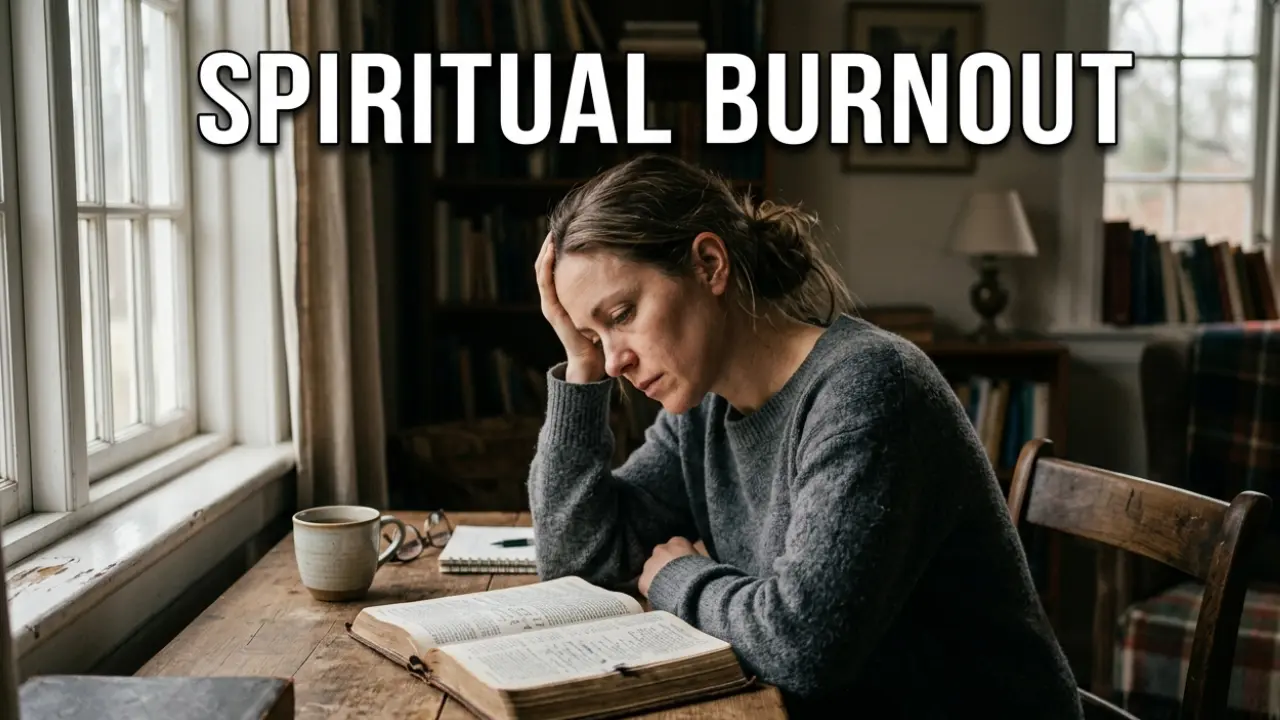

There is a kind of exhaustion that sleep does not fix. It hides beneath routines, responsibilities, emotional pressure and even moments that once felt deeply meaningful. Many people assume burnout only belongs to careers, productivity or mental stress but spiritual burnout develops far more quietly. It often appears while someone is still functioning normally on the outside.
You may continue praying, journaling, attending church, meditating, reading Scripture or trying to maintain inner discipline while simultaneously feeling emotionally disconnected from all of it. That inner disconnect can become confusing because outward activity continues even while spiritual energy slowly fades underneath.
The difficult part is that spiritual burnout rarely announces itself dramatically. Instead, it gradually drains clarity, peace, emotional resilience, motivation and joy over time. Practices that once felt grounding begin to feel heavy or emotionally distant.
In 2026, conversations around mental health and emotional fatigue have become far more common, yet spiritual exhaustion remains deeply misunderstood. Many people quietly blame themselves for losing motivation or feeling distant from spiritual practices that once brought comfort and peace. In reality, spiritual burnout often grows from prolonged emotional overload, unresolved grief, constant psychological pressure, disappointment, unrealistic expectations or carrying emotional weight for too long without rest.
QUICK OVERVIEW
| Sign | What It Often Reflects |
|---|---|
| Emotional disconnection | Inner exhaustion |
| Constant fatigue | Emotional overload |
| Increased overwhelm | Reduced resilience |
| Spiritual numbness | Emotional depletion |
| Loss of joy | Quiet burnout growth |
| Guilt and shame | Internal pressure |
| Need for silence | Desire for restoration |
Your Spiritual Life Feels Heavy
One of the earliest signs of spiritual burnout is when practices that once created peace begin feeling emotionally heavy. Activities that previously offered grounding, clarity or comfort start resembling tasks on a checklist rather than experiences of connection.
This transition rarely happens suddenly. Most people continue their routines while quietly feeling disconnected from them internally.
Emotional Connection Fades
Prayer becomes mechanical. Meditation feels empty. Reflection turns into forced self-correction instead of honest awareness.
This does not necessarily mean your beliefs have disappeared. Often, it means your emotional system is exhausted. When the nervous system remains under stress for long periods, even meaningful experiences can start feeling emotionally muted.
Many people mistake this stage for personal failure when it is actually a signal that [spiritual exhaustion needs healing — How to Recover From Spiritual Burnout Naturally].
Guilt Replaces Reflection
Another warning sign is the growing sense of guilt attached to spiritual discipline.
Instead of feeling supported by your practices, you begin feeling judged by them. You constantly think you are not doing enough, not growing fast enough or not maintaining enough consistency.
Over time, spirituality becomes associated with pressure rather than peace. This pattern often appears alongside [toxic self-pressure in spiritual growth — Why Constant Self-Criticism Blocks Inner Peace].
You Feel Emotionally Numb
Spiritual burnout often creates emotional flattening. Experiences that previously felt meaningful lose their emotional impact, even if intellectually they still matter to you.
This numbness usually develops slowly. At first, it may seem like a temporary dry spell or a lack of focus. Over time, however, the emotional distance becomes harder to ignore.
Inspiration Stops Reaching You
Books, conversations, teachings or reflective moments that once sparked insight may suddenly feel distant or emotionally inaccessible.
You continue consuming motivational or spiritual content while feeling strangely untouched by it. The words still make sense logically, but they no longer create movement internally.
This emotional disconnection is frequently linked to psychological overload. The brain sometimes reduces emotional responsiveness as a protective response to prolonged stress, especially when you have been pushing yourself without enough rest or emotional recovery.
Silence Feels Empty
Healthy solitude usually creates clarity and restoration. During spiritual burnout, silence can begin feeling emotionally hollow.
People often describe this as feeling disconnected from themselves, unable to access calm or emotionally distant from their sense of purpose. Instead of feeling grounded, quiet moments may bring a vague sense of absence, restlessness or inner distance.
Unfortunately, many individuals respond by forcing more spiritual activity onto themselves, which often deepens exhaustion instead of resolving it. In these moments, the need is usually not more pressure but [slowing down your inner life gently — Signs You Are Emotionally and Spiritually Drained].
Small Things Trigger You Easily
Spiritual burnout does not always appear as quiet withdrawal. In many cases, it increases emotional sensitivity and reactivity.
When inner exhaustion builds over time, emotional flexibility decreases. Small situations that once felt manageable can suddenly trigger disproportionate frustration, anxiety or emotional fatigue.
Patience Becomes Hard
You may notice yourself becoming irritated more quickly with people, interruptions, opinions or everyday inconveniences.
This does not automatically mean you are becoming emotionally immature or spiritually weak. Burnout reduces emotional capacity. When internal energy reserves become depleted, tolerance naturally decreases as well.
Many people suppress this frustration because they believe spiritual growth should eliminate emotional reactions entirely. That unrealistic expectation often creates even more emotional pressure. Instead of acknowledging exhaustion honestly, they judge themselves for struggling, which can intensify emotional strain even further.
Small Problems Feel Bigger
Tasks that once felt manageable may suddenly feel emotionally heavy.
This is especially common among highly empathetic individuals, caregivers, mentors and people who constantly support others emotionally while neglecting their own recovery needs.
Burnout quietly accumulates when someone spends too much time carrying emotional responsibility without adequate rest. Over time, even minor decisions, conversations or unexpected changes can start feeling mentally and emotionally draining in ways that seem difficult to explain.
You Feel Disconnected From Purpose
A quiet loss of meaning is one of the deepest indicators of spiritual exhaustion.
This does not always appear as dramatic hopelessness. Sometimes it simply feels like moving through life mechanically without the inner clarity that once guided you. Days begin blending together and even meaningful goals may start feeling emotionally distant or difficult to connect with.
Motivation Turns Into Survival
Instead of acting from inspiration, growth or values, daily life begins revolving around basic survival and obligation.
You complete responsibilities because you must, not because you feel emotionally connected to what you are doing.
Over time, this creates a subtle emptiness that many people struggle to explain. Life may continue functioning normally on the outside while internally feeling emotionally flat, disconnected or directionless.
You Question Everything
Burnout can create persistent internal doubt. You may question your beliefs, identity, decisions or emotional worth repeatedly.
Questioning itself is not unhealthy. Reflection often strengthens self-awareness. The problem begins when questioning becomes emotionally draining instead of clarifying.
Spiritual exhaustion removes the emotional stability needed for productive reflection. Instead of leading to insight, constant over analysis can leave people feeling mentally trapped, emotionally uncertain and increasingly disconnected from their own intuition.
Rest No Longer Refreshes You
One of the clearest signs of spiritual burnout is the inability to feel restored even after taking breaks.
You may sleep more, reduce work or spend time alone yet still feel internally exhausted. Physical rest may happen but emotional and mental fatigue continue lingering beneath the surface.
Your Mind Never Slows Down
Many people experiencing burnout struggle with constant mental noise. Their thoughts remain active even during moments intended for recovery.
This prevents genuine restoration because the nervous system never fully relaxes. Even quiet moments can feel mentally crowded, making it difficult to experience calm or emotional reset.
Modern digital overstimulation contributes heavily to this problem. Constant exposure to information, comparison, productivity culture and emotional content overloads the mind continuously. Over time, the brain adapts to staying alert, which can make [deep emotional rest feel impossible — Why Your Mind Never Truly Feels Calm].
People Drain Your Energy
Group discussions, spiritual communities, emotionally intense conversations or mentorship environments may suddenly feel exhausting rather than energizing.
Burnout reduces emotional bandwidth. Even positive interactions begin requiring more psychological energy than the system can comfortably provide.
As a result, some people start withdrawing socially or avoiding spaces they once valued deeply. This withdrawal is often less about losing care for others and more about feeling emotionally unable to keep absorbing additional stimulation or responsibility.
You Begin Pulling Away Emotionally
Spiritual burnout frequently causes people to withdraw quietly from emotional openness.
This isolation is not always physically obvious. Someone can remain socially active while feeling emotionally disconnected internally. They may continue conversations, routines and responsibilities while privately feeling emotionally distant from both themselves and others.
Vulnerability Feels Unsafe
People experiencing burnout often stop sharing honestly about their emotional state.
They fear judgment, disappointment or appearing spiritually weak. As a result, they begin performing emotional stability externally while struggling internally.
This emotional masking increases loneliness because authentic connection becomes limited. Over time, constantly hiding emotional exhaustion can create a growing sense of isolation, even within close relationships or supportive environments.
You Feel Deeply Misunderstood
Burnout can create a deep sense of emotional distance from others, including supportive relationships.
You may feel like nobody fully understands your exhaustion, even when people genuinely care about you.
Because spiritual burnout affects identity, emotional processing, purpose and psychological energy simultaneously, it can become difficult to explain clearly to others. Many people struggle to describe what feels wrong because the exhaustion is emotional and internal rather than outwardly visible.
Your Inner World Feels Heavy
Perhaps the strongest sign of spiritual burnout is the persistent emotional heaviness that quietly follows daily life.
It becomes difficult to feel mentally light, emotionally present or spiritually grounded for extended periods. Even during calm moments, there may be an underlying sense of emotional weight that never fully disappears.
Joy Feels Out of Reach
Moments of happiness may still occur but they fade quickly. A lingering emotional weight often returns soon afterward.
Ignoring this heaviness for too long can eventually contribute to anxiety, chronic stress, emotional detachment or depressive symptoms. What once felt naturally enjoyable may begin requiring significant emotional effort just to experience briefly.
Your Inner Voice Turns Harsh
Spiritual burnout often changes the way people speak to themselves internally.
Instead of compassion, the inner voice becomes dominated by criticism, pressure, disappointment or constant self-monitoring. Small mistakes may feel amplified, while personal needs are dismissed or judged harshly.
A healthier spiritual life is not built on relentless self-punishment. Sustainable inner growth requires honesty, emotional balance, rest and realistic expectations. Over time, genuine healing usually begins not through greater pressure but through learning how to relate to yourself with more patience and emotional care.
Healing Requires Gentleness
Recovery from spiritual burnout is rarely immediate. It begins with recognizing that exhaustion does not make you weak, ungrateful or spiritually inadequate.
In many cases, burnout develops because people ignore their emotional limits for too long while trying to remain endlessly strong, disciplined or available. Over time, constant internal pressure can disconnect people from the very sense of peace or meaning they were trying to preserve.
Emotional Recovery Matters
Mental, emotional, and spiritual health are deeply connected. Chronic emotional overload affects attention, emotional regulation, motivation and overall well-being.
For some individuals, professional mental health support may also be important, especially when burnout overlaps with anxiety, depression, trauma or prolonged emotional distress.
Seeking support should never be viewed as failure. In many situations, honest support and emotional guidance become an important part of rebuilding stability and restoring emotional balance.
Small Habits Help Healing
Recovery usually begins by reducing unnecessary internal pressure.
Simple habits such as slowing down routines, improving sleep quality, spending time in nature, setting emotional boundaries, journaling honestly and reconnecting with supportive people can gradually restore emotional balance.
The goal is not perfection. The goal is rebuilding a healthier relationship with your inner life without turning healing into another exhausting performance.
Frequently Asked Questions
What is spiritual burnout?
It is deep emotional and spiritual exhaustion that gradually drains peace, motivation and inner resilience.
Can spiritually faithful people still burn out?
Yes. Burnout often affects people who carry prolonged emotional pressure while continuing to function outwardly.
Does spiritual burnout mean weak faith?
No. It often reflects exhaustion rather than absence of belief.
Why does spiritual burnout feel confusing?
Because many people continue normal routines externally while feeling emotionally detached internally.
Can burnout affect prayer and worship?
Yes. Spiritual practices may begin feeling emotionally distant or draining.

1 thought on “7 Signs Spiritual Burnout Is Quietly Growing”