
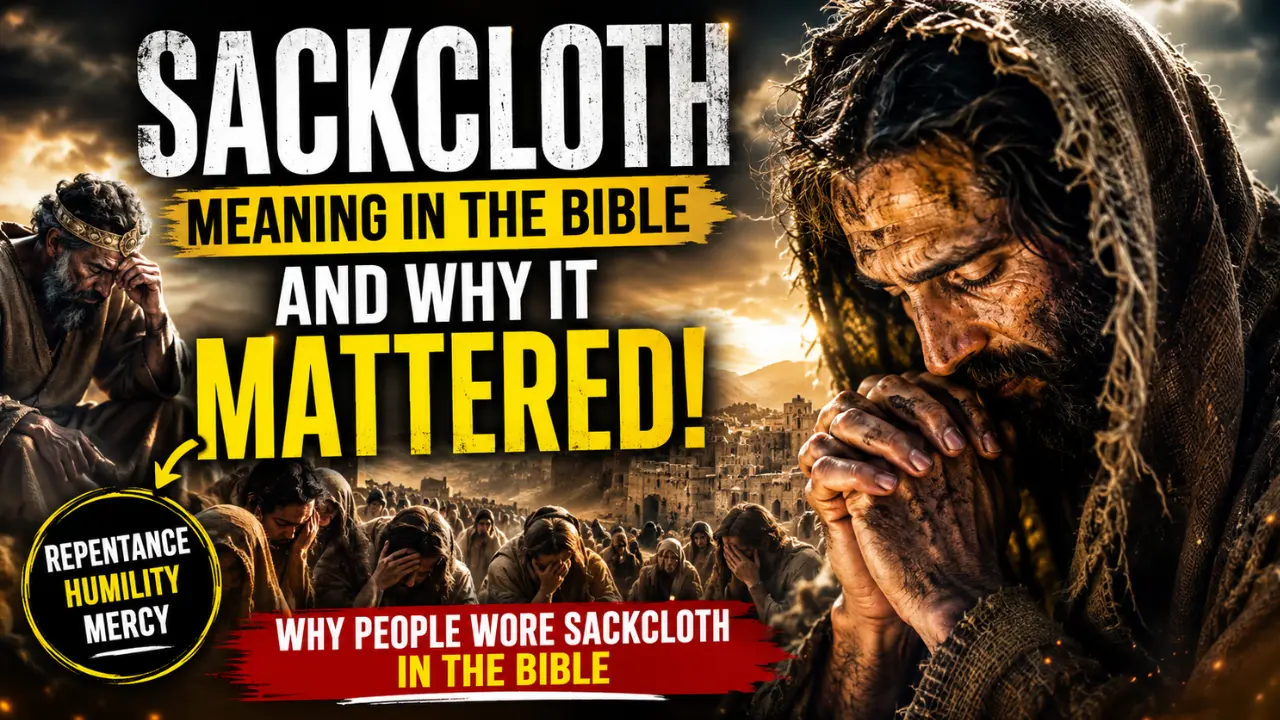

Throughout Scripture, certain physical actions carried deep spiritual meaning. One of the most striking examples is sackcloth. From mourning prophets to repentant kings, sackcloth appears repeatedly throughout the Bible as a visible expression of grief, humility, repentance and desperation before God. It was never fashionable or ceremonial in the modern sense. It represented brokenness.
When people in biblical times faced tragedy, national judgment, personal sin, death, famine or overwhelming sorrow, they often clothed themselves in sackcloth. The rough garment symbolized that comfort, pride and outward appearance no longer mattered. Their hearts were burdened and their clothing reflected that inner condition.
The repeated appearance of sackcloth throughout Scripture reveals an important biblical truth: [genuine humility before God — What Does Humility Mean in the Bible?] often produces visible evidence of repentance and surrender. In many cases, sackcloth became a public acknowledgment that human strength was insufficient and that only God could provide mercy, help or restoration.
What Was Sackcloth?
Sackcloth was a coarse, rough fabric usually made from black goat hair or camel hair. It was thick, uncomfortable, scratchy and unpleasant to wear against the skin. The material was originally used for making sacks that carried grain, food or other goods, which is where the name “sackcloth” comes from.
Unlike the soft garments worn by wealthy people, sackcloth intentionally removed comfort and dignity. People often wore it directly on their skin around the waist or over the entire body. In many biblical accounts, sackcloth was also accompanied by ashes, fasting, weeping and public mourning.
The discomfort of sackcloth reflected the emotional pain of the wearer. It became an outward declaration that the person was grieving, repenting, or seeking mercy from God. The roughness of the garment itself reinforced the seriousness of the moment and discouraged any sense of luxury or self-focus.
Sackcloth as a Sign of Mourning
One of the primary reasons people wore sackcloth in the Bible was mourning. When devastating loss occurred, sackcloth became a physical expression of sorrow.
In the Old Testament, grieving families and leaders often tore their clothes and put on sackcloth after receiving tragic news. This action demonstrated deep emotional anguish and helplessness before God.
After Jacob believed that his son Joseph had been killed, Scripture says he put on sackcloth and mourned for many days. His grief was so overwhelming that ordinary clothing no longer matched the pain he felt inside.
David also wore sackcloth during periods of sorrow and national distress. When tragedy struck Israel, sackcloth symbolized collective mourning and [humility before God’s judgment — What Is God’s Judgment in the Bible?].
The use of sackcloth during mourning reveals how openly people expressed grief in biblical culture. Sorrow was not hidden or minimized. People publicly acknowledged pain, loss and dependence on God. Mourning was viewed as a serious and honest response to suffering rather than something to suppress or quickly move past.
Sackcloth and Repentance
Perhaps the strongest biblical connection to sackcloth is repentance. Again and again, people wore sackcloth when turning away from sin and seeking God’s forgiveness.
Sackcloth represented more than sadness over consequences. It symbolized genuine humility and brokenness before the Lord. The wearer acknowledged personal guilt and recognized the need for [divine mercy — What Is God’s Mercy in the Bible?].
One of the clearest examples appears in the story of Nineveh. After Jonah warned the city about coming judgment, the people responded immediately. From the greatest to the least, they fasted and put on sackcloth. Even the king stepped down from his throne, removed his royal robes, covered himself with sackcloth and sat in ashes.
This dramatic scene revealed complete humility before God. The people recognized that judgment was deserved and sackcloth became the outward sign of inward repentance.
Because of their response, God showed mercy to Nineveh and withheld destruction. The story demonstrates that repentance in Scripture was not casual or superficial. It involved humility, sorrow over sin and a sincere turning toward God. Their actions showed that [true repentance — What Does Repentance Mean in the Bible?] affected both attitude and behaviour.
Why Sackcloth Was Spiritually Significant
The spiritual importance of sackcloth came from what it represented internally. God was never impressed merely by rough clothing. The physical act only mattered when it reflected genuine humility of heart.
Throughout the prophets, God repeatedly warned Israel against outward religious displays without true repentance. Some people wore sackcloth publicly while continuing in rebellion privately. God rejected empty rituals that lacked sincere transformation.
The prophet Joel delivered a powerful message about this issue when he declared:
“Rend your heart, and not your garments.”
This statement revealed the deeper purpose behind sackcloth. The external sign was meant to reflect internal surrender. True repentance involved the heart, not just appearance.
Even so, sackcloth remained important because human beings often express spiritual realities physically. Fasting, kneeling, weeping, praying and wearing sackcloth all became ways people humbled themselves before God with their whole being. These outward acts helped communicate inward sincerity both to God and to the surrounding community.
Prophets and Sackcloth
Several prophets are specifically connected with sackcloth in Scripture. Their clothing often symbolized warning, humility and separation from worldly comfort.
The prophet Elijah was associated with rough garments that reflected a life of simplicity and prophetic authority. John the Baptist later appeared in similar rugged clothing, continuing the prophetic image of [humility and repentance — Why Did John the Baptist Preach Repentance?].
In the book of Revelation, the two witnesses are described as prophesying while clothed in sackcloth. Their appearance symbolizes mourning over sin, warning of judgment and a call for repentance during dark spiritual times.
This prophetic imagery connects sackcloth with spiritual urgency. It represented people who were burdened by sin and deeply aware of humanity’s need for God. The prophets were not merely delivering information. Their appearance and lifestyle often reinforced the seriousness of their message.
Sackcloth and National Crisis
Entire nations sometimes wore sackcloth during moments of disaster or divine judgment. Kings, leaders and citizens collectively humbled themselves when facing military defeat, famine, plague or destruction.
When the Persian official Haman plotted the destruction of the Jewish people in the book of Esther, Mordecai put on sackcloth and ashes and cried out loudly in grief. His public mourning reflected both sorrow and desperate dependence on God.
Similarly, during times of invasion or calamity, Israel often turned to fasting and sackcloth as signs of national repentance. The people understood that their survival depended not merely on military strength but on God’s mercy.
These moments reveal how deeply spiritual life was woven into everyday existence in biblical culture. National emergencies were seen not only as political events but also as spiritual crises requiring humility before God. Leaders and ordinary citizens alike recognized the need to seek divine intervention during overwhelming circumstances.
Ashes and Sackcloth Together
Sackcloth was frequently paired with ashes. People would sit in ashes or place ashes on their heads while wearing sackcloth. Ashes symbolized mortality, grief, devastation and human weakness.
Together, sackcloth and ashes painted a vivid picture of humility. They reminded people that human pride, wealth, status and power could disappear instantly without God’s sustaining grace.
This imagery appears throughout both personal and communal repentance stories in Scripture. The combination represented total surrender before the Lord. It visually communicated mourning, repentance, and the recognition that life itself ultimately depends on God.
Message Behind Sackcloth
Although Christians today do not typically wear sackcloth literally, the spiritual principle behind it remains deeply relevant. Sackcloth represented humility, repentance, sincerity and dependence on God rather than self.
Modern faith culture sometimes emphasizes outward success, appearance and comfort but the symbolism of sackcloth reminds believers that God values [a humble and repentant heart — What Does God Say About a Broken and Contrite Heart?] above external image.
The Bible consistently teaches that God responds to genuine humility. Those who recognized their spiritual need and approached Him with brokenness often experienced mercy, restoration and forgiveness.
Sackcloth ultimately points beyond fabric and ritual to the condition of the human heart. It reminds readers that repentance is not performance. It is the honest recognition that without God’s mercy, humanity stands helpless before Him. The lasting message of sackcloth is that true spiritual transformation begins with humility, honesty and surrender before God.
Frequently Asked Questions
Why did people wear sackcloth in biblical times?
People wore sackcloth to show outwardly that they were broken-hearted or repentant inwardly. It was commonly worn during mourning, prayer, fasting and moments of spiritual repentance.
What was sackcloth made of in the Bible?
Biblical sackcloth was usually made from coarse black goat hair or rough animal hair fabric. It was intentionally uncomfortable and rough against the skin.
What does sackcloth and ashes mean in Scripture?
Sackcloth and ashes represented humility, grief, repentance and human weakness before God. Ashes symbolized mortality and destruction, while sackcloth reflected sorrow and surrender.
Why did the people of Nineveh wear sackcloth?
After Jonah warned Nineveh about God’s coming judgment, the people fasted and wore sackcloth as a sign of repentance. Their humility led God to show mercy to the city.
Did kings wear sackcloth in the Bible?
Yes, several kings wore sackcloth during national crises or repentance. Even powerful rulers humbled themselves before God by removing royal clothing and wearing sackcloth.
