
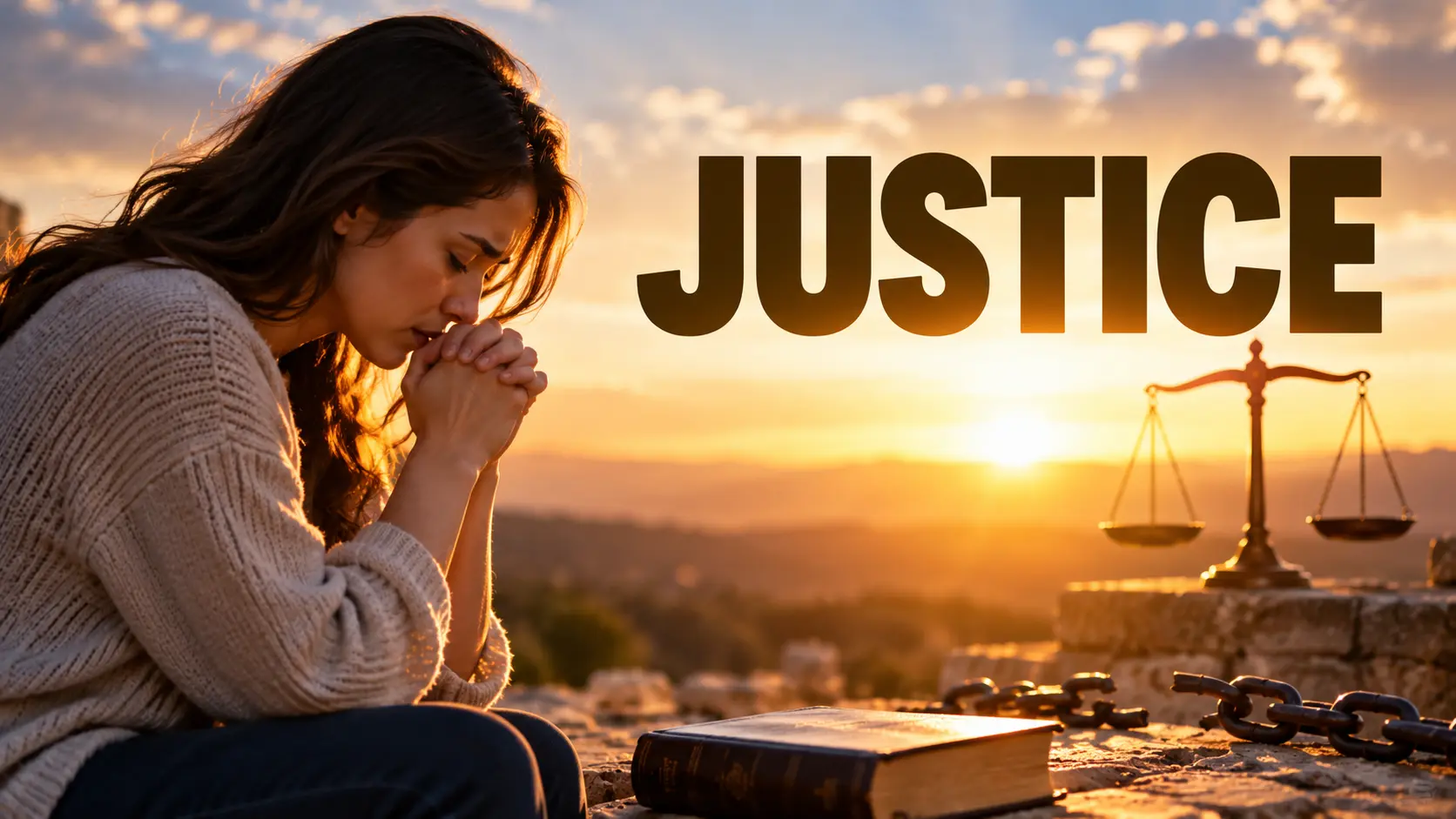

Being treated unfairly can leave you feeling helpless, especially when someone refuses to acknowledge the truth or a decision has caused you undeserved suffering. Whether you are facing false accusations, betrayal, discrimination, or an unfair decision, a prayer for an unjust situation can help you bring your concerns before God while seeking the wisdom and courage to respond appropriately.
You do not have to pretend that everything is fine or that the injustice does not matter. You can ask God for truth, protection, and a fair resolution without allowing anger or revenge to determine your actions.
A Prayer for an Unjust Situation
Heavenly Father, I come before You with a burden that has been weighing heavily on my heart. You know the unfair treatment I have experienced, the circumstances surrounding it, and the things I have struggled to explain to others. Even when my words are misunderstood or my concerns are dismissed, I trust that nothing about this situation is hidden from You.
Lord, I ask You to bring truth and fairness into this matter. Where false accusations have damaged my reputation, help the truth become known. Where decisions have been made without understanding the full circumstances, open the way for those decisions to be reconsidered. Where someone has deliberately caused harm, I ask for appropriate accountability and correction.
Father, You know how deeply this situation has affected me. Sometimes I feel angry because I cannot understand why I have been treated this way, and sometimes I feel discouraged because my efforts to make things right have accomplished so little. Please do not allow these feelings to lead me into bitterness, careless words, or decisions that I will later regret.
Give me the courage to defend what is true without becoming cruel toward those who have wronged me. Help me recognize when I should speak, when I should seek assistance, and when continuing an argument will only cause further harm. If there is something I have misunderstood or a mistake I need to correct, give me the humility to acknowledge it.
Lord, I also ask You to protect what has been placed at risk by this injustice. Whether it involves my relationships, livelihood, opportunities, or peace of mind, guide me toward a fair resolution. Surround me with people who will listen carefully, offer wise counsel, and help me make decisions based on truth rather than fear.
I cannot control every person’s actions or determine when this situation will be resolved, but I can ask for Your guidance in the decisions before me. Strengthen me to remain honest, patient, and courageous while pursuing what is right.
In Jesus’ name, Amen.
A Prayer When Someone Has Falsely Accused You
A false accusation can be especially painful because it forces you to defend something that should never have been questioned. Even when you know the truth, you may worry about how the accusation will affect your reputation, relationships, or future opportunities.
The following prayer focuses on the need for truth to be established without allowing the experience to become a reason for retaliation.
Heavenly Father, You know the accusations that have been made against me, and You understand the facts that others may not know. Please help those involved examine the situation honestly and recognize anything that has been exaggerated, misunderstood, or deliberately misrepresented.
Give me the wisdom to respond with clarity rather than desperation. Help me provide truthful explanations, seek appropriate evidence, and approach those who can help resolve the matter fairly. Protect me from the temptation to spread accusations in return, and give me strength when people are unwilling to listen.
Lord, even if restoring my reputation takes time, help me remain faithful to the truth. Let my words and actions reflect integrity while I continue seeking a just resolution.
In Jesus’ name, Amen.
Proverbs 12:22 teaches that lying lips are an abomination to the Lord, while those who deal truthfully are His delight. This passage reminds us that honesty matters even when dishonesty appears to offer someone an immediate advantage.
Prayer for Unfair Treatment at Work or by Someone in Authority
When someone in authority treats you unfairly, the consequences can extend beyond emotional disappointment. An unjust decision by an employer, supervisor, teacher, or another authority figure may affect your income, education, reputation, or ability to provide for your family.
Such circumstances can make it difficult to know whether to challenge the decision or remain silent because you fear further consequences.
Heavenly Father, I bring before You the unfair decisions and treatment I have experienced from someone who holds authority over an important part of my life. You understand the imbalance of power in this situation and the concerns that make it difficult for me to defend myself.
Please guide those responsible toward honesty, fairness, and a willingness to reconsider what is wrong. Give me the courage to express my concerns respectfully and the wisdom to recognize the proper steps for seeking correction. Protect me from intimidation, retaliation, and decisions made out of fear.
Lord, help me find trustworthy people who can provide guidance and support. If I need to document what has happened, seek professional advice, or approach another authority, give me clarity and strength to act responsibly.
Whatever the outcome, help me preserve my dignity without surrendering my commitment to truth.
In Jesus’ name, Amen.
Seeking God’s help does not require you to ignore workplace misconduct, discrimination, or abuse of authority. Prayer and appropriate practical action can belong together, especially when your safety, livelihood, or basic rights are affected.
A Prayer When the Injustice Continues
Some unfair situations remain unresolved even after repeated conversations, honest explanations, and reasonable attempts to make things right. The person responsible may refuse to acknowledge what happened, or the process of seeking justice may take much longer than expected.
When that happens, the challenge is not only dealing with the original injustice but also living with the uncertainty surrounding its resolution.
Heavenly Father, I have been carrying this situation for longer than I expected, and I am growing tired of waiting for things to change. You know the efforts I have made, the answers I have received, and the disappointment I feel when another day passes without a fair resolution.
Please renew my patience without allowing me to become passive about what is wrong. Help me recognize whether another step is needed or whether I have reached a point where I must release what is beyond my control.
Give me the strength to continue living responsibly, caring for those who depend on me, and finding moments of peace while this matter remains unresolved.
In Jesus’ name, Amen.
What Does the Bible Teach About Praying During Injustice?
The Bible does not require people experiencing injustice to conceal their suffering or pretend that wrongdoing is acceptable. Throughout Scripture, people bring their complaints before God, ask for protection, and seek deliverance from circumstances they cannot resolve alone.
Three biblical passages are particularly relevant when you are struggling with unfair treatment.
Psalm 10 Shows God’s Concern for Those Who Are Oppressed
Psalm 10 describes the suffering caused by people who take advantage of others and believe they will escape accountability. Rather than dismissing the pain of those who have been mistreated, the psalmist openly asks God to intervene.
In Psalm 10:17–18, the writer expresses confidence that God hears the desires of the humble and is concerned about those who have been oppressed. The passage provides a reason to pray honestly about injustice without treating another person’s wrongdoing as insignificant.
If your experience has left you feeling unheard, this Psalm offers language for bringing that concern before God.
Luke 18 Encourages Persistence When Justice Is Delayed
In Luke 18:1–8, Jesus tells the parable of a widow who repeatedly approaches an unjust judge because she wants justice against her adversary. Although the judge initially refuses to help her, the widow continues presenting her request until he eventually responds.
Jesus uses this story to encourage persistent prayer. The contrast is important because God is not being portrayed as an indifferent judge who must be persuaded to care.
The widow’s persistence also demonstrates that seeking justice is not necessarily inconsistent with patience or faith. She does not abandon her request merely because the person with authority refuses to listen.
Romans 12 Explains the Difference Between Justice and Revenge
Romans 12:17–21 warns believers against repaying evil with evil and taking personal revenge. This teaching challenges the desire to hurt another person simply because that person has caused suffering.
However, refusing revenge does not mean refusing accountability. Reporting wrongdoing, establishing boundaries, or seeking a lawful resolution can be appropriate responses to an unjust situation.
David’s experiences also offer an example of how the desire for justice can exist alongside restraint. The article on David’s restraint in Psalm 35 explores how he responded to opposition without allowing retaliation to determine his conduct.
How Can You Seek Justice Without Becoming Consumed by Anger?
Praying about injustice does not mean you must immediately forgive every offense, restore a damaged relationship, or stop seeking a fair outcome. It means allowing your response to be guided by truth and wisdom rather than allowing the actions of another person to determine your character.
One helpful approach is to distinguish between what you know happened, what you believe may have happened, and what you still need to establish. When emotions are intense, assumptions can begin to feel like facts, making it harder to explain your concerns clearly or recognize an appropriate solution.
If the situation involves a serious accusation, harmful conduct, or an important decision, preserve relevant information and consider seeking guidance from someone qualified to help. Depending on the circumstances, that might be a trusted adviser, an appropriate organizational authority, or a legal professional.
You can also ask yourself what a fair resolution would actually require. Sometimes it involves correcting misinformation or receiving an apology, while other situations require restitution, protection, or formal accountability.
Forgiveness should not be confused with allowing someone continued access to harm you. You can work toward freedom from resentment while maintaining appropriate boundaries and protecting yourself from further mistreatment.
When You Feel That God Has Not Answered Your Prayer
An unresolved injustice can leave you wondering whether God has heard you at all. You may have prayed sincerely, attempted to correct what happened, and waited patiently, yet the situation remains much the same.
Scripture encourages believers to continue praying, but it does not promise that every unjust circumstance will be corrected immediately or that every person who causes harm will eventually acknowledge their actions.
You may still need to make difficult decisions, accept that certain relationships cannot presently be restored, or continue through a lengthy process before reaching any resolution. None of these circumstances automatically means that you have prayed incorrectly.
When the situation continues troubling you after the day’s responsibilities are finished, a prayer for the end of the day may help you acknowledge your remaining concerns without spending every evening rehearsing the same painful events.
Seeking peace does not mean declaring the injustice acceptable. It means recognizing that an unresolved situation does not have to occupy every part of your life while you continue taking the steps reasonably available to you.
