
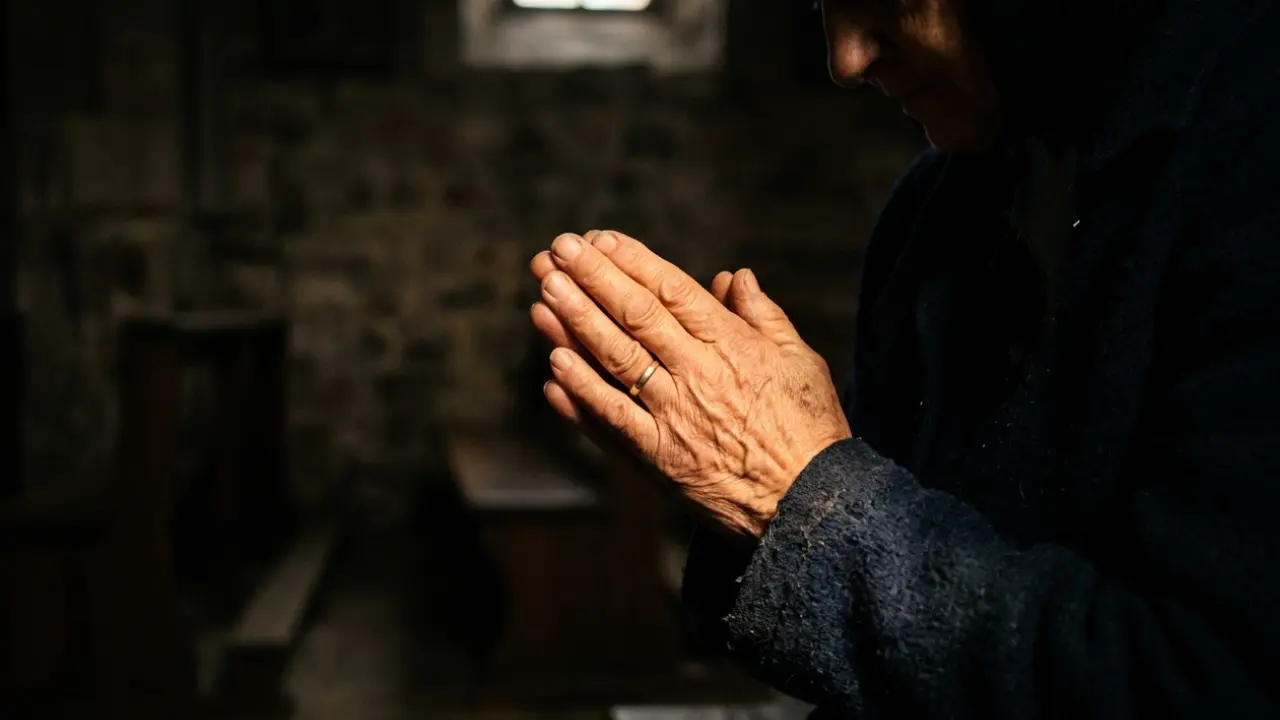

Learning how to reconnect with God begins with an honest return, not an impressive spiritual routine. A Christian can reconnect with God by admitting the distance, confessing known sin, receiving His mercy and rebuilding fellowship through prayer, Scripture and obedience.
James 4:8 says:
“Draw nigh to God, and he will draw nigh to you.”
The surrounding passage also calls people to humility, repentance and cleansed hearts. Drawing near to God is not merely seeking a comforting feeling. It means turning toward Him honestly and becoming willing to leave behind what caused the distance.
This guide addresses Christians who believe in Christ but have drifted, withdrawn or neglected fellowship with God. A person who has never trusted Christ needs reconciliation with God through Jesus, not merely a restored spiritual routine.
Strong emotions do not have to come first. Someone may return while still feeling numb, ashamed, disappointed or uncertain. The first step is to stop hiding and turn toward God.
Can You Return to God After Drifting Away?
Yes. God calls people who have drifted to return with honesty and repentance.
The prodigal son in Luke 15 did not repair his life before returning home. He recognized his condition, acknowledged his sin and turned back toward his father. His return began while he was still weak, ashamed and unable to recover what he had lost.
Christians who feel spiritually distant often think:
- I have ignored God for too long.
- I have repeated the same failure too many times.
- I should fix myself before I pray.
- God must be tired of my apologies.
- I no longer feel spiritual enough to return.
These beliefs create further distance. They make personal failure appear greater than God’s mercy.
Returning does not mean pretending that the drift was harmless. It means bringing it into the light and allowing God to correct what needs to change.
You do not need to wait until you feel worthy. You will never reconnect with God by proving that you deserve to return. Come honestly, receive His correction and take the next faithful step.
Begin With Honesty and Repentance
Many people respond to spiritual distance by creating an intense plan. They promise long prayers, several Bible chapters, fasting and immediate freedom from every bad habit.
Such practices may help, but they cannot replace honesty.
A person may complete an impressive routine while avoiding the actual cause of the distance. Another person may pray for only a few minutes but speak truthfully about resentment, compromise, fear or disappointment.
Begin by saying what is true:
“God, I have become distant. I have avoided You, and I do not want to continue this way. Show me what needs to change.”
If known sin contributed to the distance, confess it specifically. First John 1:9 teaches that God forgives and cleanses those who confess their sins.
Confession agrees with God about what happened. Repentance changes direction.
A sincere response may require an apology, restitution, accountability or a new boundary. Grace does not remove responsibility. It gives the believer courage to face it without hiding.
Do not confuse repentance with self-punishment. Remaining miserable does not pay for sin. Genuine repentance faces the truth, corrects what can be corrected and begins walking differently.
What Caused the Spiritual Distance?
Before rebuilding fellowship with God, identify whether the distance developed through known sin, hidden hurt, distraction, exhaustion or gradual neglect.
The purpose is not prolonged self-accusation. It is to understand what kind of response is needed.
Known sin requires confession and change. Unresolved disappointment requires honest lament. Constant distraction may require a practical boundary. Exhaustion may require rest and support rather than harsher self-judgment.
Someone who cannot identify the cause may need to understand the hidden reasons people drift from faith.
It may also help to identify habits that slowly create distance from God.
Ask God to expose what you have minimized or avoided. Then respond to what becomes clear instead of trying to repair every possible spiritual weakness at once.
What If Hurt or Disappointment Made You Withdraw?
Not every season of spiritual distance begins with deliberate rebellion.
Grief, unanswered prayer, betrayal or painful church experiences can make someone withdraw from God. A person may continue believing in Him while feeling disappointed, confused or emotionally unable to pray.
Pretending that this hurt does not exist will not restore closeness.
The Psalms show believers speaking to God from fear, grief and confusion. Honest lament keeps the relationship open while answers remain incomplete.
Tell God what hurts:
“I do not understand why this happened. I have felt abandoned and I have avoided You because I did not know what to say.”
Pain may explain why someone withdrew, but it should not become permanent resistance to God. Reconnection may begin before every question receives an answer.
PsalmWisdom’s study of what David’s prayers reveal about feeling abandoned by God can help someone bring disappointment into prayer without denying the pain.
How Should You Restart Prayer and Scripture?
Restart with a few honest sentences and one manageable Bible passage.
Prayer after a long absence may feel awkward. That does not make it false. Say what is true:
- “God, I am here.”
- “I have been avoiding You.”
- “Show me what needs to change.”
- “Help me desire fellowship with You again.”
- “Give me strength for the next faithful step.”
Do not force an impressive prayer session. Five focused minutes can be more helpful than planning an hour and repeatedly giving up.
Then choose one short passage and read it slowly. Luke 15, Psalm 51, John 15, Romans 8 and James 4 are helpful places to begin.
Ask:
- What does this passage reveal about God?
- What does it expose in my present condition?
- Is there something to confess?
- Is there an instruction to obey?
- What truth should shape my prayer?
The goal is not to recover every missed Bible-reading day. The goal is to listen, believe and respond.
Choose a simple rhythm that can continue after the first motivated week. Consistency rebuilds fellowship more effectively than an unsustainable burst of activity.
When prayer itself feels empty or repetitive rather than part of a wider spiritual distance, read how to restore sincerity when prayer feels meaningless.
Remove One Continuing Source of Distance
Reconnecting with God may require removing something that continues pulling your attention or obedience away from Him.
Do not begin by trying to change ten habits at once. Identify the strongest continuing source of distance and take one concrete action.
That action may involve:
- Establishing a phone boundary
- Ending a compromising relationship
- Seeking accountability
- Apologizing to someone
- Changing an unhealthy routine
- Removing content that repeatedly weakens conviction
- Making space for quiet prayer and Scripture
Small actions matter when they express sincere repentance.
Adding prayer while protecting the habit that repeatedly creates distance will make restoration harder. Ask what one change would make your desire to return visible in daily life.
For a more detailed examination, read about daily habits that create distance from God.
Do You Need to Reconnect With Christian Community?
Spiritual isolation often deepens spiritual distance.
Some people withdraw from church because of shame. Others leave after hypocrisy, manipulation, conflict or mistreatment. Distance from a harmful environment may be necessary, but permanent isolation can create new spiritual weaknesses.
A trustworthy Christian community can provide prayer, teaching, correction, encouragement and accountability.
Look for a community where Scripture matters, leaders remain accountable and questions can be discussed without manipulation.
Someone harmed by a church may need time, wise counsel and careful discernment before joining another congregation. Reconnecting with Christian community does not require returning immediately to the environment that caused the harm.
Begin with one trustworthy believer if a large gathering feels overwhelming. Tell that person that you have felt spiritually distant and want prayer or support.
You do not need to reveal every detail immediately. The goal is to stop carrying the struggle completely alone.
What If God Still Feels Distant After You Return?
Continue seeking God even when feelings change slowly.
Spiritual closeness is not measured only by emotional intensity. A person may feel little during prayer while still making a sincere and faithful return.
Emotional exhaustion, grief, anxiety and physical strain can also affect how prayer and worship feel. Do not automatically treat every period of numbness as proof that God has rejected you.
It may help to distinguish emotional exhaustion from spiritual dryness.
Focus on what you can do faithfully:
- Continue praying honestly.
- Read a manageable portion of Scripture.
- Obey what God has already made clear.
- Remove known sources of compromise.
- Remain connected to trustworthy believers.
- Seek appropriate help when emotional or physical pressure becomes overwhelming.
Do not chase a dramatic experience as proof that reconnection has happened. Look for quieter signs: greater honesty, renewed conviction, willingness to obey, reduced resistance to Scripture and courage to repair harm.
Feelings may return gradually. Faithfulness can begin before they do.
A Seven-Day Plan to Reconnect With God
Day 1 — Admit the Distance
Pray honestly and read Luke 15:11–24.
Day 2 — Identify What Happened
Name the main source of distance and read Psalm 139:23–24.
Day 3 — Confess and Turn
Confess known sin, decide what must change and read Psalm 51.
Day 4 — Listen Through Scripture
Read one short passage slowly and write one response.
Day 5 — Remove One Obstacle
Change one habit or boundary that continues weakening fellowship.
Day 6 — Speak to Someone Trustworthy
Ask a mature Christian for prayer, wisdom or accountability.
Day 7 — Establish a Sustainable Rhythm
Choose a realistic daily time for prayer and Scripture.
This plan does not earn closeness with God in seven days. It provides a practical path for turning toward Him consistently.
A Prayer for Reconnecting With God
God, I have felt distant from You, and I do not want to continue hiding. Show me what created this distance and give me courage to respond honestly. Forgive the sins I have excused and the truth I have avoided. Heal the hurt and disappointment that I have struggled to bring before You. Help me return without pretending that I am stronger or more faithful than I am. Restore my desire for prayer, Scripture and obedience. Show me which habits need to change and which relationships can support my growth. When I do not feel close to You, help me remain faithful rather than giving up. Teach me to receive Your mercy, accept Your correction and take the next step You place before me. Amen.
Frequently Asked Questions
Can church hurt make someone feel distant from God?
Yes. Harmful church experiences can affect trust, prayer, and fellowship. A wounded person may need time, wise counsel, and a trustworthy Christian community rather than pressure to return to the same harmful environment.
Does feeling distant from God mean I have lost my faith?
Not necessarily. Spiritual feelings can weaken because of neglect, exhaustion, grief, disappointment, or unresolved sin. Examine the cause honestly and take practical steps toward God.
Which Bible passage should I read when I feel far from God?
Luke 15, Psalm 51, James 4, John 15, and Romans 8 are helpful starting points. Read one passage slowly and respond to what it reveals about God and your present condition.
Why do I still feel far from God after praying?
Feelings may take time to change. Exhaustion, grief, disappointment, or spiritual dryness can affect emotions. Continue seeking God without treating emotional intensity as the only evidence of closeness.

2 thoughts on “How to Reconnect With God After Feeling Spiritually Distant”