
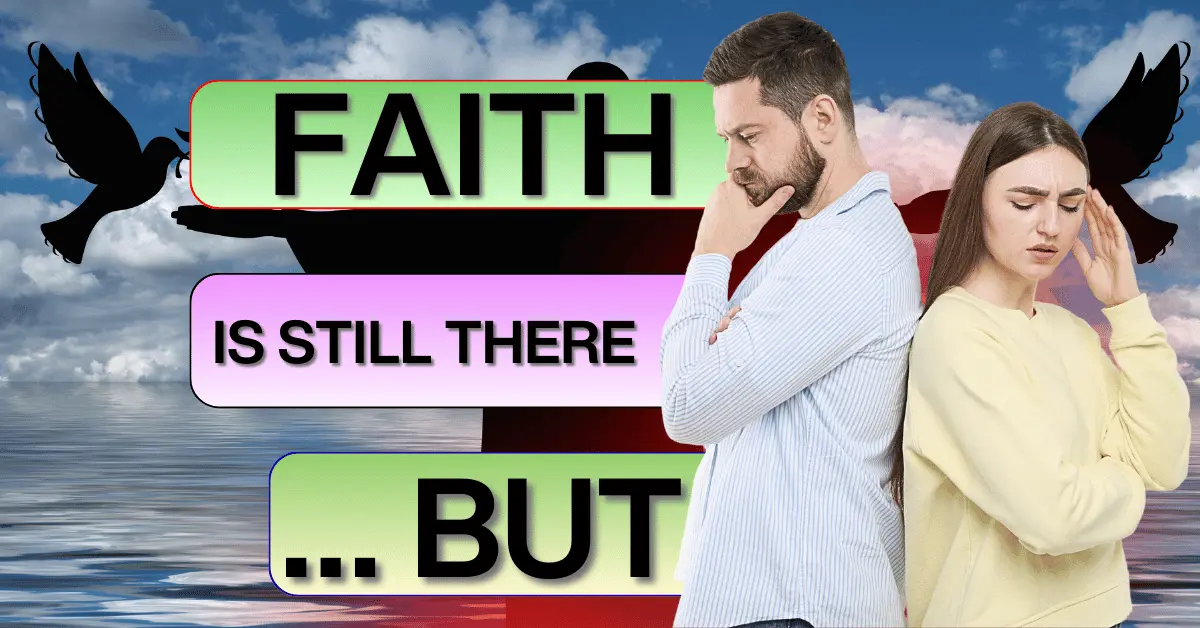

Emotional withdrawal often enters marriage quietly and without obvious warning signs. Conversations become shorter, emotional sharing decreases, and partners begin to function more like roommates than deeply connected companions. In faith-centred marriages, this detachment can be especially confusing because outward commitment, shared beliefs, and spiritual routines may still appear strong while emotional closeness slowly fades beneath the surface.
Understanding how emotional withdrawal affects marriage is essential for protecting both relational intimacy and spiritual unity. Left unaddressed, emotional distance can weaken not only the bond between spouses but also the shared faith that once connected them deeply.
Also Read: Why Christian Couples Drift Emotionally Over Time
Also Read: Why Couples Pray Together Yet Feel Distant
Also Read: He Restores My Soul (Psalm 23:3 Meaning)
Emotional Withdrawal Often Goes Unnoticed
Emotional withdrawal rarely appears suddenly or dramatically. It develops gradually through unmet expectations, unresolved conflict, chronic stress, emotional exhaustion, or repeated disappointment that was never fully processed.
Because the shift happens slowly, couples often adapt without recognizing what is changing. Daily routines replace meaningful connection, and silence takes the place of vulnerability. In faith-centred marriages, spiritual activities may continue outwardly while emotional distance grows quietly underneath.
Detachment Weakens Emotional Safety
Marriage depends on emotional safety, the sense that one can be fully known and still accepted. When one or both partners withdraw emotionally, that safety begins to erode over time.
Without emotional availability, partners may feel unseen, unheard, or emotionally abandoned even while living together. This can create insecurity, resentment, or fear of rejection. Over time, emotional distance often feels more painful and confusing than open disagreement or conflict.
Spiritual Unity Can Be Affected
Faith-centred marriages rely on shared spiritual life, not just shared beliefs or values. Emotional withdrawal can disrupt this unity in subtle but significant ways.
When emotional connection fades, spiritual practices may begin to feel hollow or disconnected. Praying together, worshiping, or discussing matters of faith becomes difficult when hearts are guarded. Emotional intimacy and spiritual intimacy are closely connected, and when one suffers, the other often follows.
Communication Becomes Shallow
Emotional withdrawal often leads to surface-level communication. Conversations become focused on schedules, responsibilities, or logistics rather than feelings, needs, or concerns.
This pattern limits understanding and prevents healing. Without emotional engagement, misunderstandings multiply and unresolved issues remain buried. Over time, silence replaces meaningful dialogue, and opportunities for connection are quietly lost.
Withdrawal Often Masks Deeper Pain
Emotional withdrawal is often a coping response rather than a deliberate rejection of one’s spouse. It can stem from hurt, fear of conflict, feeling overwhelmed, or repeated experiences of emotional disappointment.
Recognizing withdrawal as a sign of deeper pain rather than indifference changes how it is addressed. Compassion becomes possible when withdrawal is understood as self-protection rather than lack of love. This awareness creates space for healing instead of blame.
Faith Can Be Used to Avoid Emotion
In faith-centred marriages, spirituality can sometimes be used to avoid emotional engagement. Quoting Scripture, emphasizing forgiveness, or encouraging prayer without addressing pain can unintentionally deepen detachment.
Faith is meant to support emotional honesty, not replace it. When faith language is used to bypass feelings, emotional withdrawal is reinforced rather than healed. True faith invites both truth and tenderness into the relationship.
Detachment Affects Trust and Intimacy
Emotional withdrawal slowly weakens trust. When partners stop sharing their inner world, intimacy begins to decline even if commitment remains intact.
Trust grows through openness and vulnerability. Withdrawal communicates distance and self-protection, even when unintentional. Over time, intimacy can feel unsafe or inaccessible, leaving both partners feeling alone within the marriage.
Children and Family Feel the Impact
Emotional detachment in marriage rarely stays contained between spouses. Children and family dynamics often reflect the emotional climate of the home.
Even in the absence of visible conflict, children can sense emotional distance between parents. This can affect their sense of security and shape how they understand relationships, communication, and emotional expression.
Faith Invites Honest Engagement
A faith-centered marriage is not one without struggle, but one that faces struggle with honesty and humility. Faith invites truth, responsibility, and willingness to repair what has been damaged.
Addressing emotional withdrawal requires courage, patience, and openness. Faith provides the framework for confession, forgiveness, and growth rather than avoidance or silence. Healing becomes possible when faith is lived relationally, not just spiritually.
Healing Begins With Awareness
Awareness is the first and most important step toward healing emotional withdrawal. Recognizing the pattern allows couples to respond intentionally rather than react defensively.
Small steps toward emotional presence, such as listening, validating feelings, and initiating honest conversations, can rebuild connection over time. Healing does not require immediate resolution, but consistent effort grounded in grace and commitment.
Why Emotional Connection Matters Spiritually
Emotional connection is not optional in a faith-centred marriage. It reflects love, unity, and mutual care that align with spiritual values.
When emotional closeness is nurtured, spiritual life deepens as well. Faith thrives in environments where love is expressed honestly and relationships are tended with care and intention.
Choosing Presence Over Withdrawal
Emotional withdrawal may feel safer in the moment, especially when pain feels overwhelming. However, presence creates lasting connection and restores trust.
Faith-centred marriages grow stronger when partners choose to move toward each other, even in discomfort. Presence, honesty, and grace keep both love and faith alive, allowing marriage to reflect the depth and commitment it was meant to embody.
Frequently Asked Questions
What is emotional withdrawal in marriage?
Emotional withdrawal occurs when one or both partners reduce emotional openness, vulnerability, and connection. It often develops gradually and can exist even when daily routines continue normally.
Can emotional withdrawal happen in faith-centred marriages?
Yes. Shared faith does not prevent emotional distance. In some cases, spiritual routines continue while emotional connection quietly weakens.
Is emotional withdrawal the same as conflict?
No. Emotional withdrawal often involves silence and avoidance rather than open disagreement. It can feel more confusing and painful than visible conflict.
How does emotional withdrawal affect spiritual intimacy?
Emotional distance can make shared spiritual practices feel hollow. Emotional and spiritual intimacy are closely connected, and when one weakens, the other often does as well.
What causes emotional withdrawal?
Withdrawal can stem from unresolved hurt, stress, exhaustion, fear of conflict, or feeling emotionally unsafe. It is often a coping response rather than rejection.

1 thought on “Signs of Emotional Detachment in Faith Based Marriage”