
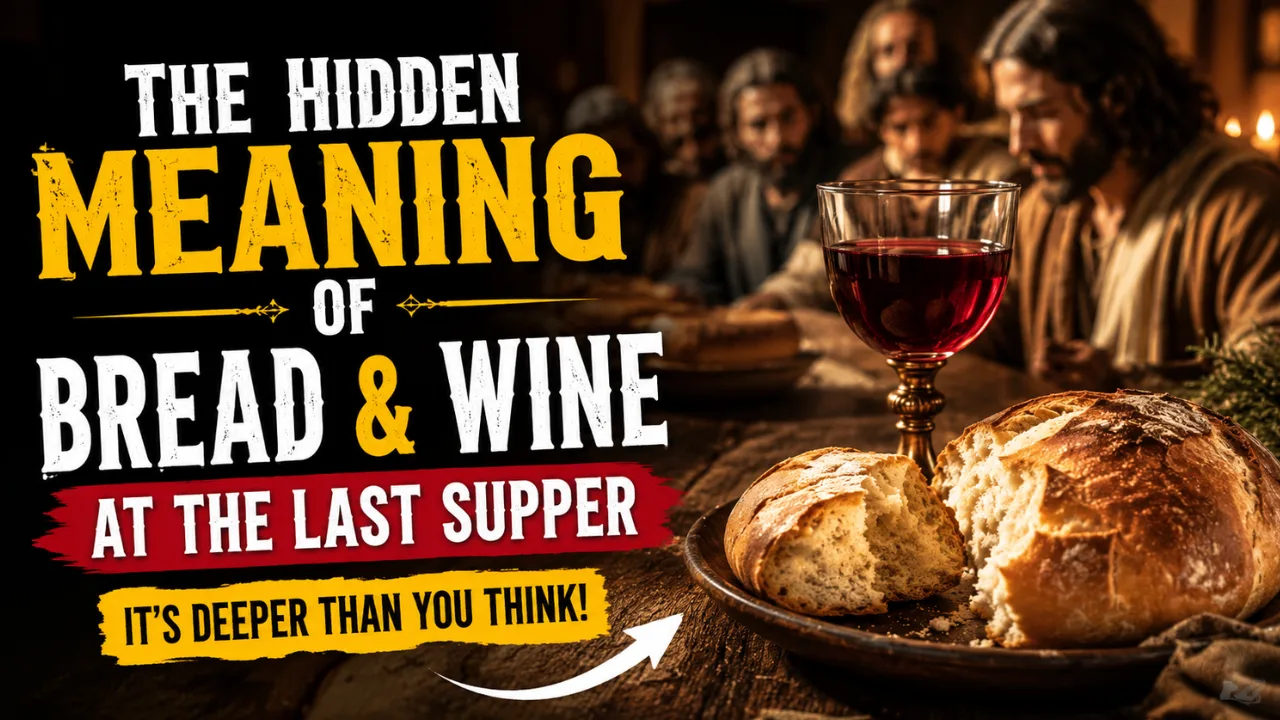

Bread and wine at the Last Supper are among the most important symbols in the New Testament. Jesus took elements already present at the meal and used them to explain the meaning of His approaching death. The bread was connected to His body and the wine was connected to His blood of the covenant.
These symbols should not be read as isolated objects. They belong within the setting of Passover, the history of Israel, the language of covenant and the larger biblical themes of sacrifice, remembrance, fellowship, provision, forgiveness and redemption. The significance of the bread and wine is rooted in centuries of biblical history that prepared the way for Jesus’ final meal with His disciples.
The meaning of the bread and wine becomes clearer when we understand that Jesus was not simply giving His disciples a new ritual. He was interpreting the cross before it happened, using familiar elements from a sacred meal to show what His death would accomplish. Through these symbols, He provided a framework for understanding events that would soon unfold and would otherwise have been difficult for the disciples to comprehend.
These symbols also establish an enduring act of remembrance for the church. Jesus instructed His followers to continue observing the meal in remembrance of Him, ensuring that future generations would reflect on the meaning of His death and its significance for their faith.
Also Read: The Last Supper and Communion Explained
Last Supper Took Place in the Setting of Passover
The Last Supper happened during the Passover season, which immediately gives the meal deep symbolic weight. Passover remembered God’s deliverance of Israel from slavery in Egypt. It was a meal of memory, redemption, sacrifice and covenant identity.
This setting matters because Jesus did not speak about bread and wine in an ordinary context. He spoke during a meal that already reminded Israel of God’s saving power. The disciples would have understood that the meal pointed backward to the Exodus, when God delivered His people and formed them as a covenant community.
By speaking over the bread and wine in this setting, Jesus connected His approaching death to the larger story of redemption. The Passover remembered deliverance from Egypt but Jesus used the meal to point toward a greater deliverance that would come through His own body and blood.
Bread Already Carried Meaning in Scripture
Bread was one of the most basic elements of daily life but in Scripture it often carried meaning beyond physical food. Bread represented provision, dependence on God, fellowship and covenant relationship. Because it was a daily necessity, it became a natural symbol for God’s ongoing care and the sustenance He provides for His people.
Israel’s wilderness experience shaped much of this meaning. God gave manna to His people when they had no food, teaching them that life depended on His provision. Bread therefore became connected to God’s sustaining care. The lesson extended beyond physical nourishment. Israel was taught to trust God day by day, recognizing that their survival ultimately depended on Him rather than on their own resources.
Bread also appeared in Israel’s worship. The bread of the Presence in the tabernacle and later in the temple symbolized fellowship before God and served as a reminder of His covenant relationship with His people. These uses reinforced the idea that bread could point to spiritual realities as well as physical needs.
Bread also belonged to fellowship. Sharing bread at a table expressed relationship, peace and participation in a common meal. In biblical culture, eating together was rarely meaningless. It often communicated belonging, hospitality, acceptance and shared life. Table fellowship created and reinforced relationships, which is one reason meals play such an important role throughout Scripture.
This background helps explain why bread was such a fitting symbol at the Last Supper. Jesus used something familiar and necessary to speak about His own self-giving life. Just as bread sustains physical life, Jesus would give Himself for the life of the world.
Also Read: What Really Happened in Gethsemane the Night Before the Cross
Meaning of the Bread at the Last Supper
When Jesus took the bread and said, “This is my body,” He was pointing His disciples toward His coming sacrifice. His body would soon be given over in suffering and death. The bread became a symbol of His self-giving for others.
The act of breaking and sharing the bread also matters. Jesus did not merely point to bread on the table. He took it, blessed it, broke it and gave it to His disciples. The movement of the action helps explain the meaning. His life would be given and His disciples would receive the benefit of what He was about to accomplish.
The bread also connects naturally to the theme of spiritual provision. Just as bread sustains physical life, Jesus presents Himself as the One through whom true life comes. The symbol therefore speaks not only of death but also of life given through His sacrifice.
Wine Already Carried Meaning in Scripture
Wine also had established meaning before the Last Supper. In Scripture, wine often appears in settings of joy, blessing, celebration, covenant fellowship and thanksgiving. It was a familiar part of meals and could symbolize the goodness of God’s provision.
At the Last Supper, however, Jesus gave the cup a meaning that went beyond celebration. He connected it directly to His blood and to covenant.
This connection is the heart of the wine’s symbolism. The cup was not simply a symbol of shared fellowship. It became a symbol of sacrificial blood, covenant establishment, forgiveness and redemption.
The Meaning of the Wine at the Last Supper
Jesus described the cup as His “blood of the covenant.” This phrase is deeply rooted in the Old Testament. In Exodus 24, Moses used similar language when the covenant between God and Israel was confirmed with sacrificial blood.
By using covenant language, Jesus showed that His death would establish a covenant relationship. His blood would not be meaningless suffering. It would be sacrificial and redemptive.
The cup also connects with the promise of the new covenant in Jeremiah 31, where God promised forgiveness, inward renewal and restored relationship with His people. At the Last Supper, Jesus identifies His coming death as the means through which this covenant promise would be fulfilled.
Matthew’s account adds that His blood is “poured out for many for the forgiveness of sins.” This explains the purpose of the symbol. The wine points to His blood and His blood points to forgiveness through sacrifice.
Also Read: How Teenage Girls Can Start Reading the Bible Daily
Bread and Wine Together
The bread and wine should be understood together, not separately only. The bread points to Christ’s body given for others. The wine points to His blood of the covenant poured out for forgiveness.
Together, they explain the meaning of Jesus’ death. His death would be sacrificial, covenantal, redemptive and communal. The disciples were gathered around a table, receiving shared symbols that pointed to the work Christ would accomplish for them.
The bread and wine also join remembrance and fellowship. Jesus commanded His followers to remember Him through these elements. In the biblical world, remembrance was not merely mental recollection. It involved calling God’s saving work to mind in a way that shaped worship, identity and faith.
Why Jesus Chose Ordinary Elements
Jesus chose bread and wine, not rare or royal objects. This is significant because both elements were familiar in daily life and already meaningful in biblical tradition. They were common enough to be understood by everyone at the table, yet rich enough in biblical symbolism to communicate profound spiritual truths.
Bread spoke of provision, dependence and shared life. It reminded people of daily sustenance, God’s care in the wilderness and the fellowship expressed through a shared meal. Wine spoke of blessing, joy, covenant fellowship and, in Jesus’ words, sacrificial blood. Both elements already carried associations that made them fitting symbols for what Jesus was about to accomplish.
The choice of bread and wine also reflects the personal nature of Christ’s work. Just as bread and drink are received and enjoyed, the blessings of Christ’s sacrifice are not merely observed from a distance. They are received by faith and become central to the believer’s relationship with God.
At the Last Supper, bread and wine became symbols through which Jesus explained His approaching death. The bread represented His body given for others. The wine represented His blood of the covenant, poured out for forgiveness. Through these symbols, Jesus interpreted the significance of the cross before it occurred, helping His disciples understand that His death would not be a tragic accident but a purposeful act within God’s redemptive plan.
Frequently Asked Questions
Why did Jesus use bread and wine at the Last Supper?
Jesus used familiar elements that already carried biblical meaning and used them to explain the significance of His approaching death.
Was the Last Supper a Passover meal?
The Last Supper took place within the Passover setting, connecting Jesus’ sacrifice with the broader biblical theme of redemption and deliverance.
What does the wine represent in the Last Supper?
The wine represents Christ’s blood of the covenant and symbolizes sacrifice, forgiveness, redemption and the establishment of the new covenant.
What is the meaning of “This is my blood of the covenant”?
The phrase connects Jesus’ death with covenant language found in the Old Testament and points to the new covenant established through His sacrifice.
How does Exodus 24 relate to the Last Supper?
Exodus 24 describes the covenant ceremony at Sinai, where Moses spoke of the “blood of the covenant.” Jesus echoes this language at the Last Supper.

1 thought on “Bread and Wine Meaning at the Last Supper”