
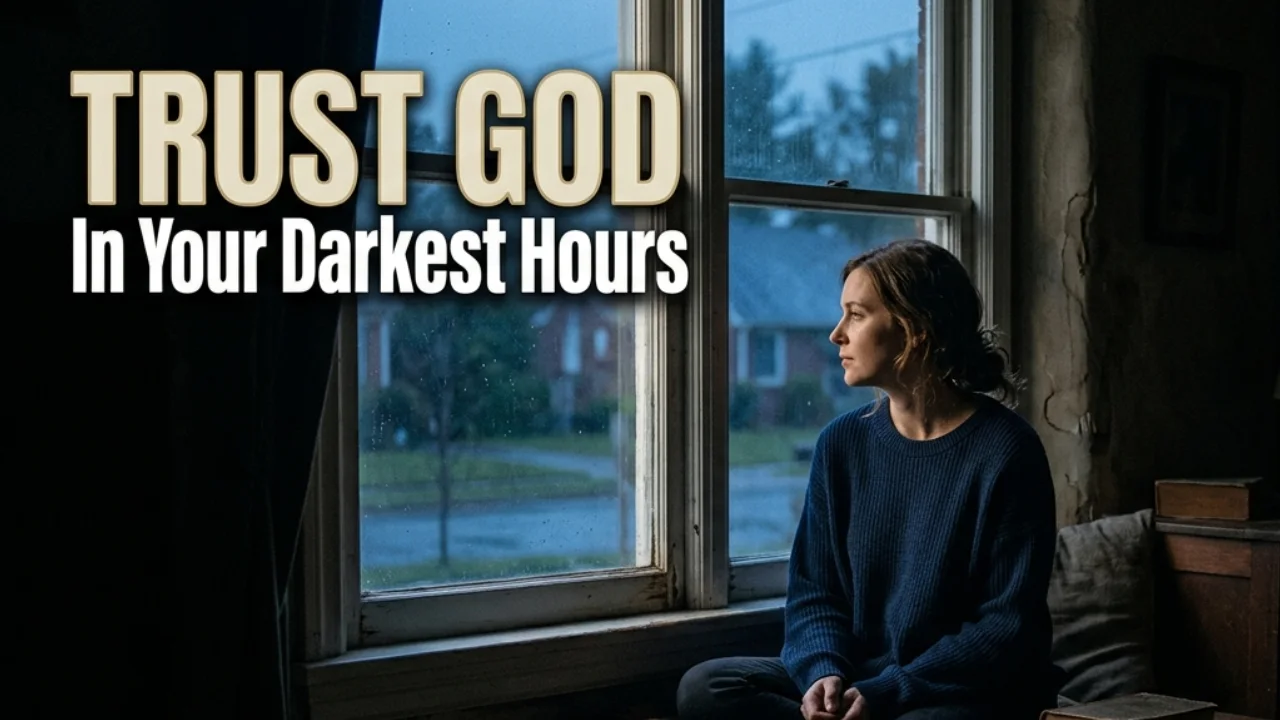

There are seasons when life feels strangely dark. You may be praying, waiting and trying to stay strong yet nothing seems to move. The answer does not come and the silence feels longer than expected.
The Bible describes a real moment like this during Jesus’ crucifixion. From noon until three in the afternoon, darkness covered the land (Matthew 27:45; Luke 23:44–45). Even in that moment, God was still working through the cross.
Your own “three hours” may look different, but the feeling is similar. It may be grief, delay, confusion or spiritual heaviness. Still, the cross reminds us that darkness does not mean God has stopped working.
Way 1: Hold to Truth
Feelings are real, and they should not be ignored. Fear, pain and confusion can feel overwhelming, especially in difficult seasons. Yet feelings are not always reliable guides for faith.
Hebrews 13:8 reminds us that Jesus Christ does not change. While emotions shift, His truth remains steady. Trust grows when we learn to anchor ourselves in what is true rather than what feels uncertain.
When emotions rise
Fear can make God feel distant and confusion can weaken confidence in His promises. Pain can make the future seem unclear and heavy, even when God is still near.
What remains firm
God’s Word stays true (John 17:17), and His promises remain secure. His character is faithful, even when circumstances are not.
Returning to Scripture brings stability. It helps you stand on truth when emotions become loud and distracting. In your own “three hours,” truth becomes an anchor for the heart.
Way 2: Stay Close Through Prayer
Prayer may feel difficult when you are hurting. Sometimes words are hard to find and silence can feel discouraging. Still, prayer is not about saying the right words, but about staying connected to God.
Psalm 34:17 says that the Lord hears when the righteous cry out. He listens even when prayers are simple broken or quiet. Your voice still reaches Him, even when your heart feels weak.
Jesus remained in prayer during suffering. On the cross, He entrusted Himself to the Father (Luke 23:46). That shows that connection with God remains important, even in pain.
Keep coming to God honestly. Even when answers are delayed, prayer keeps your heart near Him. It reminds you that you are not carrying the darkness alone.
Way 3: Look Back to Stay Steady
When the present feels uncertain, remembering the past can strengthen your faith. Scripture often calls believers to remember what God has already done. Psalm 77:11 points to this practice clearly.
Think about moments when God helped you before. Times when provision came, peace arrived or strength was given when you needed it most. Those memories matter because they remind you of His steady care.
Malachi 3:6 reminds us that God does not change. The same God who was faithful then remains faithful now. Looking back helps you stand firm when the present feels unstable.
Way 4: Trust What You Cannot See
One of the hardest parts of a dark season is not knowing what God is doing. You may only see delay, silence or confusion. It can feel like nothing is moving forward.
Romans 8:28 teaches that God is still working for good. His work is often hidden, but it is not absent. What you cannot see does not mean nothing is happening.
What you may see
Silence, waiting and unanswered questions can dominate your view. Closed doors can make the future feel uncertain, especially when you expected a clear path.
What God may be doing
He may be building faith, preparing answers or shaping your character. He may be leading you into deeper trust and dependence while the full picture remains hidden.
The cross looked like defeat to those watching. Yet it was God’s greatest work of redemption. What seems unclear now may hold greater purpose than you can see.
Go Deeper: Understand the “Three Hours”
If you want to understand this season more deeply, it helps to look again at what happened during Jesus’ crucifixion. The darkness was not just a moment in history. It carried meaning that speaks directly to our own seasons of struggle.
You can explore this further here: Why Darkness Fell at Noon During Jesus’ Crucifixion
This study explains the deeper spiritual meaning behind the darkness at the cross and why it matters for your faith today.
You can also read this: The Three Hours of Darkness During the Crucifixion—Why It Changed Everything
This article focuses on the full three hours of darkness and what they reveal about God’s work during silent and heavy seasons.
Both of these will help you see that your “three hours” are not empty moments. They are part of a larger story where God is still present, still working and still faithful.
Way 5: Release Control and Rest in God
Difficult seasons often increase the desire for control. You may want clear answers, quick changes or certainty about the future. This desire is natural, but it often brings more pressure than peace.
Proverbs 3:5–6 calls us to trust in the Lord instead of leaning on our own understanding. Trust means letting go of the need to figure everything out. It places your situation in God’s wiser hands.
The struggle
Wanting to understand everything and control outcomes can create stress. It can make waiting feel even harder when life does not move according to your timing.
The invitation
God invites you to surrender control and trust His wisdom. He calls you to rest in His care rather than carry everything alone.
Surrender is an act of faith. It allows peace to grow even when answers are still unfolding. Rest begins when the heart stops trying to hold what only God can carry.
Your Darkness Has an End
The darkness during Jesus’ crucifixion did not last forever. It led to the victory of the cross and the hope of the resurrection. What looked final became the place where God revealed redemption.
Your “three hours” may feel long, but God is still present and working. His faithfulness does not depend on how visible His work is in the moment.
Hold to truth, stay close in prayer, remember His faithfulness, trust what you cannot see and release control into His hands. The same God who brought light after Calvary can bring light into your life and your darkness will not have the final word.
Frequently Asked Questions
Why does God allow seasons of darkness?
God may allow difficult seasons to grow faith, shape character and deepen dependence on Him. These moments are not meaningless. Scripture shows that God often works through hidden and painful seasons to accomplish His purpose.
How can I trust God when I feel nothing?
Trust is not built on feelings, but on truth. Even when emotions are empty or unstable, God’s character does not change. Returning to Scripture and reminding yourself of His promises helps build steady trust.
What should I pray when I have no words?
You can speak honestly and simply. Tell God exactly how you feel. Short prayers, quiet moments or even silence offered to God are still meaningful. He understands what your heart is carrying.
Does silence mean God is not listening?
No, silence does not mean God is absent. Many times, God is working in ways you cannot see. The Bible shows that waiting seasons are often part of His plan.
How do I know God is still working in my situation?
Romans 8:28 teaches that God works all things for good for those who love Him. Even when there is no visible change, He is still active. Trust is believing in His work before you can see the results.
