
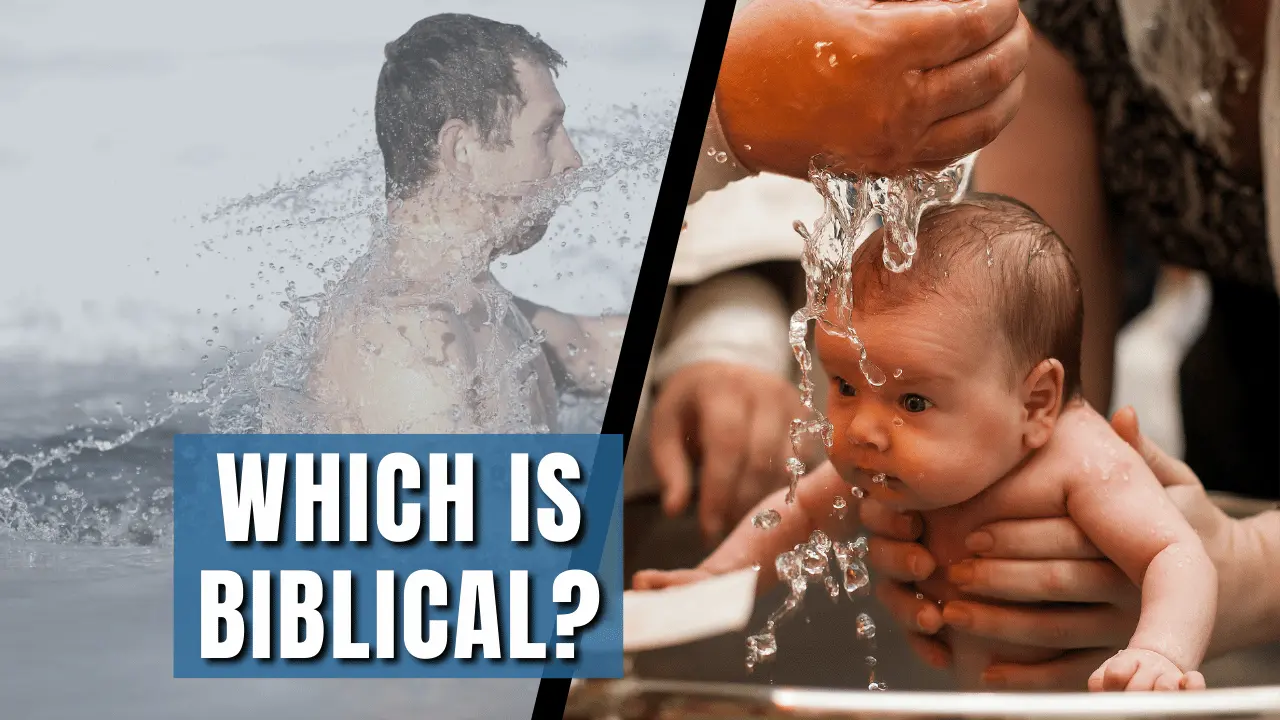

Baptism is a central practice in Christianity, but believers often hold different views on when baptism should occur. The discussion around adult baptism and infant baptism has existed for centuries and continues today across Christian traditions. Understanding both perspectives helps clarify what each practice teaches about faith, grace, and commitment to God.
This explanation is not about declaring one view superior, but about understanding what adult baptism and infant baptism each mean within Christian belief.
What Baptism Represents in Christianity
At its core, baptism represents identification with Jesus Christ. It symbolizes cleansing from sin, new life, and belonging to God. Christians agree that baptism is deeply meaningful, but they differ on how and when that meaning is best expressed.
Some emphasize personal faith and conscious choice, while others emphasize God’s covenant grace and community belonging. These differences shape the practice of adult baptism and infant baptism.
Also Read: Biblical Meaning of Baptism in Christianity
Also Read: How to Move Toward Baptism When You Do Not Have a Church Home
Also Read: What It Really Means to Live as a Born-Again Christian
What Is Adult Baptism?
Adult baptism, often called believer’s baptism, is practiced when a person is baptized after making a personal confession of faith in Jesus Christ. This baptism follows conscious belief, repentance, and commitment.
Adult baptism emphasizes personal responsibility and intentional faith. The individual chooses baptism as an act of obedience and public declaration that they follow Christ.
Biblical Support for Adult Baptism
Supporters of adult baptism often point to examples in the New Testament where people believed first and were baptized afterward. In the Gospel of Matthew, Jesus commands His followers to make disciples and baptize them, which many interpret as teaching followed by belief before baptism.
In Romans, baptism is described as participation in Christ’s death and resurrection, reinforcing the idea of conscious identification with Jesus. Adult baptism highlights understanding, repentance, and faith as prerequisites.
Strengths of Adult Baptism
Adult baptism clearly reflects personal belief and decision. It allows individuals to express faith publicly with understanding and intention. This practice emphasizes discipleship, accountability, and transformation.
For many believers, adult baptism marks a clear spiritual milestone that strengthens commitment and identity in Christ.
What Is Infant Baptism?
Infant baptism is the practice of baptizing children, usually infants, born into Christian families. This practice is common in historic Christian traditions such as Catholic, Orthodox, and some Protestant denominations.
Infant baptism emphasizes God’s grace rather than personal decision. It views baptism as a sign of God’s covenant, welcoming the child into the faith community from the beginning of life.
Biblical Reasoning Behind Infant Baptism
Supporters of infant baptism often point to biblical themes of covenant and household faith. They draw parallels between baptism and Old Testament covenant signs, emphasizing God’s initiative rather than human response.
Infant baptism is not seen as a declaration of personal faith, but as a sign that the child belongs to God’s people and will be raised in faith until personal belief is affirmed later in life.
Strengths of Infant Baptism
Infant baptism highlights God’s grace as a gift rather than a reward. It emphasizes that salvation begins with God, not human effort. This practice also stresses the role of Christian community and family in spiritual formation.
For many families, infant baptism is a meaningful moment of dedication, prayer, and commitment to raise the child in faith.
Key Differences Between Adult and Infant Baptism
The primary difference between adult baptism and infant baptism lies in timing and emphasis. Adult baptism focuses on personal faith before baptism. Infant baptism focuses on covenant belonging before conscious belief.
Adult baptism highlights choice and confession. Infant baptism highlights grace and promise. Both aim to honour God, but they approach baptism from different theological angles.
Are These Views Mutually Exclusive?
Many Christians recognize that both practices aim to point toward faith in Christ. Some traditions practice infant baptism and later encourage confirmation or personal profession of faith. Others practice only adult baptism.
Despite differences, Christians across traditions affirm that salvation comes through God’s grace, not through the act of baptism alone.
Choosing a View With Humility
The Bible does not present baptism as a tool for division. Whether practiced in infancy or adulthood, baptism is meant to draw believers toward Christ, not away from one another.
Christians are encouraged to study Scripture, understand their tradition, and respect others who hold different convictions. Unity in Christ is more important than agreement on every practice.
A Shared Purpose Behind Both Practices
Adult baptism and infant baptism both point to the same truth: life belongs to God, and faith in Christ matters. One emphasizes conscious commitment, the other emphasizes covenant grace, but both direct believers toward a life shaped by faith, obedience, and trust in God.
Understanding these differences allows Christians to engage the topic with clarity, respect, and deeper appreciation for the richness of Christian tradition.
Frequently Asked Questions
What is the main difference between adult baptism and infant baptism?
The main difference is timing and emphasis. Adult baptism takes place after a person makes a personal confession of faith. Infant baptism is performed before personal belief, emphasizing God’s covenant grace and inclusion in the faith community.
Is adult baptism more biblical than infant baptism?
Christians differ on this question. Supporters of adult baptism point to New Testament examples of belief followed by baptism, such as teachings found in Matthew. Supporters of infant baptism point to biblical themes of covenant and household faith. Both views seek to be faithful to Scripture.
Does infant baptism mean a child is automatically saved?
No, infant baptism does not mean automatic salvation. Christian traditions that practice infant baptism teach that salvation comes through faith in Christ. Infant baptism is viewed as a sign of God’s grace and a commitment to raise the child in faith.
Why do some Christians wait to baptize until adulthood?
Some Christians wait because they believe baptism should follow a conscious decision to trust Christ. In Romans, baptism is described as identifying with Jesus’ death and resurrection, which many believe requires personal understanding and faith.
Can someone baptized as an infant choose adult baptism later?
Yes, some individuals baptized as infants later choose adult baptism as a personal declaration of faith. Practices vary among Christian traditions, but the focus remains on sincere commitment to Christ.

2 thoughts on “Adult Baptism vs Infant Baptism Explained”