
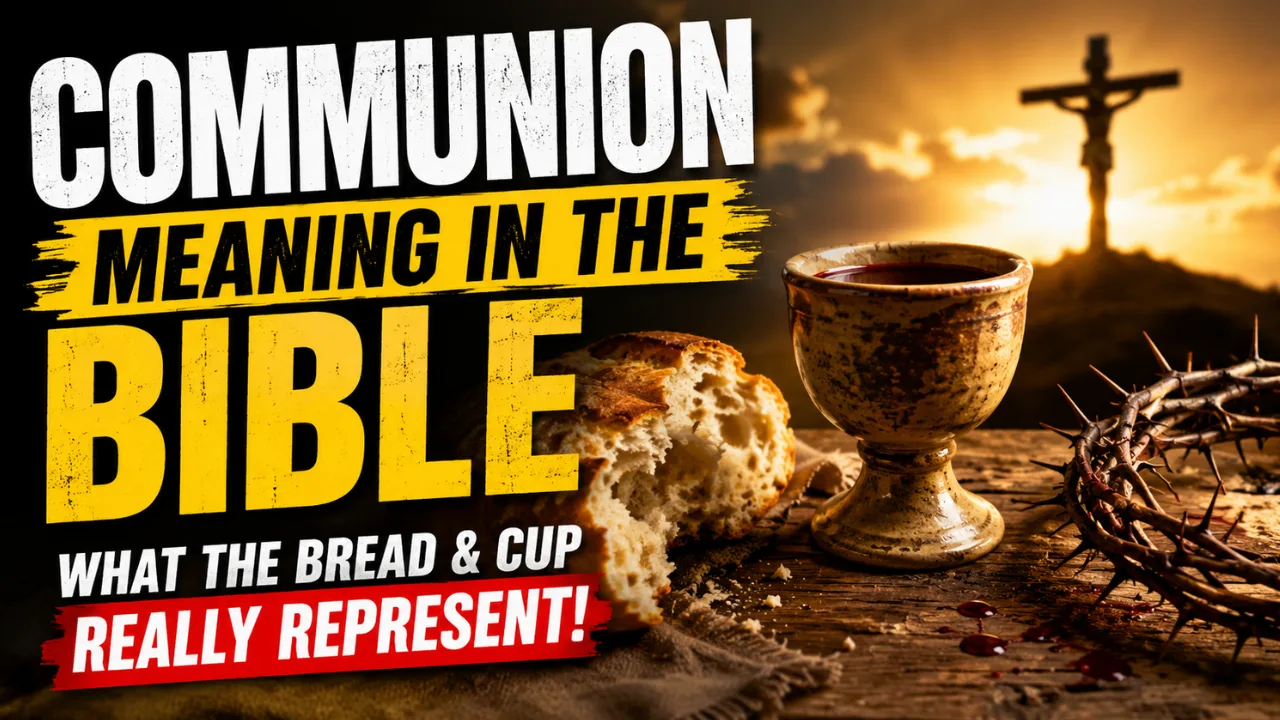

Communion is a Christian practice rooted in the words and actions of Jesus at the Last Supper. In the Bible, Communion is not presented as an empty ritual or a simple religious habit. It is connected to remembrance, covenant, sacrifice, participation in Christ, fellowship among believers, proclamation of the Lord’s death, self-examination and hope in His return.
The meaning of Communion comes especially from the Gospel accounts of the Last Supper and Paul’s teaching in 1 Corinthians 10–11. Jesus took bread and the cup during the meal, connected them to His body and blood and gave His disciples a practice that would continually point back to His sacrificial death.
To understand Communion biblically, the practice must be read through the Last Supper, Passover, the new covenant and the life of the gathered church.
Communion and the Last Supper
The foundation of Communion is the final meal Jesus shared with His disciples before His crucifixion. The Gospels describe Jesus taking bread, giving thanks, breaking it and giving it to His disciples. He also took the cup and spoke of His blood in covenant language.
This meal took place in the setting of Passover, when Israel remembered God’s deliverance from Egypt. Passover was already a meal of redemption, memory, covenant identity and divine rescue. Jesus used that setting to explain the greater redemption that would come through His death.
Communion therefore begins with Jesus interpreting His approaching crucifixion. The bread and cup were not random objects. They became symbols through which Jesus taught His disciples what His death would mean.
Also Read: Bread and Wine Meaning at the Last Supper
Communion as Remembrance
Jesus said:
“Do this in remembrance of me.”
In the Bible, remembrance is more than mentally recalling an event. Passover remembrance involved actively bringing God’s saving work before the community so that His people would remember who they were and what God had done for them.
Communion works in a similar way. Through the bread and cup, believers remember Christ Himself and the sacrifice He made. The practice keeps the death of Jesus central in the life of the church.
This remembrance is not vague religious reflection. It is focused on Christ’s body given and His blood shed. Communion continually brings the church back to the cross as the foundation of forgiveness, redemption and covenant relationship with God.
Communion and Christ’s Sacrifice
The bread and cup point directly to the sacrifice of Christ. Jesus identified the bread with His body and the cup with His blood. These symbols direct attention to His death but not merely as a tragic event. In the New Testament, His death is presented as redemptive and purposeful. Jesus willingly gave Himself in obedience to the Father’s will, accomplishing what the Scriptures had long anticipated.
The bread points to His body given for others. The language emphasizes self-giving love and sacrifice. Jesus was not simply a victim of circumstances; He offered Himself on behalf of sinners. The cup points to His blood poured out for forgiveness. In biblical thought, the shedding of blood was closely connected to sacrifice, atonement and covenant. By linking the cup to His blood, Jesus explained that His death would establish a new covenant relationship between God and His people.
The practice reminds believers that salvation is not grounded in human effort, religious performance or moral achievement. It is grounded in the sacrificial death of Christ. Communion directs attention away from what believers have done and toward what Christ has accomplished through His death and resurrection.
Also Read: The Last Supper and Communion Explained
Communion and the New Covenant
One of the most important statements about Communion is:
“This cup is the new covenant in my blood.”
This language reaches back into the Old Testament. In Exodus 24, Moses spoke of the “blood of the covenant” when the covenant at Sinai was confirmed. In Jeremiah 31, God promised a new covenant involving forgiveness, inward renewal and restored relationship with His people.
When Jesus speaks of the cup as the new covenant in His blood, He presents His death as the means through which that promised covenant is established. Communion therefore carries covenant meaning. It points to the relationship God establishes through Christ’s sacrifice.
The cup is not only a symbol of blood. It is a symbol of covenant blood, forgiveness and renewed relationship with God through Jesus.
Meaning of the Bread and the Cup
The bread and cup each carry distinct meaning but they belong together.
| Element | Biblical Meaning |
|---|---|
| Bread | Christ’s body given for His people |
| Cup | Christ’s blood of the new covenant |
| Together | His sacrificial death and covenant redemption |
The bread speaks of Christ’s self-giving. It was taken, blessed, broken and given. The action itself helps explain the meaning, because Jesus was preparing His disciples to understand that His life would be given for others.
The cup speaks of covenant and forgiveness. In Matthew’s account, Jesus says His blood is poured out for many for the forgiveness of sins. The cup therefore points to sacrifice, atonement and the new covenant relationship established through Him.
Communion as Participation in Christ
Paul gives another important layer of meaning in 1 Corinthians 10. He speaks of the cup as “the communion of the blood of Christ” and the bread as “the communion of the body of Christ.”
The word communion carries the idea of sharing, fellowship or participation. This means Communion is not only remembrance of a past event. It also expresses the believer’s relationship with Christ in the present.
Paul’s language shows that Communion is connected to participation in Christ and His redemptive work. The church remembers Christ’s death, but it does so as a people who belong to Him.
Communion and Fellowship Among Believers
Communion also has a communal meaning. Paul says:
“For we being many are one bread and one body.”
The shared bread and shared cup express the unity of believers in Christ. Communion is not only vertical, between the believer and God. It is also horizontal, expressing the shared identity of the church.
This is why Paul corrects the Corinthians in 1 Corinthians 11. Their divisions and selfish behaviour contradicted the meaning of the meal. Communion was meant to reflect fellowship, humility, unity and shared life in Christ.
A divided and careless approach to Communion denied the very meaning the practice was meant to display.
Also Read: What Really Happened in Gethsemane the Night Before the Cross
Communion and Self-Examination
Paul tells believers to examine themselves before eating the bread and drinking the cup. This instruction belongs to the context of 1 Corinthians 11, where the church was treating the meal in a careless and divided way.
Self-examination does not mean believers must be perfect before coming to Communion. Rather, it means they should approach the practice with seriousness, reverence, repentance and recognition of what the bread and cup represent.
Communion points to Christ’s body and blood. Because of that, it should not be treated casually. Paul’s warning reminds believers that the practice carries spiritual weight because it is tied to the Lord’s death and the fellowship of His people.
Communion as Proclamation
Paul also says:
“For as often as ye eat this bread and drink this cup, ye do shew the Lord’s death till he come.”
Communion proclaims the death of Christ. It is a visible declaration of the gospel. Every time the church shares the bread and cup, it announces that Christ died, that His death has saving meaning and that His people live by what He accomplished.
This proclamation is not only spoken through words. It is enacted through the symbols Jesus gave. The bread and cup preach the meaning of the cross in visible form.
Communion and Future Hope
Paul’s phrase “till he come” adds a future dimension to Communion. The practice looks backward to Christ’s death but it also looks forward to His return.
Communion remembers a finished sacrifice while anticipating the final fullfillment of God’s redemptive purpose. It holds together past redemption, present fellowship and future hope.
This makes Communion one of the richest practices in the New Testament. It gathers the church around the memory of Christ’s death while pointing believers toward the day when His work will be fully revealed.
What Communion Means in the Bible
Communion in the Bible means remembrance of Christ, participation in His body and blood, fellowship among believers, proclamation of His death and hope in His return. It is rooted in the Last Supper, shaped by Passover, explained through covenant language and deepened by Paul’s teaching to the church.
The bread represents Christ’s body given for His people. The cup represents His blood of the new covenant, poured out for forgiveness. Together, they point to the sacrifice of Jesus and the covenant relationship established through His death.
Communion is therefore not merely a church custom. It is a biblical practice that brings together sacrifice, covenant, remembrance, fellowship, proclamation, self-examination and hope in one act centred on Christ.
Frequently Asked Questions
Why did Jesus institute Communion?
Jesus instituted Communion to help His followers remember Him, understand the meaning of His death and participate in a practice centred on the new covenant.
Is Communion connected to the Last Supper?
Yes. Communion originates from the Last Supper, where Jesus took bread and the cup and explained their significance to His disciples before His crucifixion.
What does the cup represent in Communion?
The cup represents Christ’s blood of the new covenant and symbolizes forgiveness, redemption and covenant relationship with God.
What does “Do this in remembrance of me” mean?
Jesus instructed His followers to remember Him through Communion. In Scripture, remembrance involves actively recalling God’s saving work and its significance.

1 thought on “Meaning of Communion From the Last Supper”