
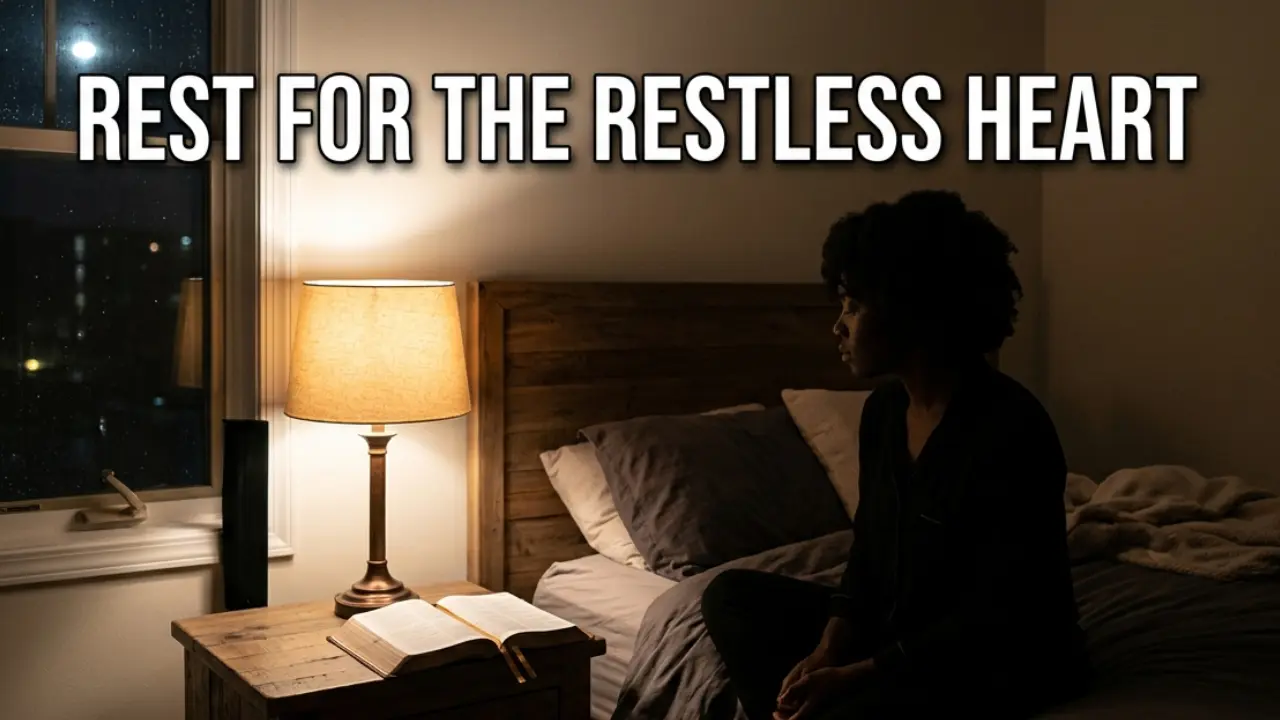

There are nights when the body feels completely exhausted, yet the mind refuses to become quiet. The room is dark the house is still and everyone else seems to be resting peacefully while sleep feels painfully far away.
For many Christians, insomnia becomes more than a physical struggle. It slowly affects emotions, spiritual peace, concentration and even the way a person thinks about their faith. During long restless nights, difficult thoughts often begin surfacing:
- Why can I not rest?
- Am I not trusting God enough?
- Is something wrong with my faith?
- Why does my mind feel impossible to calm down?
But sleeplessness is not always a sign of weak faith. Insomnia can come from stress, grief, anxiety, health problems, poor habits, trauma or [a mind that has been carrying too much for too long — How Christians Can Deal With Mental Overload].
The Bible recognizes that human beings are both physical and spiritual. God cares about tired bodies, overwhelmed minds, anxious hearts and emotionally exhausted souls. Scripture never presents faithful people as emotionally untouched by fear, stress or sleeplessness.
1. God Created Us to Rest
Body Has Limits
Human beings were not created to live without rest. The need for sleep is not a flaw in the body. It is part of God’s design.
When sleep is missing for too long, everything becomes harder. Patience grows thin. Small problems feel larger. Prayer can feel difficult. Concentration weakens. Even simple responsibilities can feel overwhelming.
This is why Christians should not treat exhaustion lightly. The body is not separate from spiritual life. A tired body can affect the way a person thinks, feels, speaks, reacts and prays.
Rest Is Not Laziness
Some believers feel guilty when they need rest. They may think they should always be strong, always productive and always available. But that pressure is not wisdom.
Psalm 127 reminds believers that sleep can be received as a gift from God. Rest is not laziness when it is part of healthy living. It is a humble admission that people are not God. They have limits and those limits matter.
Insomnia becomes even more painful when a person adds guilt to exhaustion. A Christian does not need to feel ashamed for [wanting peaceful sleep — Is Rest a Spiritual Discipline for Christians?].
Jesus Valued Rest
Jesus lived with constant demands around Him. People came to Him for healing, teaching, answers and help. Yet He still withdrew to quiet places.
That shows something important. Rest and quietness are not signs of spiritual weakness. Jesus honoured human limits during His earthly life.
For a Christian dealing with insomnia, this truth can bring relief. God is not angry because a person is tired. He is compassionate toward human weakness.
2. Stop Carrying Tomorrow Into Bed
Why Worry Grows at Night
Many sleepless nights are filled with thoughts that were never processed during the day. The mind waits until the room is silent, then begins replaying everything.
A person may think about unpaid bills, family tension, work pressure, health fears, parenting worries, past mistakes or uncertain decisions. The body wants sleep but the mind keeps searching for answers.
Night-time can make worries feel bigger than they are. In the dark, problems often lose proportion. What felt manageable in the afternoon can feel frightening at midnight.
Prayer Gives Anxiety Release
Christians are not called to pretend they are calm when they are not. God invites honest prayer. Philippians 4 teaches believers to bring their anxieties to Him, not hide them.
This kind of prayer is not about using perfect words. It may sound simple: “Lord, I am afraid. I am tired. I do not know how to stop thinking about this.”
That honesty matters. Anxiety becomes heavier when it stays trapped inside. Prayer gives fear somewhere to go. It places the burden before God instead of letting it circle endlessly in the mind.
Ending the Night With Peace
A helpful practice is writing worries down before bed. This can help the mind stop treating every concern as something that must be solved immediately.
Another practice is praying specifically. Instead of saying, “God, help me,” a person can say, “God, I am worried about this appointment,” or “I am afraid about this conversation tomorrow.”
Specific prayer brings hidden fears into the light. It does not always bring instant sleep, but it can bring [a quieter heart — How to Pray When Anxiety Feels Overwhelming].
3. Peace at Night Improves Rest
Your Mind Needs Quiet
Many people expect their minds to stop instantly at bedtime, even after hours of stimulation. But the brain does not always work that way.
Scrolling, messages, videos, news, arguments, work emails and bright screens keep the mind alert. Even after the phone is turned off, the thoughts may keep moving.
A restless evening often becomes a restless night. This is why Christians should think carefully about [what they allow into their minds before sleep — Christian Evening Habits That Help Calm the Mind].
Build Healthier Night Habits
A peaceful night often begins before the head touches the pillow. Softer lighting, quieter surroundings and a predictable rhythm can help the body prepare for rest.
This does not need to be complicated. A person can begin by putting the phone away earlier, lowering noise, avoiding stressful conversations late at night and creating a calmer space.
The goal is not perfection. The goal is preparation. A gentle evening tells the body and mind, “The day is ending. It is safe to slow down.”
Habits That Create Peace
Some Christians find comfort in reading a Psalm slowly before bed. Others listen to quiet worship music, sit in silence or pray through the day with God.
The important thing is to choose habits that calm rather than stir up the mind. A Christian should not use bedtime to consume everything the world is shouting.
Peaceful habits do not always cure insomnia immediately but they create better conditions for rest. Over time, those patterns can shape the heart and mind in healthier ways.
4. Use Scripture for Comfort
Scripture Brings Comfort
Some believers become frustrated because they read Bible verses at night and still cannot sleep. Then they may think, “Even Scripture is not helping me.”
But Scripture is not a magic switch. God’s Word is not meant to be used like a formula that forces sleep to happen instantly.
The Bible comforts, steadies, teaches and redirects the heart. Sometimes that peace comes gently and slowly. That does not mean God has failed or the believer has failed.
Let Truth Interrupt Fear
During insomnia, fear often repeats the same message: “You are alone. You will not manage tomorrow. Nothing will improve.”
Scripture interrupts those thoughts with truth. Psalm 4:8 speaks of lying down in peace because safety comes from the Lord. That kind of promise reminds believers that their security is not based on perfect circumstances.
Even when sleep does not come quickly, God’s truth can still guard the heart from panic.
Rest in God’s Character
A tired Christian does not need to perform spiritually in the middle of the night. The goal is not to prove faith by forcing calm feelings.
The better approach is to rest the mind on who God is. He is present. He is patient. He is faithful. He understands weakness. He remains near when human strength feels gone.
When Scripture is received as comfort instead of pressure, it becomes [a shelter for the weary mind — Bible Verses for Christians Who Feel Emotionally Exhausted].
5. Seeking Help Can Be Wise
Recognize Serious Struggles
Not every sleepless night is a crisis. But when insomnia continues for weeks or months, it should not be ignored.
Long-term sleeplessness can affect mood, memory, relationships, work, physical health and spiritual life. It can make a person feel unlike themselves.
Sometimes insomnia is connected to anxiety, depression, trauma, chronic pain, medication, hormones or other medical conditions. These things deserve careful attention.
Reaching Out Is Not Failure
Some Christians feel ashamed to seek help. They may think prayer should be enough by itself.
But God often works through practical means. He works through doctors, counsellors, pastors, trusted friends and wise guidance. Proverbs values wise counsel and that wisdom applies to real struggles like insomnia.
Asking for help does not mean someone has stopped trusting God. It can mean they are taking the struggle seriously.
Take Practical Steps
A Christian dealing with ongoing insomnia may need to speak with a medical professional. They may need counseling, stress support, better sleep habits or help identifying what is happening beneath the surface.
They may also need to talk honestly with someone in their church or family instead of pretending everything is fine.
There is no holiness in suffering silently just to appear strong. Humility sometimes means admitting, “I need help.”
6. God Is Near in Restless Seasons
God Has Not Abandoned You
Sleeplessness can make people feel spiritually defeated. After several difficult nights a Christian may begin to think God is far away.
But God’s presence is not measured by how well someone slept. A restless night does not mean God has left.
Faith is larger than one difficult season. A believer can be exhausted and still loved by God. A believer can feel weak and still be held by grace.
God Is Awake With You
Psalm 121 says that God does not slumber or sleep. For someone lying awake at 2 a.m., that truth can be deeply comforting.
The Christian may be awake unwillingly but God is awake faithfully. He is not tired, distracted or unaware.
This does not remove every struggle instantly, but it reminds the believer that the night is not empty. God is present in the silence.
Trust Can Grow Slowly
Some sleep struggles improve quickly. Others take time, care, treatment and patience.
Christians do not need to wait until everything is fixed before trusting God. Trust can grow slowly in the middle of the process.
Even before sleep fully returns, peace can begin to return. God’s grace is not only for rested people. It is also for weary people who are still [learning how to rest — How to Trust God During a Long Difficult Season].
