
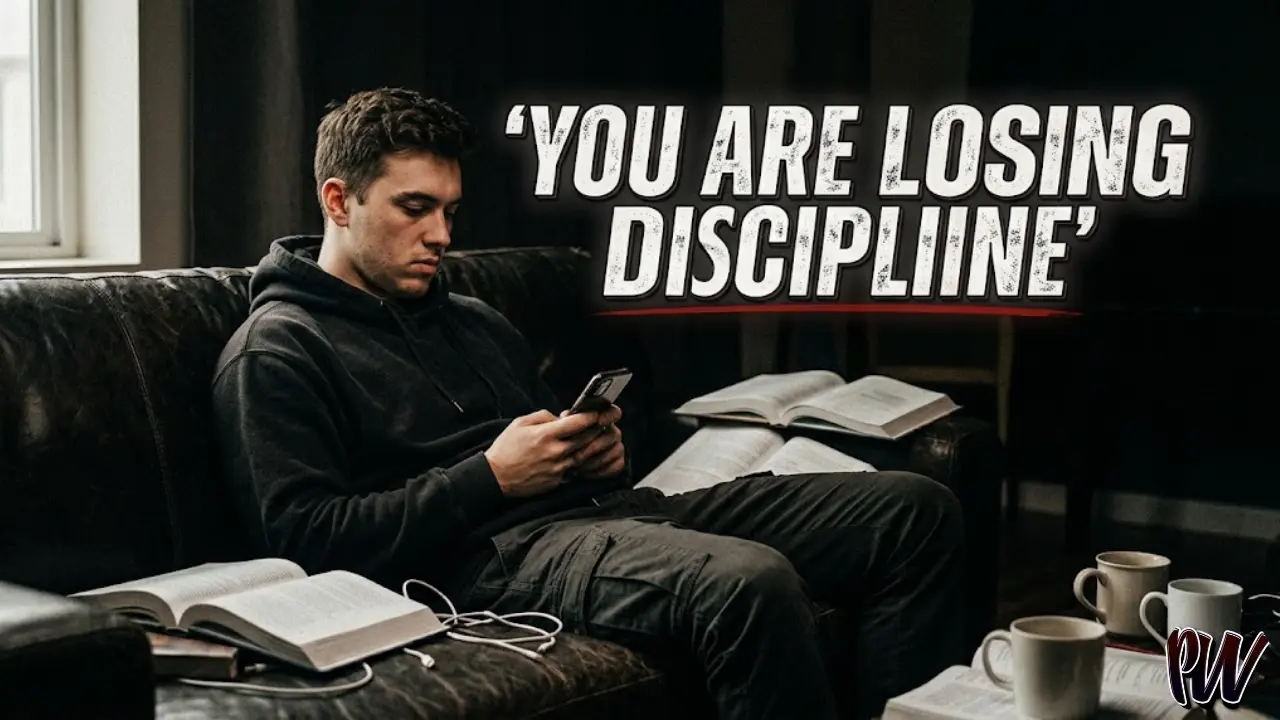

There is a difference between going through a difficult season and quietly losing spiritual discipline and that difference is not always easy to recognize in the moment.
A difficult season often still carries effort, awareness and a desire to stay aligned even when things feel heavy or inconsistent.
But loss of discipline feels different.
It does not always feel like struggle.
It often feels like ease, like things have simply become less urgent, less necessary and easier to postpone.
You are not actively deciding to move away.
You are just no longer holding the same level of intention.
And over time, that shift begins to shape your direction in ways that are easy to overlook.
Discipline Is Built in Quiet Consistency
Spiritual discipline is often misunderstood as intensity, effort or strong emotional experiences that feel powerful in the moment.
But real discipline is quieter than that.
What True Discipline Looks Like Over Time
It is not about doing everything perfectly.
It is about showing up consistently, even when it feels ordinary.
- continuing when motivation is low
- maintaining awareness when nothing feels urgent
- staying steady when emotions are neutral
Why This Matters
Because discipline is not sustained by how you feel.
It is sustained by what you repeat.
And what you repeat becomes what feels natural.
1. Begin to Depend on Motivation
One of the earliest signs of weakening discipline is a shift from consistency to feeling-based action.
What This Looks Like in Everyday Life
You start to notice that your actions depend on how you feel in the moment.
- when you feel motivated, you engage more
- when you feel tired, you step back easily
- when distractions appear, they take priority
Why This Becomes a Problem Over Time
Motivation is unpredictable.
It changes daily, sometimes even hourly.
The Deeper Impact
When structure disappears, consistency disappears with it.
And without consistency, discipline cannot remain stable.
2. Small Compromises Start to Blend
Discipline rarely disappears through major decisions.
It weakens through small compromises that feel insignificant at the time.
What These Small Changes Look Like
- postponing something you once did regularly
- skipping something “just for today” and not returning to it
- reducing effort slightly without noticing
Why This Is So Subtle
Because each compromise feels small and justified.
It does not feel like a major shift.
What Happens Over Time
Those small changes begin to repeat.
And repetition removes resistance.
Eventually, what was once an exception becomes part of your routine.
3. You Move Through Your Day
Discipline requires awareness, and awareness requires moments of reflection.
Without reflection, patterns continue unchecked.
What This Feels Like
Your day becomes automatic.
- you move from one activity to another without pause
- you do not stop to evaluate how you are thinking or responding
- everything feels continuous, but not intentional
Why This Matters
Because without reflection, there is no adjustment.
And without adjustment, patterns continue in the same direction.
The Long-Term Effect
Over time, this lack of awareness allows subtle shifts to become permanent patterns.
4. Your Attention Becomes Scattered
Discipline and focus are closely connected.
When discipline weakens, focus begins to weaken as well.
What This Looks Like in Practice
- you find it harder to stay present in what you are doing
- distractions feel stronger and more frequent
- your attention moves quickly from one thing to another
Why This Happens
Because discipline helps train your attention.
Without it, attention becomes reactive instead of intentional.
Why This Is Important
Because what you focus on consistently shapes your priorities and direction.
5. You Feel Less Internal Resistance
One of the most telling signs of losing discipline is not just what you do, but how it feels when you do it.
What This Change Feels Like
- things that once caused hesitation no longer stand out
- decisions feel easier, but not necessarily better
- you move forward without the same level of internal questioning
Why This Is Significant
Because resistance acts as a form of protection.
It slows you down and allows you to reconsider.
What Happens When It Weakens
You begin to move more freely, but with less awareness.
And without awareness, direction becomes less intentional.
Seeing the Pattern as a Whole
Each of these signs may feel small or insignificant when viewed on its own.
But when they begin to appear together, they form a clear pattern.
A Deeper Overview
| Sign | What It Indicates |
|---|---|
| Reliance on motivation | Loss of consistency |
| Small compromises | Gradual weakening |
| Lack of reflection | Unchecked patterns |
| Scattered attention | Reduced focus |
| Less resistance | Lower awareness |
Why Losing Discipline Feels Comfortable at First
One of the reasons this shift is hard to recognize is because it does not feel like loss.
It often feels like relief.
Why This Is Misleading
Because reducing effort can feel easier in the moment.
But ease does not always mean alignment.
Why People Do Not Notice
- there is no clear moment of change
- everything feels gradual and manageable
- nothing feels urgent enough to question
Why This Matters
Because what feels comfortable is not always what is helping you grow.
A Moment for Honest Self-Reflection
Instead of focusing on occasional actions, it is more helpful to look at consistent patterns.
Questions That Help You See Clearly
- Where have I become less consistent over time
- what have I started to treat as optional that once felt important
- where has my awareness decreased without me noticing
Why This Matters
Because awareness is what allows change to begin.
Without awareness, patterns continue without interruption.
Discipline Is in Many Small Ones
Spiritual discipline does not disappear suddenly.
It loosens slowly.
Through repeated patterns.
Through reduced attention.
Through small decisions that feel harmless.
The Core Truth
What you stop doing consistently, you eventually stop doing naturally.
Why This Matters
Because what is noticed early can be corrected.
What is ignored becomes part of your pattern.
And patterns, over time, shape your direction more than any single decision ever will.
You may also want to explore:
- 7 Signs Your Faith Is Quietly Getting Weaker
- 5 Things God Wants You to Do Before You Sleep Tonight
- Why Easter Is the Most Important Event in Christianity
- The Special Significance of Psalm 100 in Worship and Faith
Frequently Asked Questions
How do you know if you are losing spiritual discipline?
It usually shows through inconsistency, reduced awareness and small compromises that slowly replace what was once intentional and consistent.
What is the difference between spiritual struggle and lack of discipline?
Struggle still includes effort and desire to stay aligned, while lack of discipline feels passive, relaxed and less intentional over time.
Why does spiritual discipline fade so slowly?
Because it is built on daily habits, and when those habits weaken slightly over time, the change becomes gradual instead of obvious.
What is the first warning sign of losing discipline?
Depending more on motivation than structure, which creates inconsistency and weakens long-term stability.
Can spiritual discipline be rebuilt after it weakens?
Yes, but it requires awareness first, followed by intentional and consistent small actions over time.

4 thoughts on “5 Signs You Are Losing Spiritual Discipline”