
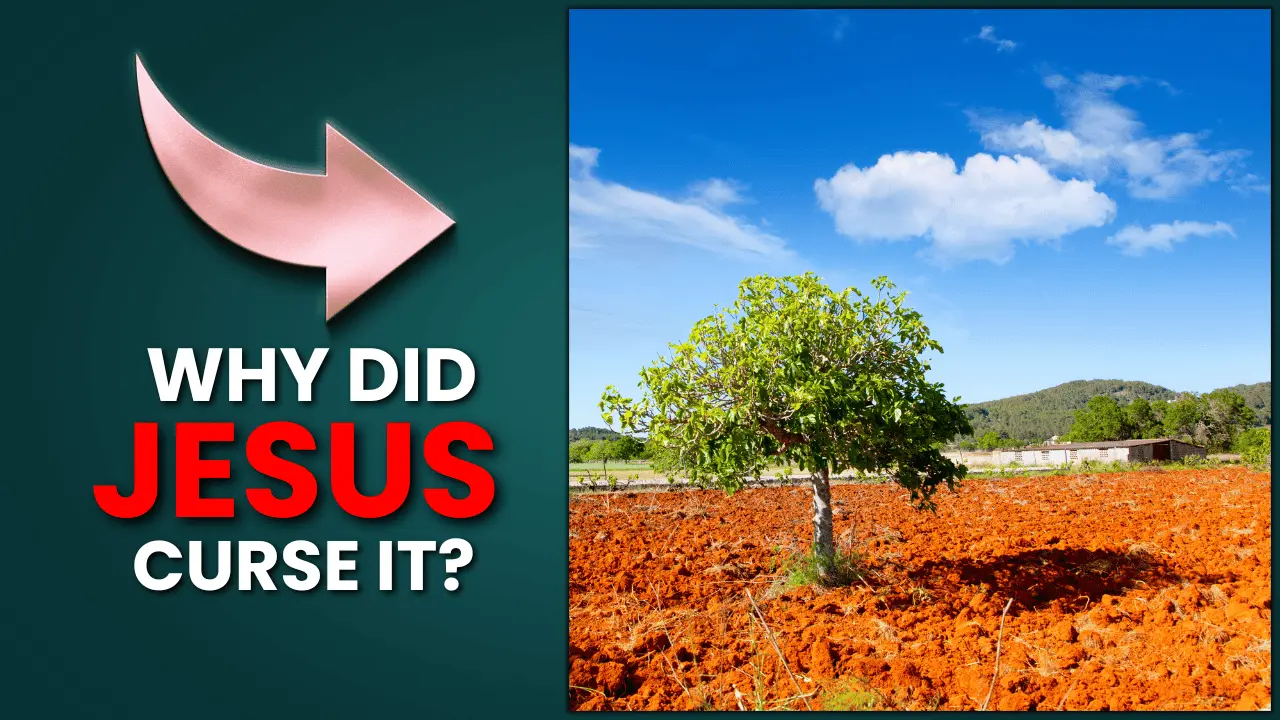

The moment Jesus cursed the fig tree has puzzled readers for centuries. At first glance, the story feels uncomfortable. Jesus approaches a tree looking for fruit, finds none, and curses it. The detail that makes the story even more confusing is that the Gospel notes it was not the season for figs. This has led many to misunderstand the passage or dismiss it as harsh and symbolic without deeper reflection.
The story of the cursed fig tree is not about Jesus being angry at a plant. It is a carefully placed act filled with spiritual meaning, prophetic warning, and deep insight into how God views fruitfulness, appearance, and spiritual responsibility.
Where the Story Appears in the Gospels
The account of Jesus cursing the fig tree appears in the Gospels of Matthew and Mark. In Mark’s Gospel especially, the event is placed between Jesus entering Jerusalem and His confrontation with the temple authorities.
This placement is not accidental. Mark uses a literary structure that sandwiches the fig tree story around Jesus cleansing the temple. This structure signals that the fig tree and the temple are meant to be interpreted together, not as isolated events.
Also Read: Why Abraham Is Called the Father of Faith in the Bible
Why Jesus Approached the Fig Tree
The fig tree had leaves, which in that culture signalled the presence of early fruit. Fig trees often produced small edible buds before the main fig season, and leaves suggested something should be there.
Jesus did not approach the tree randomly. He approached it because it appeared fruitful from a distance. The problem was not that it lacked figs. The problem was that it looked fruitful while being empty.
This distinction is central to understanding the passage.
Why “It Was Not the Season” Still Matters
The Gospel’s note that it was not fig season is intentional, not an excuse. It tells readers that this is not a lesson about agriculture. It is a prophetic sign.
Jesus was not condemning the tree for natural limitation. He was exposing a deeper truth about spiritual appearance versus spiritual reality. The fig tree symbolized something that presented signs of life but produced nothing of substance.
The Fig Tree as a Symbol in Scripture
Throughout the Old Testament, the fig tree often symbolized Israel’s spiritual condition. Prophets used fig imagery to describe fruitfulness, obedience, or judgment.
When Jesus cursed the fig tree, His Jewish audience would have recognized the symbolism. This was not random anger. It was a visual prophecy aimed at a religious system that looked vibrant but lacked genuine spiritual fruit.
Connection Between the Fig Tree and the Temple
Immediately after the fig tree incident, Jesus enters the temple and confronts corruption, hypocrisy, and empty religious practice. The connection is deliberate.
The temple had rituals, sacrifices, and outward activity, but it had lost its purpose as a place of prayer and transformation. Like the fig tree, it had leaves but no fruit.
Jesus’ curse was not directed at people randomly. It was a warning about religion without repentance, structure without substance, and appearance without obedience.
Also Read: Why the Bible Never Chooses Between Truth and Grace
Why Jesus Used Action Instead of Words
Jesus often taught through parables, but sometimes He taught through action. The cursed fig tree was a living parable.
This act forced His disciples to ask questions, wrestle with discomfort, and reflect deeply. It revealed that spiritual emptiness is not neutral. When responsibility and revelation are present, lack of fruit becomes serious.
What This Story Teaches About Spiritual Fruitfulness
The fig tree account challenges the idea that spiritual appearance is enough. Leaves are not fruit. Activity is not obedience. Religion is not relationship.
Jesus emphasized that those who know God, carry revelation, and represent Him are expected to produce spiritual fruit. This fruit includes repentance, justice, mercy, faith, and transformed lives.
Why the Fig Tree Was Cursed
One of the most important lessons in this story is that Jesus did not simply walk past the fruitless tree. He addressed it.
This shows that spiritual barrenness is not harmless when it masks itself as life. God’s concern is not weakness but pretense. The fig tree was cursed because it advertised fruitfulness it did not possess.
Does This Mean God Is Harsh or Unfair?
Some readers struggle with this passage because it feels severe. However, the story does not reveal cruelty. It reveals accountability.
Jesus consistently showed compassion toward those who were broken, honest, and repentant. His strongest warnings were directed at systems and individuals who claimed spiritual authority while remaining unfruitful.
What Modern Believers Often Miss
Many modern interpretations soften the story to avoid discomfort. In doing so, they miss its warning.
The fig tree challenges believers to examine whether faith is producing visible transformation. It invites reflection rather than fear. It asks whether spiritual life is genuine or merely performed.
Why This Story Still Matters Today
In every generation, there is a temptation to substitute spiritual image for spiritual substance. Churches can grow in activity while shrinking in compassion. Individuals can know Scripture while resisting change.
The cursed fig tree stands as a quiet but powerful reminder that God values fruit over display, obedience over appearance, and transformation over tradition.
A Thought to Reflect On
Jesus did not curse weakness. He confronted emptiness disguised as life.
The story invites honest self-examination, not condemnation. It asks a simple but uncomfortable question: Does what appears alive actually bear fruit?
Frequently Asked Questions
Why did Jesus curse the fig tree if it was not fig season?
Because the act was symbolic, not agricultural. The tree represented spiritual appearance without substance.
What does the fig tree symbolize in the Bible?
It often symbolizes spiritual condition, especially fruitfulness or lack of obedience.
Was Jesus angry when He cursed the fig tree?
The action reflects prophetic warning, not emotional anger.
Is the fig tree connected to the temple cleansing?
Yes. The two events are intentionally linked to show judgment on empty religious systems.

1 thought on “Why Did Jesus Curse the Fig Tree? The Meaning Most People Miss”