
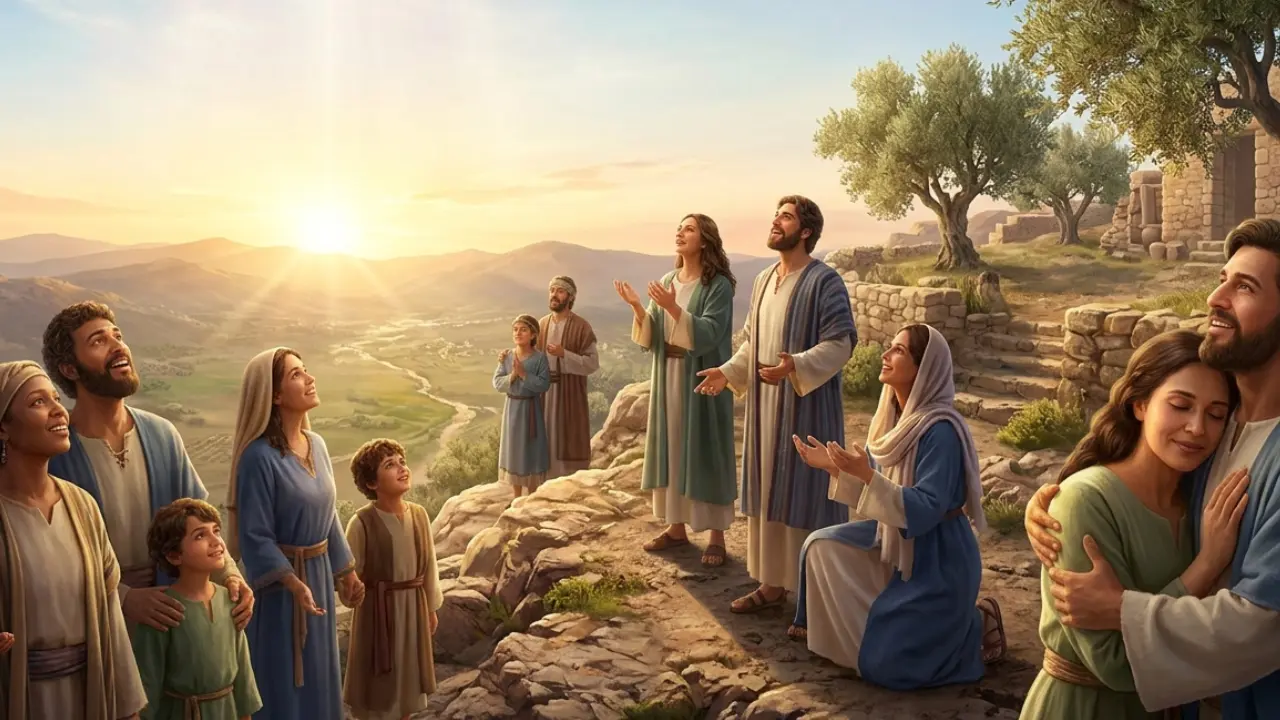

Many people quietly ask, “Why did God create us?” at some point in life. Sometimes the question comes during a season of curiosity. Other times, it comes from pain, confusion, disappointment or the feeling that life should mean more than daily survival.
This question is not small. It touches almost everything: why humans exist, why the earth matters, why free will exists, why evil is allowed, why Jesus came, why Israel matters in Scripture and why God still wants a relationship with people who often fail Him.
The Bible does not answer this question with one flat sentence. Instead, it gives a story. God creates from love, places humanity on earth with purpose, gives freedom, allows real choices, responds to sin with redemption, chooses Abraham and Israel as part of His plan, sends Jesus to restore what was broken and invites people into a relationship that changes the heart.
When someone asks why God created humans with purpose instead of making life random
(Suggested Internal Link: “What Is the Purpose of Life According to the Bible?”)
the biblical answer begins with love, continues through calling and reaches its deepest meaning in Jesus Christ.
Why Did God Want Us on Earth?
Humanity’s story begins with deliberate placement. According to Scripture, God did not place people on earth as an accident or afterthought. Earth becomes the appointed place where human beings live out their purpose, reflect God’s character, care for creation, build relationships and learn to walk with Him.
This means life on earth is not meaningless waiting. It is not merely a temporary test with no value. The world is the place where worship, work, love, responsibility, creativity, service and obedience become visible.
God Gave Humanity a Role
In the opening chapters of Genesis, human beings are created in the image of God. This does not mean humans are divine. It means people are made to reflect something of God’s nature through wisdom, moral responsibility, creativity, relationship and stewardship.
Human life has dignity because it comes from God. Work has dignity because God gave humans responsibility. Relationships matter because God created people for communion, not isolation.
This helps explain why many people feel restless when life becomes only about money, pressure, survival or routine. Deep inside, the soul often longs for more because humanity was created for more.
Many believers eventually begin searching for deeper meaning when ordinary life feels spiritually empty
(Suggested Internal Link: “Why Life Feels Empty Without God’s Purpose”)
because the human heart was never designed to live without connection to its Creator.
Earth Is the Place Where Purpose Becomes Practice
God’s purpose is not limited to church buildings, worship songs or religious language. In Scripture, ordinary life becomes meaningful when it is lived before God.
Work can become service. Family can become a place of patience and sacrifice. Friendship can become a place of love and truth. Rest can become trust. Even small acts of kindness can reflect the goodness of God.
This makes everyday life spiritually important. God did not create humans only to think about purpose. He created humans to live it.
When people learn to see ordinary daily life as part of their spiritual calling
(Suggested Internal Link: “How to Live for God in Everyday Life”)
they begin to understand that purpose is often practiced in small, faithful choices.
Why Did God Create Us?
The Bible presents creation as a gift. God did not create humanity because He was lonely, weak, incomplete or lacking worship. God is self-sufficient. He does not need creation in order to be God.
Instead, creation flows from His goodness. God creates because He is loving, generous and life-giving. Human existence begins not with accident but with divine intention.
God Created From Love, Not Need
One of the most important things to understand is that God did not create people to fill an emptiness in Himself. The biblical picture of God shows Him as complete, eternal and full of glory before creation ever existed.
That means human worth does not come from performance. It does not come from success, beauty, productivity, popularity or human approval. Human worth begins with the Creator who gave life intentionally.
This matters deeply in a world where people often measure themselves by achievement, comparison, money, appearance or attention. The Bible gives a different foundation: you matter because God made you.
Many people struggle with believing their life still has value when they feel unseen or unimportant
(Suggested Internal Link: “What Does the Bible Say About Feeling Worthless?”)
but Scripture roots human dignity in creation itself.
God Created Us to Reflect His Goodness
The Bible often speaks about glorifying God. This does not mean God created humans because He needed flattery. To glorify God means to reflect His goodness accurately.
A truthful life reflects His truth. A merciful heart reflects His mercy. Justice reflects His righteousness. Compassion reflects His love. Creativity reflects something of His beauty and wisdom.
Human beings are most alive when they reflect the One who made them. Sin distorts that reflection but God’s purpose remains. The more people grow in God’s character, the more they become what they were created to be.
This is why becoming more like God in character is central to spiritual growth
(Suggested Internal Link: “What Does It Mean to Grow Spiritually?”)
because purpose is not only about what someone does, but who they become before God.
Why Did God Send Jesus?
If God created humanity with purpose, why did Jesus need to come? The answer lies in the rupture caused by sin. Humanity was created for relationship with God but sin damaged that relationship.
Jesus came as the centre of God’s rescue plan. He did not enter history as a random religious teacher. He came to restore what humanity could not repair on its own.
Sin Created Separation
Human freedom was meant to be used in love, trust, obedience, and goodness. But when freedom is turned away from God, it becomes destructive. Sin creates distance between people and God. It also damages relationships, communities, desires and the human heart.
The Bible does not treat sin as a small mistake. Sin is a moral and spiritual fracture. It affects what people love, how they think, how they treat others and how they respond to God.
This is why many people can feel outwardly successful but inwardly disconnected. The deepest human problem is not only lack of information, discipline or motivation. It is separation from God.
When someone begins understanding why sin creates distance from God
(Suggested Internal Link: “What Does Sin Do to Our Relationship With God?”)
the mission of Jesus becomes much clearer.
Jesus Came to Restore What Was Broken
Jesus lived the life humanity failed to live. He revealed God’s character perfectly, obeyed fully, loved completely, carried the weight of sin on the cross and rose from the dead as the beginning of new creation.
Through Jesus, forgiveness becomes possible. Shame does not have to define the person. Guilt does not have to be the final word. Separation does not have to remain permanent.
The cross shows both the seriousness of sin and the depth of God’s love. The resurrection shows that evil, death and brokenness do not have the final authority.
This is why Jesus restores the broken relationship between God and humanity
(Suggested Internal Link: “Why Did Jesus Die on the Cross for Our Sins?”)
and why Christian hope rests not in human effort alone, but in God’s saving work.
Why Did God Create Satan?
This question often troubles people because it feels difficult. If God is good, why does Satan exist? The Bible shows that God created spiritual beings good but one rebelled against Him.
The problem is not that God created evil as evil. The problem is that a created being rejected goodness, truth and humility.
God Created Beings With Real Agency
Scripture presents spiritual beings as having real agency. They are not machines. Like humans, they are capable of responding to God. Satan’s rebellion is connected with pride, deception and opposition to God’s rule.
This helps explain why evil is not equal to God. Satan is not God’s opposite in power. He is a created being who rebelled. His power is real but limited. His influence is dangerous but temporary.
Many Christians struggle with understanding why spiritual evil exists if God is still sovereign
(Suggested Internal Link: “Why Does God Allow Evil If He Is Good?”)
but Scripture never presents evil as stronger than God.
Evil Is Real, But It Is Not Ultimate
The Bible does not deny evil. It names it clearly. Evil deceives, destroys, tempts, accuses and corrupts. But Scripture also places limits around evil.
Satan does not control the final story. His time is temporary. His defeat is certain. God’s kingdom remains stronger than rebellion and His plan moves toward final renewal.
This gives believers both seriousness and hope. Christians should not treat evil lightly but they also should not live as though evil has the final word.
During spiritual struggle, believers need confidence that God’s victory is greater than the enemy’s attacks
(Suggested Internal Link: “How Christians Can Stand Strong Against Spiritual Attacks”)
because biblical faith resists fear with truth.
Why Did God Choose Israel?
God’s plan to bless the world unfolds through a particular people. He chose Abraham, formed Israel, gave the covenant, revealed His law, sent prophets, preserved Scripture and brought the Messiah through this people.
This does not mean Israel was chosen because they were naturally superior. Scripture repeatedly shows that God’s choice was rooted in His promise, mercy and faithfulness.
God Chose Israel for Covenant Purpose
God’s covenant with Israel was part of a larger redemptive plan. Through Israel, God revealed His holiness, justice, mercy and faithfulness. The nation was called to live differently so that the surrounding nations could see something of God’s character.
Through Israel came the Scriptures, the promises, the temple system, the prophetic message and eventually Jesus Christ.
This means Israel’s role was not isolated from the world. It was deeply connected to God’s plan for the world.
When readers study why God chose Israel as part of His plan to bless the nations
(Suggested Internal Link: “Why Did God Choose Israel in the Bible?”)
they begin to see that election in Scripture is tied to mission.
Israel Was Chosen to Be a Light, Not a Wall
God’s choice of Israel was never meant to be selfish favouritism. The promise to Abraham included blessing for all families of the earth. Israel was chosen so that God’s truth could move outward.
This matters because the biblical story narrows before it expands. God begins with one man, forms one nation and then brings blessing to the nations through Christ.
In Jesus, the promise reaches its global purpose. The gospel moves beyond one ethnic group and invites people from every nation into God’s redemptive plan.
This is why God’s covenant with Abraham points toward blessing for the whole world
(Suggested Internal Link: “What Was God’s Promise to Abraham?”)
and why the story of Israel cannot be separated from the story of Jesus.
Why Did God Give Us Free Will?
Free will is one of the most important parts of human purpose. Love cannot be forced and still remain love. Trust cannot be programmed and still remain trust. Obedience without choice would not carry the same moral meaning.
God gave humans freedom because real relationship requires real response.
Freedom Makes Love Meaningful
If humans had no ability to choose, obedience would be automatic. Love would be mechanical. Relationship would be reduced to programming.
But God created humans with the ability to respond, trust, love, obey, reject, repent and return. This makes human life morally serious. Choices matter because people matter.
Freedom gives dignity to the human “yes” to God. It also makes growth possible. Courage, generosity, repentance, patience and faith all require agency.
Many believers wrestle with why God allows people to choose even when choices cause pain
(Suggested Internal Link: “Why Did God Give Humans Free Will?”)
but Scripture shows that forced love would not be true love.
Freedom Also Makes Evil Possible
The same freedom that makes love meaningful also makes rebellion possible. This is painful, but it is true. A world with real freedom includes the possibility of wrong choices.
Human beings often misuse freedom through selfishness, pride, greed, violence, unbelief and disobedience. That misuse creates suffering in personal lives, families, societies and history.
Yet God does not abandon humanity to the consequences of freedom. He calls, corrects, forgives, redeems and teaches people to align freedom with goodness.
This is why learning to use freedom in a way that honours God
(Suggested Internal Link: “How to Make Godly Decisions in Everyday Life”)
is a major part of spiritual maturity.
Why Did God Choose Abraham?
To launch His global plan, God starts local — with a person whose trust becomes the seed of a people and the doorway to worldwide blessing.
First Link — A Promise That Outruns One Life
God calls Abraham with a promise: land, descendants and universal blessing. Through this covenant, the storyline tightens its focus and then expands to include all peoples. For historical context on Abraham’s place in Near Eastern history, see this overview from Encyclopaedia Britannica.
Second Link — Faith as the Pattern, Not Perfection
Abraham’s legacy isn’t flawlessness; it’s trust. He believes God’s word, acts on it, stumbles at times and keeps returning. That rhythm of faith-forward living becomes the template for generations to come.
The sequence is simple but powerful:
gift → calling → freedom → failure → promise → Jesus → restoration → relationship → renewal
Frequently Asked Questions
What is humanity’s primary purpose on earth?
Humanity was created in the image of God to reflect His character—His love, justice, mercy and wisdom—and to care for creation. Earth is the intentional place where we live out this purpose through our ordinary daily choices. When we treat our daily work, family life, friendships and rest as opportunities to serve and trust God, ordinary life becomes deeply spiritual.
If God is good, why did He give us free will when it allows for evil and suffering?
God gave humans free will because genuine love, trust and relationship cannot be forced or programmed. Forced obedience would be mechanical and empty. While the freedom to choose makes love meaningful and gives human choices real dignity, it also carries the painful possibility of rebellion. Even when freedom is misused, God does not abandon us; He works to redeem and correct our choices.
Why did God send Jesus into the world?
Humanity was created for a close relationship with God but sin created a deep moral and spiritual separation that humans could not repair on their own. Jesus came as the centre of God’s rescue plan to live a perfect life, carry the weight of our sin on the cross and rise from the dead. Through Him, forgiveness is possible, shame is removed and our broken relationship with the Creator is fully restored.
Why does Satan exist, and is he equal in power to God?
The Bible teaches that God created spiritual beings with real agency and goodness but Satan rebelled against God through pride and deception. Satan is not God’s opposite in power—he is a created being whose influence is dangerous but ultimately limited and temporary. He does not control the final story and his defeat is certain under God’s sovereign rule.
Why did God choose Israel and Abraham in the Old Testament?
God did not choose Abraham and the nation of Israel out of favouritism or because they were superior to others. He chose them for a mission: to be a light to the world. Through Israel, God revealed His character, preserved Scripture and ultimately brought Jesus Christ into the world so that the promise of blessing and redemption could expand to invite people from every nation.

1 thought on “Why Did God Create Us? A Step-by-Step Guide to Purpose, Jesus, Israel, Free Will and More”