
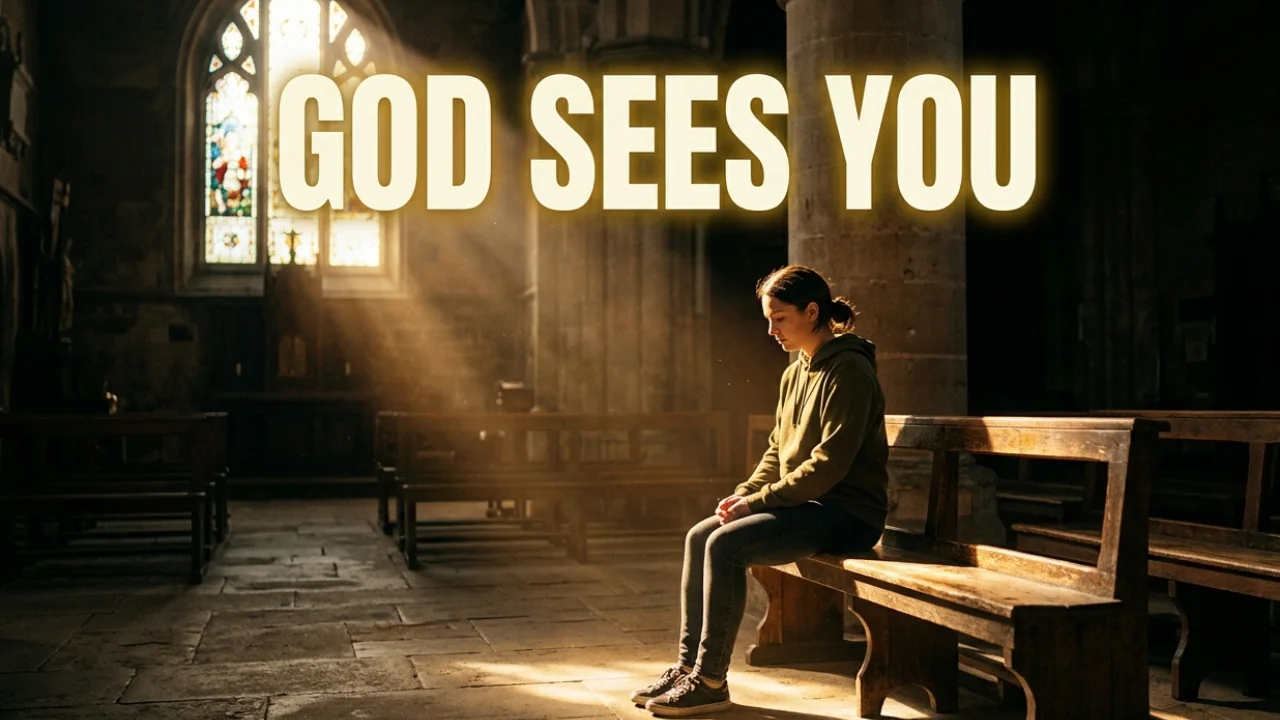

Revelation 2:9 carries a message that cuts through outward appearances and reveals a deeper spiritual reality. The verse records the words of Christ to the church in Smyrna: “I know thy works, and tribulation, and poverty, (but thou art rich) and I know the blasphemy of them which say they are Jews, and are not, but are the synagogue of Satan.”
These words are both sobering and deeply comforting. They acknowledge suffering without minimizing it. They expose false opposition without ignoring its impact. And at the centre of it all, they declare something that seems almost contradictory: those who appear poor are, in truth, rich.
This verse speaks to a common struggle. Many measure life by what can be seen—resources, status, comfort and approval. But Christ speaks from a different perspective. He sees beyond outward conditions and declares a reality that cannot be shaken by circumstances.
The Church in Smyrna
Revelation 2:9 is part of a message to the church in Smyrna, one of the seven churches addressed in the opening chapters of Revelation. Unlike some of the other churches, Smyrna receives no rebuke. Instead, it receives recognition and encouragement in the face of intense suffering.
This church lived under pressure. It faced hostility from surrounding society and experienced real loss. The mention of tribulation and poverty is not symbolic exaggeration. It reflects a lived reality.
Life Marked by Tribulation
The word “tribulation” refers to pressure, affliction and distress. It suggests a life that is constantly weighed down by difficulty. For the believers in Smyrna, faithfulness to Christ brought suffering rather than ease.
This is an important reminder that following Christ does not always lead to immediate comfort. In some contexts, it leads directly into hardship. Yet Christ does not ignore that reality. He begins by saying, “I know.”
Significance of “I Know”
This phrase carries deep meaning. Christ is not distant from the suffering of His people. He sees their works, their struggles and their circumstances. Nothing is hidden from Him.
This knowledge is not cold awareness. It is personal and attentive. The suffering of the church is not overlooked. It is fully known by the one who speaks with authority and compassion.
Poverty Conceals True Wealth
One of the most striking parts of this verse is the statement, “thou art rich.” It stands in contrast to the mention of poverty.
Outward Lack, Inward Abundance
The believers in Smyrna were materially poor. This may have been due to persecution, loss of livelihood or exclusion from society. Their faith likely cost them opportunities and security.
Yet Christ declares that they are rich. This is not symbolic exaggeration. It is a true statement about their spiritual condition. Their relationship with God, their faithfulness and their standing in Christ gave them a wealth that could not be measured in earthly terms.
Redefining Riches
This verse challenges the common definition of wealth. In many cultures, riches are tied to possessions, comfort and influence. But Scripture repeatedly points to a deeper reality. True riches are found in knowing God, belonging to Him and sharing in His promises.
The believers in Smyrna possessed something that could not be taken from them. Their earthly poverty did not diminish their spiritual inheritance. In fact, their faithfulness in hardship revealed the depth of their true wealth.
False Accusation and Opposition
Revelation 2:9 also addresses the opposition faced by the church. It speaks of “the blasphemy of them which say they are Jews, and are not.”
The Nature of the Conflict
This statement reflects a specific historical situation. There were those who claimed religious authority but opposed the followers of Christ. Their words were not only critical but blasphemous, meaning they spoke in ways that dishonoured God.
The conflict was not merely social. It was spiritual. The opposition to the church was rooted in a deeper resistance to the truth of Christ.
“The Synagogue of Satan”
This phrase is strong and must be understood carefully. It does not condemn a people group broadly. It identifies a specific opposition aligned against God’s work. The issue is not ethnicity but spiritual allegiance.
Those who opposed the church while claiming to represent God were, in reality, acting against Him. This reveals the seriousness of false religious authority. It shows that outward claims do not always reflect inward truth.
Reality of Spiritual Conflict
Revelation 2:9 pulls back the curtain on the spiritual nature of the struggles faced by believers.
More Than Human Opposition
The challenges faced by the church were not only the result of human actions. They were part of a larger spiritual conflict. This does not remove human responsibility, but it highlights the deeper dimension of the struggle.
Believers are not simply dealing with difficult people or circumstances. They are part of a broader conflict between truth and deception, light and darkness.
Strength in Knowing the True Battle
Understanding the nature of this conflict changes how it is faced. The church in Smyrna was not defeated by its circumstances because its identity was not defined by them. Its true position was secure in Christ.
This perspective provides strength. It reminds believers that their struggles are not random. They are part of a larger story in which God’s purposes are still being carried out.
Comfort Found in Christ’s Words
Despite the heavy themes in this verse, there is deep comfort woven throughout.
Seen, Known and Valued
The simple statement “I know” carries reassurance. It means that no suffering goes unnoticed. Every act of faithfulness, every moment of endurance and every hardship is fully known by Christ.
This removes the fear of being forgotten. The church in Smyrna was not overlooked, even if the world ignored or rejected it.
Different Measure of Success
The declaration of spiritual richness redefines success. The church was not evaluated by its material condition or social standing. It was measured by its faithfulness and its relationship with God.
This provides freedom from the pressure to meet worldly standards. It allows believers to focus on what truly matters.
Misunderstandings About This Verse
Because of its depth, Revelation 2:9 can be misunderstood if not read carefully.
It Does Not Glorify Poverty Itself
The verse does not suggest that poverty is inherently good. It recognizes the reality of hardship while pointing to a deeper truth. The emphasis is not on lacking material wealth but on possessing spiritual richness.
It Does Not Deny the Pain of Suffering
Christ does not dismiss tribulation as unimportant. He acknowledges it directly. The comfort of the verse does not come from denying pain but from placing it within a larger reality.
Harsh Judgment of Others
The strong language about opposition must be understood in context. It addresses a specific situation and should not be used to justify broad or careless condemnation.
Living in Light of This Truth
Revelation 2:9 speaks directly to how believers understand their own lives.
When Life Feels Empty
There are seasons when circumstances seem to strip away comfort and security. This verse reminds believers that true wealth is not lost when material things are lost. What matters most remains secure.
When Opposition Feels Overwhelming
Facing criticism, misunderstanding, or hostility can be discouraging. This verse reminds believers that such opposition is not new and not unnoticed. Christ sees and understands.
When Identity Is Questioned
The world often defines identity by visible success. Revelation 2:9 challenges that definition. It points to a deeper identity rooted in relationship with Christ.
Message of Revelation 2:9
This verse stands as a powerful reminder that reality is not always what it appears to be. Outward poverty can hide inward riches. Visible weakness can conceal spiritual strength. Present suffering can exist alongside eternal security.
Christ’s words cut through illusion and reveal truth. He sees what others cannot see. He declares what others cannot understand. And in doing so, He gives His people a foundation that cannot be shaken.
Related Posts You May Want to Read Next
Frequently Asked Questions
What does “I know thy works” mean in Revelation 2:9?
It means that Christ is fully aware of the actions, suffering and faithfulness of His people. Nothing they go through is unseen.
Why does Jesus say “thou art rich” to a poor church?
Jesus is pointing to spiritual riches. Even though the church lacked material wealth, they possessed faith, eternal life and a secure relationship with God.
What is the “tribulation” mentioned in Revelation 2:9?
Tribulation refers to the suffering, pressure, and persecution faced by the believers in Smyrna because of their faith.
Who are those that “say they are Jews and are not”?
This refers to people who claimed to represent God but opposed Christ and His followers. It highlights false religious identity.
Does Revelation 2:9 apply to Christians today?
Yes. It reminds believers that spiritual wealth is greater than material wealth and that God sees their suffering and faithfulness.
