
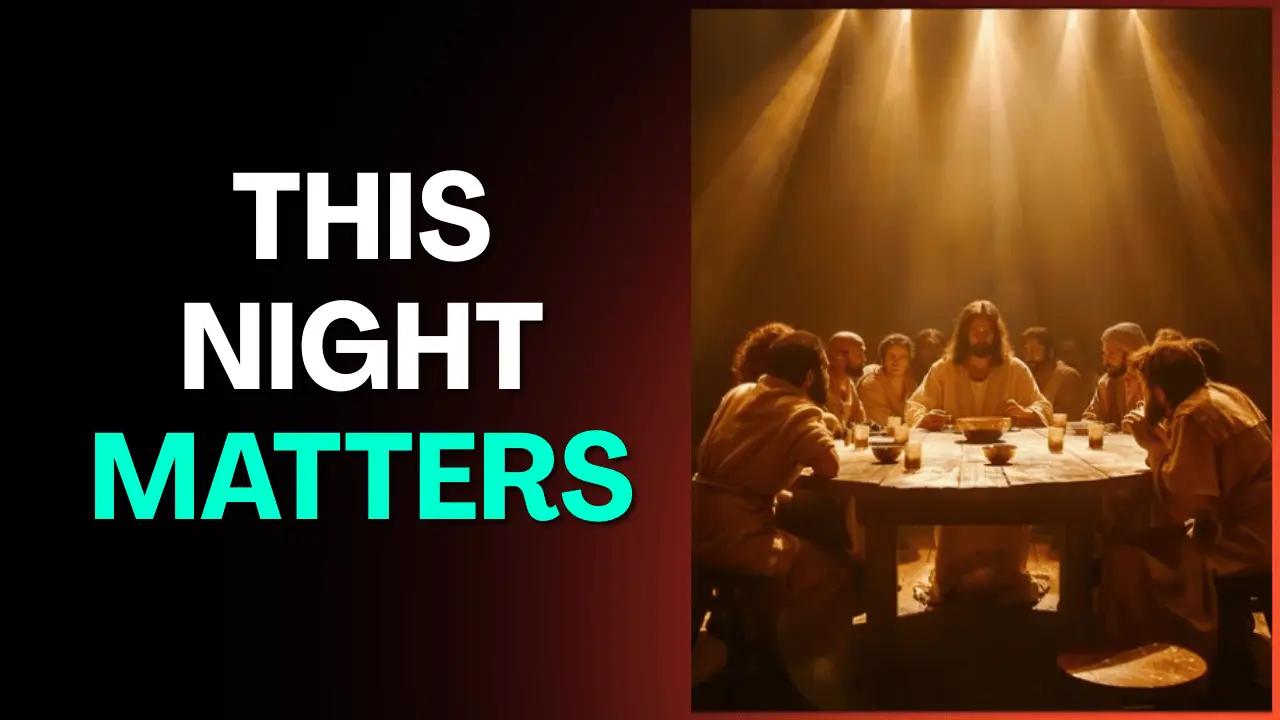

The Last Supper is one of the most recognized moments in the story of Holy Week. It has been painted, studied, remembered, and re-enacted across centuries. Yet beyond its artistic depictions and liturgical traditions, the Last Supper carries layers of meaning that shape Christian faith at its core.
It was more than a final meal. It was a turning point.
In that upper room, ordinary elements such as bread and wine were given new depth. Familiar Passover rituals were reinterpreted. Relationships were clarified. A new covenant was introduced.
Understanding the significance of the Last Supper helps illuminate why Good Friday and Easter Sunday matter so deeply.
A Meal Rooted in History
The Last Supper took place during Passover, a Jewish feast remembering deliverance from slavery in Egypt. Passover was not casual. It was rich with symbolism. Each element of the meal carried historical memory.
By choosing that setting, Jesus connected His coming sacrifice to an existing story of redemption. Passover recalled a lamb whose blood marked protection. It recalled freedom after bondage. It recalled covenant identity.
The Last Supper did not erase this history. It fulfilled and reframed it.
The timing was intentional.
Bread Reinterpreted
During the meal, Jesus took bread and gave it new meaning. Bread had always symbolized sustenance and provision. At Passover, it also represented haste and deliverance.
Yet at this meal, the bread was connected directly to His body. This shift is significant. The symbol moved from recalling past rescue to anticipating imminent sacrifice.
Bread became personal.
It was no longer only about what God had done centuries before. It pointed to what was about to unfold. The simplicity of bread underscores the accessibility of the message. Something ordinary carried extraordinary weight.
The Cup of the Covenant
In the same way, the cup was reinterpreted. Wine at Passover symbolized joy and covenant promise. At the Last Supper, it was linked to blood and a new covenant.
The phrase “new covenant” signals transition.
A covenant establishes relationship terms. In biblical history, covenants structured how God and His people related. The Last Supper introduced a new framework grounded not in repeated sacrifices but in a single, decisive act. The cup represented commitment sealed through sacrifice.
It marked both solemnity and hope.
Communion and Remembrance
One of the lasting outcomes of the Last Supper is the practice of Communion. When believers gather to share bread and cup, they echo that night.
The act is not mere ritual. It is remembrance.
Remembrance in biblical tradition is active. It brings the past into present awareness. It anchors identity in a story larger than the moment. Communion therefore connects modern believers to the upper room. It bridges time.
The Last Supper continues to shape worship across cultures and generations.
Betrayal at the Table
Significance is not found only in symbols. It is also found in the relationships present.
During the meal, Jesus announced that betrayal was imminent. The tension of that revelation deepened the moment.
The table held loyalty and treachery simultaneously.
This detail reminds readers that grace is extended even in the presence of human weakness. The meal was not cancelled because of betrayal. Love remained at the centre. The Last Supper reveals vulnerability within community.
Servanthood and Leadership
While the focus here is on the theological meaning of the meal, it is impossible to separate it from the posture of humility expressed that evening.
Leadership was redefined. Authority was expressed through service.
The significance of the Last Supper therefore includes ethical instruction. It teaches that covenant relationship is inseparable from humility and love. The meal was not only about doctrine. It was about character.
Anticipating the Cross
The Last Supper stands between public ministry and crucifixion. It prepares the disciples for what they do not yet fully understand.
The bread and cup interpret the cross before it happens.
Without the upper room, the events of Good Friday could appear abrupt and chaotic. With the upper room, they appear purposeful and foreseen. The meal frames the sacrifice.
It explains it before it unfolds.
A Covenant of Grace
The new covenant language points toward grace rather than law as the foundation of relationship. This does not diminish moral responsibility. Instead, it shifts the basis of belonging.
Believers are not connected to God through repeated ritual compliance alone. They are connected through trust in the completed work symbolized in the bread and cup. The Last Supper marks a movement from shadow to fullfillment.
It signals that something decisive is about to occur.
Community Formed at a Table
The Last Supper also highlights the importance of shared space. Faith is not purely individual. It is communal. The disciples gathered around a table. They listened together. They ate together.
The symbolism of bread broken and cup shared reinforces unity. The church continues to reflect this communal dimension. The meal is not consumed privately in isolation. It is shared.
Significance lies not only in theology, but in togetherness.
From Upper Room to Empty Tomb
The Last Supper cannot be isolated from what follows. It is connected to Gethsemane, to trial, to crucifixion, and ultimately to resurrection. The bread and cup point forward to sacrifice. The resurrection confirms its power.
Without Easter, the meal would be incomplete. Without the meal, Easter would lack context.
Together, they form a coherent narrative.
Why the Last Supper Still Matters
In a world often marked by fragmentation, the Last Supper speaks of covenant commitment and sacrificial love. It invites reflection before participation. It calls believers to examine posture and relationship.
It reminds readers that faith is rooted not in abstraction, but in embodied symbols.
Bread and cup are simple, yet profound. The upper room scene continues to shape identity, worship, and understanding of grace.
A Table That Endures
The Last Supper was a single evening in history, yet its significance stretches across centuries. It reframed Passover. It introduced a new covenant. It anticipated sacrifice. It established remembrance.
At a simple table, extraordinary meaning was revealed. When believers gather to break bread and share the cup, they remember more than a meal. They remember a promise.
The upper room still echoes.
And its meaning continues to shape faith today.
You may also want to explore:
- What Is Maundy Thursday and Why Does It Matter?
- What Did Jesus Say on the Cross?
- Ecclesiastes 3:1 Meaning — Trusting God’s Timing
- 7 Clear Signs God Is Changing You From the Inside
Frequently Asked Questions
What is the Last Supper?
The Last Supper was the final meal Jesus shared with His disciples before His crucifixion, traditionally understood as a Passover meal.
Why is the Last Supper important?
It introduced the practice of Communion and symbolized the new covenant established through Jesus’ sacrifice.
Was the Last Supper a Passover meal?
Yes, it took place during Passover and reinterpreted its symbols in light of the coming crucifixion.
Why did Jesus announce betrayal during the meal?
It revealed the reality of human weakness while emphasizing grace and purpose.
How does the Last Supper relate to Communion today?
Communion re-enacts the symbolism of that evening, serving as remembrance and spiritual reflection.

1 thought on “What Is the Significance of the Last Supper?”