
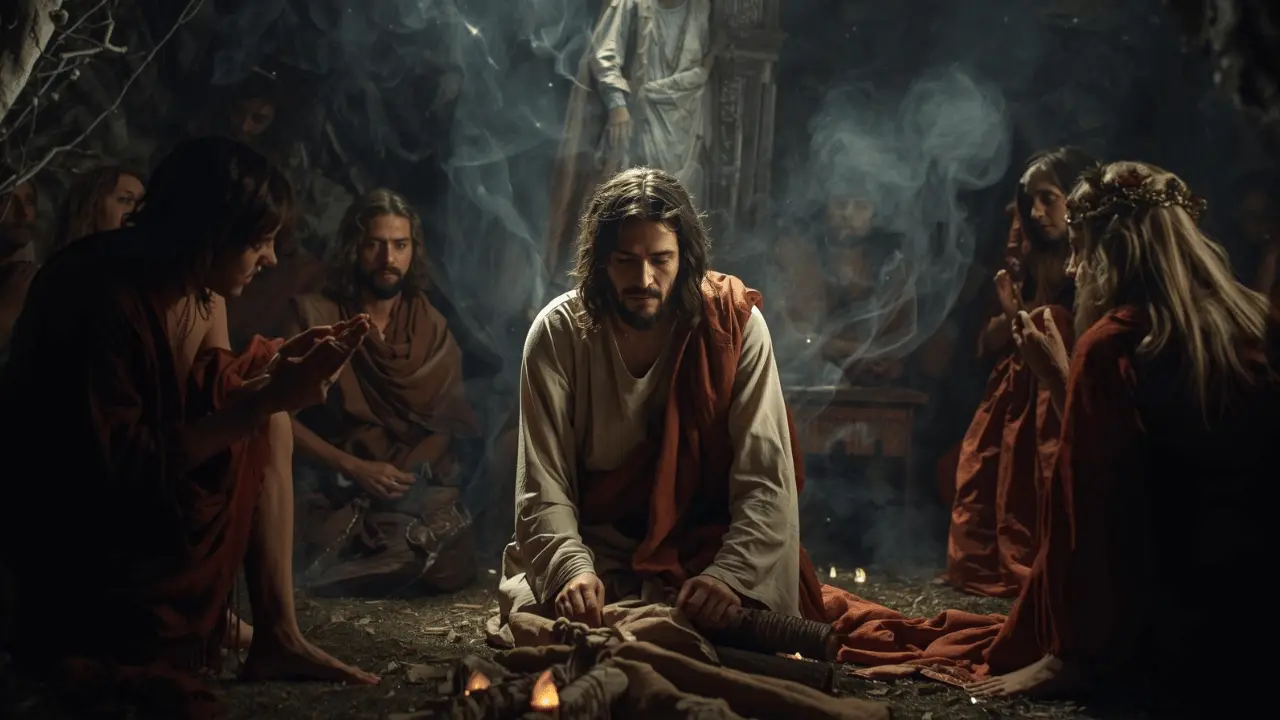

After the Last Supper, Jesus did not move immediately toward arrest or confrontation. Instead, He withdrew to a garden called Gethsemane. This moment is often overshadowed by the crucifixion, yet it reveals something deeply important about Jesus’ inner struggle, obedience, and trust in God.
Gethsemane was not a pause between major events. It was the place where the cost of obedience became fully real. What happened there shows that faith is not the absence of anguish, but the willingness to surrender even when the path ahead is painful.
What Was Gethsemane and Why Did Jesus Go There?
Gethsemane was an olive grove located on the Mount of Olives, just outside Jerusalem. The name itself is associated with pressing olives, an image that reflects the intense pressure Jesus experienced that night.
Jesus went there to pray because this place offered familiarity and solitude. It was a setting where He could speak openly with the Father before facing betrayal, trial, and death.
Also Read: The Last Supper Explained: The Night That Changed Everything
Why Jesus Asked the Disciples to Stay Awake
Jesus brought Peter, James, and John with Him and asked them to remain awake and pray. This request reveals His desire for companionship in a moment of deep distress.
Their inability to stay awake highlights human weakness in contrast to divine resolve. While Jesus prepared spiritually, the disciples struggled to remain alert, showing how fear and exhaustion often dull awareness during critical moments.
The Emotional Weight of Jesus’ Prayer
The Gospels describe Jesus as being overwhelmed with sorrow to the point of distress. This language emphasizes that His suffering was not only physical but emotional and spiritual.
Jesus did not hide His anguish. His prayer shows honest vulnerability, revealing that experiencing fear and sorrow does not negate faith or obedience.
“If It Is Possible, Let This Cup Pass” Explained
When Jesus asked for the cup to pass, He was not expressing reluctance to obey. He was acknowledging the full weight of what lay ahead.
The “cup” symbolized suffering, judgment, and separation. Jesus’ prayer reflects a genuine human desire to avoid pain while still submitting fully to God’s will.
Submission, Not Escape, Defined Obedience
Jesus’ prayer did not end with avoidance. It ended with surrender. “Not my will, but yours be done” defines obedience at its deepest level.
This moment shows that obedience is not blind acceptance. It is trust expressed even when understanding is incomplete and the cost is high.
Why Jesus Prayed the Same Prayer Repeatedly
Jesus returned to prayer multiple times, repeating His request and surrender. This repetition reflects the intensity of the moment rather than doubt.
Prayer in Gethsemane was not about changing God’s plan. It was about aligning the human will with divine purpose through persistence.
Also Read: The City of Gath: Archaeology Behind Goliath’s Home
The Disciples’ Sleep and Human Limitation
While Jesus prayed, the disciples slept. This detail is not included to shame them, but to reveal human frailty.
Jesus acknowledged their weakness with compassion, stating that the spirit was willing but the flesh was weak. This contrast highlights the difference between intention and endurance.
The Physical Signs of Stress
The Gospel of Luke records that Jesus’ sweat became like drops of blood. While debated, this description aligns with a rare medical condition associated with extreme stress.
This detail emphasizes that Jesus’ suffering was real and embodied. His obedience was not theoretical, but costly at every level.
Gethsemane as the Turning Point
Gethsemane marks the moment when resistance ended and surrender was complete. After prayer, Jesus rose with calm resolve and did not attempt escape.
From this point forward, He faced arrest, trial, and crucifixion without hesitation. The battle had already been fought in prayer.
Why Gethsemane Matters for Understanding Jesus
This moment reveals Jesus’ full humanity. He experienced fear, sorrow, and distress, yet chose obedience.
Gethsemane shows that Jesus understands human struggle from within, not from a distance. His obedience was forged in suffering, not ease.
What Gethsemane Teaches About Prayer
Prayer in Gethsemane was not about quick answers or emotional relief. It was about endurance, honesty, and surrender.
This challenges modern expectations of prayer. Sometimes prayer does not remove the burden. It strengthens the one who must carry it.
The Quiet Strength That Followed the Prayer
After Gethsemane, Jesus spoke less and endured more. His strength came not from confrontation, but from submission.
This shift shows that prayer can transform fear into resolve, even when circumstances remain unchanged.
Also Read: What Are Emotional Needs According to the Bible?
Final Reflection
Gethsemane reveals that obedience often begins where comfort ends. Jesus did not face the cross impulsively or emotionally detached. He faced it having wrestled deeply and surrendered fully.
The garden stands as a reminder that faith does not deny pain. It brings pain honestly before God and chooses trust anyway. In Gethsemane, obedience was sealed long before the nails were driven.
People Also Ask
What happened in the Garden of Gethsemane?
Jesus prayed intensely before His arrest, expressing sorrow and surrendering His will to God as He prepared to face crucifixion.
Why did Jesus pray in Gethsemane?
Jesus prayed to seek strength, express His anguish honestly, and submit fully to God’s will before His suffering.
Why did the disciples fall asleep in Gethsemane?
They were physically exhausted and spiritually unprepared, highlighting human weakness in moments of pressure.
Why is Gethsemane important in Christianity?
Gethsemane reveals Jesus’ humanity, obedience, and trust in God, showing that surrender often precedes victory.

1 thought on “What Really Happened in Gethsemane the Night Before the Cross”