
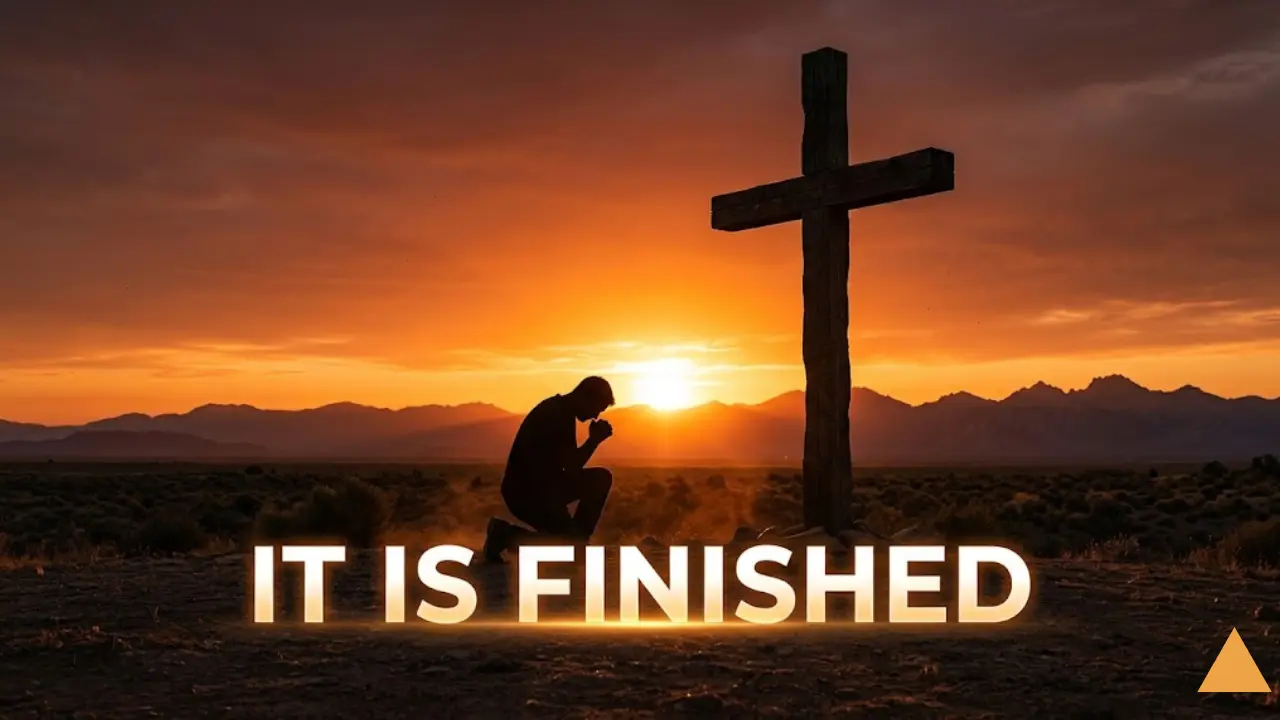

At first glance, it appears simple. Just three words. But when understood deeply, it represents completion, fullfillment and finality. It marks a moment where something that had been in process reaches its full and intended end.
When people search for the meaning of “it is finished”, they are often trying to understand why such a short statement carries so much significance. The answer lies in what it represents. It is the exact point where process becomes completion, where effort becomes fullfillment and where expectation becomes reality.
These words are not emotional or uncertain. They are clear and decisive. They reflect certainty, not doubt. There is no hesitation in them. They communicate that nothing has been left incomplete, nothing has been overlooked and nothing remains unfinished.
There is also a deeper transition contained within this moment. Everything before these words was part of a process. Everything after them exists in the reality of completion. That shift is what makes this statement so powerful. It defines a clear boundary between what was in progress and what is now fully accomplished.
What “It Is Finished” Really Means
“It is finished” does not mean something has stopped suddenly. It means something has been fully completed.
At a deeper level, this statement points to fullfillment rather than interruption. Stopping can happen at any stage, even when something is incomplete or unresolved. But finishing carries a very different meaning. It indicates that the process has reached its intended end, exactly as it was meant to.
There is a clear distinction here. Stopping leaves questions. Finishing removes them. Stopping may require returning later. Finishing requires nothing further. This is what gives the phrase its depth and clarity.
This declaration reflects a state where nothing is left pending or unfinished. It shows that every part of the work has been carried through completely, without omission or delay. There is no sense of “almost done” or “still in progress.” Everything has reached its full conclusion.
This phrase reflects:
- full completion
The work has been carried out entirely without leaving any part unfinished or incomplete. - nothing missing
There are no gaps, no overlooked details and no elements left behind. - nothing remaining
There is no further action required. Nothing is waiting to be added or continued. - nothing needing repetition
What has been completed does not need to be done again. It stands fully accomplished as it is.
It represents a state where the work is not partial or ongoing. It is fully accomplished. There is a sense of finality and clarity that removes all uncertainty.
This understanding also reveals why the phrase carries such significance. It is not simply describing an action. It is defining a completed reality where everything that needed to happen has already been fulfilled.
The Deeper Meaning Behind the Phrase
The depth of this statement goes beyond simple completion. It carries the idea of something fully accomplished, settled and brought to its intended conclusion.
It reflects:
- a task completed without error
- a process fulfilled without interruption
- a purpose carried through to the end
This means there is no need to revisit or redo anything. What has been done is complete in itself.
Why Completion Is So Important
Completion brings clarity. It removes uncertainty and replaces it with definition.
Without completion, things remain open and unresolved. They continue to occupy attention and create pressure. With completion, there is closure.
Completion creates:
- peace after effort
- clarity after confusion
- stability after uncertainty
- direction for what comes next
This is why the phrase carries such weight. It represents the moment where effort meets fullfillment.
Difference Between Ending and Finishing
Ending vs Finishing
| Aspect | Ending | Finishing |
|---|---|---|
| Nature | Stops suddenly | Completes fully |
| Result | Leaves questions | Brings clarity |
| Feeling | Uncertainty | Peace |
| Meaning | Incomplete | Fulfilled |
This phrase reflects finishing, not just ending. That is what makes it powerful.
What “It Is Finished” Teaches About Life
This statement is not only about a moment in Scripture. It reflects a principle that applies to everyday life.
Unfinished tasks do more than remain incomplete. They create mental clutter, reduce focus and weaken confidence. When too many things are left open, it becomes difficult to move forward with clarity. This is why completion is not just practical—it is essential for stability and direction.
Many people start things but do not finish them. This leads to unfinished cycles, confusion and lack of direction. Over time, this pattern can create frustration because effort does not lead to fullfillment.
This phrase teaches:
- the importance of finishing what is started
Starting is easy, but finishing requires commitment. This principle encourages consistency beyond initial motivation ensuring that effort leads to real results. - the value of completing responsibilities
Responsibilities are not only about taking action but about bringing that action to completion. This builds reliability and trust in both personal and practical areas of life. - the need for clarity and closure
Completion creates clear boundaries. It allows you to know when something is done so you can move forward without carrying unresolved tasks. - the strength required to reach the end
Finishing often requires more strength than starting. It involves persistence, discipline and the ability to continue even when progress feels slow.
This insight transforms how daily life is approached. It shifts the focus from constant activity to meaningful completion. Instead of doing more, it encourages finishing what matters.
Over time, living with this principle creates structure, reduces confusion and builds a stronger sense of direction.
Why People Struggle With Completion
Completion is often harder than starting. Starting is driven by motivation, but finishing requires endurance.
Common reasons people struggle:
- loss of motivation
- distractions
- fear of failure
- lack of direction
This creates a pattern where things remain incomplete.
The Peace That Comes With “It Is Finished”
One of the most important outcomes of completion is peace. When something is fully finished, it no longer creates pressure.
At a deeper level, this peace comes from resolution. Unfinished things tend to stay active in the mind. They create reminders, questions and a sense of something still needing attention. This ongoing tension can quietly affect focus and clarity. Completion removes that tension because nothing is left pending.
There is no need to revisit it, fix it or continue it. It is settled. That sense of being settled is what makes this peace different. It is not dependent on circumstances or temporary relief. It is grounded in the fact that everything has reached its proper end.
This kind of peace also creates mental space. When something is completed, it no longer occupies attention. It allows you to shift focus forward without being pulled back into what has already been done. This leads to greater clarity and a stronger sense of direction.
This peace is different from temporary relief. Temporary relief comes from a pause or a break but the issue may still remain. The peace connected with completion is stable and lasting because nothing is left unresolved.
It also builds confidence. Knowing that something has been fully brought to completion reinforces the ability to finish future responsibilities. It creates a pattern where effort leads to closure, and closure leads to calm.
In this way, completion does more than end a process. It establishes a state of rest, clarity and lasting peace.
Living With a Completion Mindset
A completion mindset focuses on finishing, not just starting. It values clarity over constant activity.
This mindset includes:
- completing tasks before starting new ones
- avoiding unnecessary repetition
- letting go of what is already finished
- moving forward with clarity
How to Apply This Meaning in Daily Life
Understanding this phrase becomes valuable when it is applied.
At a deeper level, this principle is not meant to remain theoretical. It is meant to shape daily habits, decisions and patterns of thinking. When applied consistently, it changes how you approach responsibilities, manage time and handle unfinished situations.
Many people live with constant activity but little completion. They move from one task to another without bringing things to a clear end. This creates pressure, distraction and lack of direction. Applying this principle shifts the focus from doing more to finishing well.
- finish what you begin
This builds discipline and reliability. Completing what you start creates a sense of progress and strengthens your ability to follow through. It also prevents accumulation of unfinished tasks. - avoid leaving things incomplete
Incomplete work often creates mental clutter. It occupies attention and reduces focus. Being intentional about finishing tasks helps maintain clarity and control. - recognize when something is done
Not everything needs to be extended or revisited. Knowing when something has reached completion prevents unnecessary repetition and wasted effort. It allows you to move forward with confidence. - release what no longer needs attention
Holding onto completed tasks, past situations or resolved issues creates unnecessary weight. Letting go is part of completion. It frees your focus and energy for what is next.
These simple actions create structure and reduce confusion. Over time, they develop a pattern of clarity where responsibilities are handled with intention and brought to completion without delay.
Applying this meaning daily transforms how life is managed. It replaces constant activity with purposeful progress and turns effort into clear outcomes.
When Completion Changes Everything
There comes a point where completion changes direction. It marks the end of one phase and the beginning of another.
This transition creates clarity. It allows movement forward without being tied to what is already done.
More Articles to Reflect On
Frequently Asked Questions
Does “It is finished” mean nothing more is needed
Yes, it reflects that everything required has already been accomplished.
How does “It is finished” apply to life
It encourages finishing tasks, avoiding unfinished cycles and recognizing when something is complete.
Why do people find this phrase powerful
Because it represents certainty, closure and peace after completion.
What can we learn from “It is finished”
It teaches the importance of completion, clarity and finishing what is started.
Why is “It is finished” important
It represents completion, fullfillment and finality, marking the end of a process with nothing remaining.
