
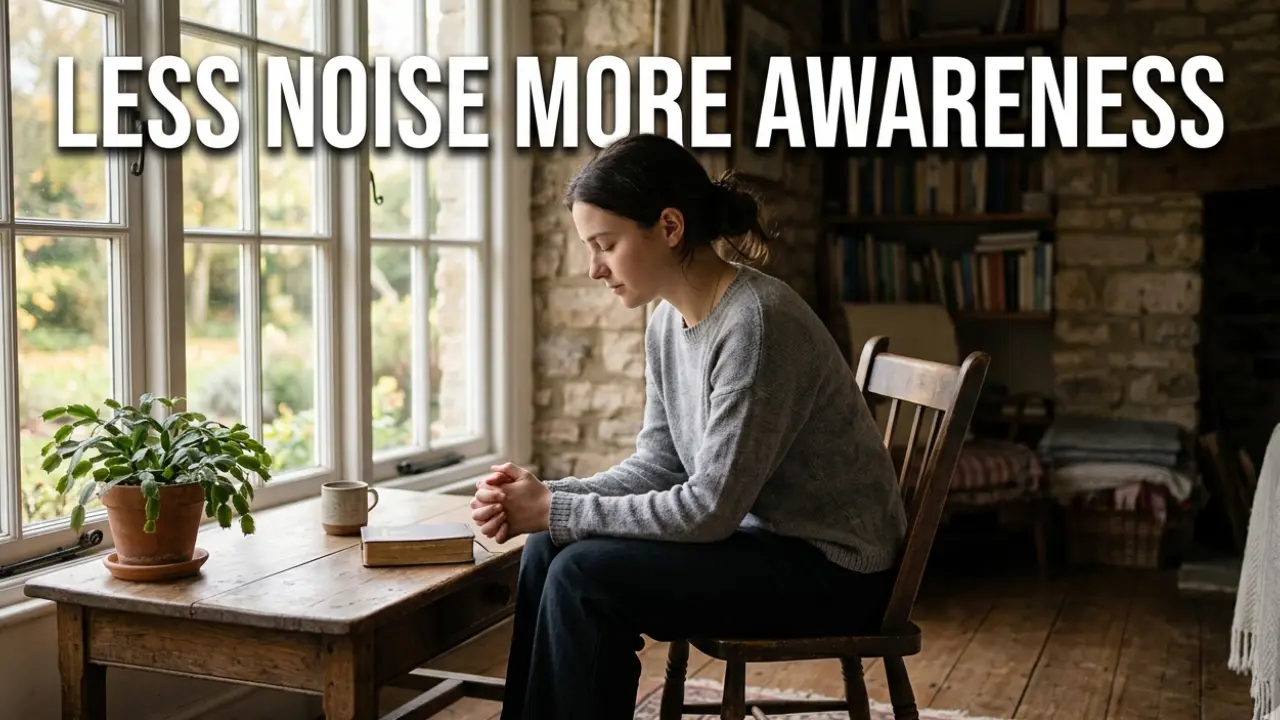

Fasting is often seen as a physical practice connected to health, religion or self-discipline but its effects usually reach much deeper than the body. For many people, fasting becomes an emotional and spiritual experience that changes the way they think, feel and connect with themselves. When daily comforts are reduced intentionally, even for a short period of time, the mind begins to slow down and the heart becomes more aware. Thoughts become clearer, emotions feel stronger and spiritual reflection naturally starts to take more space in a person’s life.
In today’s world, people are surrounded by constant stimulation. Phones never stop buzzing, social media keeps attention occupied, work schedules remain exhausting and entertainment fills almost every quiet moment. Because of this, many individuals rarely experience real stillness anymore. Life becomes a cycle of rushing from one task to another without enough time to reflect on emotional well-being, spiritual needs, or inner peace. Over time, this constant noise can create a feeling of emptiness or disconnection without people fully understanding why they feel that way.
Fasting interrupts that cycle in a powerful and deeply personal way. It creates a pause in normal routines and removes some of the distractions people rely on every day. At first, the body notices the change through hunger or discomfort, but eventually the mind begins to notice something deeper happening internally. Many people discover emotions they have ignored, habits they were unaware of, and thoughts that had been buried beneath busyness for a long time. In a biblical sense, this deeper purpose is one reason many believers want to understand [why fasting works beyond the physical act — Why Fasting Works Biblically].
This is one reason fasting has remained meaningful throughout history and across many spiritual traditions. It is not simply about avoiding food. It is about creating space for awareness, reflection, humility, gratitude, and spiritual focus.
What Fasting Quietly Reveals
Fasting often reveals the difference between what the body asks for and what the soul has been missing. Sometimes a person thinks they are only hungry for food, but during stillness, they realize they are also hungry for peace, forgiveness, direction or a deeper connection with God.
For centuries, people from different cultures and religions have practiced fasting as a way to become spiritually stronger and emotionally clearer. Even outside religious traditions, many individuals today use fasting to reconnect with themselves mentally and emotionally. What makes fasting so powerful is not only the act of restraint itself, but the awareness that develops during the process. When external distractions become quieter, the inner world becomes much easier to hear.
Why Fasting Feels Spiritually Powerful
One of the main reasons fasting affects people so deeply is because it temporarily removes comfort. Comfort itself is not harmful, but modern life encourages constant comfort and instant gratification. Most people are used to satisfying cravings immediately, whether those cravings involve food, entertainment, shopping, scrolling through social media, or avoiding uncomfortable emotions. Over time, these habits become automatic, and many individuals stop noticing how dependent they have become on constant stimulation.
Fasting changes that pattern by introducing intentional restraint. Suddenly, the mind cannot respond to every craving instantly. At first, this can feel uncomfortable because hunger and discomfort naturally demand attention. However, after some time, many people begin to realize that fasting is teaching them much more than physical discipline. It teaches awareness.
First Lesson of Fasting
The first lesson is not hunger. The first lesson is attention. Fasting makes you notice what normally controls your time, mood, thoughts, and reactions.
Without constant consumption, thoughts begin to slow down. Emotional reactions become easier to notice. People start recognizing how often they use comfort to escape stress, boredom, sadness, or anxiety. Instead of distracting themselves automatically, they are encouraged to sit with those feelings and understand them more honestly. This process can feel challenging, but it is also deeply transformative because spiritual growth often begins with self-awareness. In this way, fasting becomes closely connected to [recognizing what the heart truly depends on — Why Fasting Strengthens Dependence on God].
Fasting also creates a unique sense of stillness. In everyday life, people are usually so distracted that they rarely spend time listening to their own thoughts carefully. During fasting, however, silence starts to feel more meaningful. Many individuals naturally begin reflecting more deeply about their lives, relationships, habits, and spiritual direction. Questions that once stayed hidden beneath busy routines suddenly rise to the surface. People may begin asking themselves whether they are truly happy, whether they are living according to their values, or whether they have become disconnected from the things that matter most.
A simple question during fasting
During a fast, ask yourself: “What am I reaching for when I feel uncomfortable?” This one question can reveal whether your heart is seeking comfort, escape, control, healing, or spiritual closeness.
In many ways, fasting creates the silence necessary for spiritual clarity to appear.
Another reason fasting feels spiritually powerful is because it teaches the difference between need and desire. Hunger reveals how often people react to emotional cravings rather than genuine needs. Many daily habits are driven not by necessity but by routine, boredom, stress, or emotional emptiness. When fasting removes the ability to satisfy every desire immediately, people begin understanding themselves more deeply. They realize that discomfort is temporary and that they are stronger than many of the impulses controlling their daily behavior.
This realization often leads to greater patience, stronger self-control, and reduced attachment to material comfort. People begin appreciating simplicity again. Things that once felt ordinary suddenly become meaningful. A simple meal feels special after hours of fasting. A glass of water feels refreshing in a completely different way. These small experiences create humility and gratitude that are difficult to develop through comfort alone.
How Fasting Strengthens Self-Awareness
One of the most important spiritual effects of fasting is increased self-awareness. In normal daily life, people often move through routines without paying close attention to their emotional state. Responsibilities, work pressure, entertainment, and distractions keep the mind occupied constantly. Because of this, emotions are often buried rather than understood. Fasting changes that by slowing life down and making inner experiences more visible.
As the body adjusts to fasting, emotions often become stronger and easier to recognize. Some people notice irritability appearing quickly when they feel uncomfortable. Others become aware of stress or emotional exhaustion they had ignored for months. Some individuals discover feelings of sadness, loneliness, or anxiety that had been hidden beneath constant activity and distraction. While this emotional sensitivity can feel uncomfortable at first, it also creates an opportunity for healing and understanding.
Discomfort can be a doorway
Discomfort during fasting is not always a sign that something is wrong. Sometimes it is the doorway into deeper honesty. It shows where patience is weak, where emotions are unhealed, and where the heart needs more attention.
Instead of escaping emotions through food or entertainment, fasting encourages people to observe those emotions honestly. This honesty is spiritually valuable because growth rarely happens without self-reflection. When individuals become aware of emotional patterns, they gain the ability to change them intentionally. A person may realize they become impatient too easily or rely on distractions whenever life feels difficult. Another may notice how disconnected they have become from spiritual practices or relationships that once mattered deeply to them.
Fasting acts almost like a mirror. It reveals parts of the inner self that are often hidden beneath comfort and routine. This is why many people describe fasting as emotionally intense. It does not only affect the body; it also exposes emotional habits, fears, weaknesses, and desires that everyday busyness often hides. That hidden inner response is part of [what fasting reveals about the human heart — What Fasting Reveals About the Human Heart].
At the same time, fasting can also reveal positive qualities people did not realize they possessed. Many individuals discover inner strength, resilience, patience, and emotional endurance during fasting periods. They begin understanding that they are capable of handling discomfort without immediately escaping it. This realization builds confidence and emotional maturity over time.
What to notice while fasting
Notice when your mood changes. Notice what triggers impatience. Notice what thoughts repeat often. These small observations can become powerful clues about your inner life.
Another important effect of fasting is that reflection starts happening more naturally. Because distractions are reduced, the mind has more room to think deeply. Many people spend more time praying, meditating, journaling, or simply sitting quietly with their thoughts during fasting periods. In these moments of stillness, spiritual reflection often becomes more meaningful and emotionally powerful.
People may begin thinking about questions they normally avoid, such as what truly matters in life, what kind of person they want to become, or what changes they need to make for their emotional and spiritual well-being. These reflections can become life-changing because they encourage intentional living rather than automatic routines.
Discipline Vs Spiritual Growth
Spiritual growth has always been closely connected to discipline, and fasting strengthens discipline in a direct and practical way. Every fast involves intentional restraint. Each moment of resisting a craving teaches patience and self-control. In a culture built around instant gratification, this lesson becomes incredibly valuable.
Most people are used to reacting immediately whenever discomfort appears. If they feel bored, they seek entertainment. If they feel stressed, they look for distraction. If they crave something, they satisfy it instantly. Fasting interrupts these automatic reactions and teaches people how to pause before responding.
Power of the pause
The pause is one of fasting’s greatest gifts. It creates a small space between desire and action. In that space, a person can choose patience instead of impulse, prayer instead of panic, and reflection instead of reaction.
That pause may seem small, but spiritually it is extremely important because it creates awareness and intentionality. Instead of living according to every impulse, fasting teaches people how to make conscious decisions about their behavior. Over time, this process strengthens emotional discipline and mental resilience.
Many individuals notice that the discipline developed during fasting begins affecting other areas of life as well. They may become more patient during stressful situations, more thoughtful during conversations, or more emotionally balanced when dealing with challenges. Some people notice improvements in anger management or impulsive behavior because fasting trains the mind to tolerate discomfort without reacting immediately. This is why fasting can become one of the most practical ways of [building spiritual discipline through restraint — How Biblical Fasting Builds Spiritual Discipline].
Fasting also strengthens spiritual consistency. During busy periods of life, many people struggle to maintain spiritual habits such as prayer, meditation, gratitude, or reflection. Distractions often consume most of their attention and energy. Fasting creates space for these practices to feel meaningful again.
Replace, don’t just remove
A spiritually focused fast is not only about removing food or comfort. It is also about replacing that space with prayer, reflection, gratitude, kindness, or quiet time with God.
Because the mind becomes quieter during fasting, spiritual activities often feel more emotionally connected and sincere. Prayer feels deeper. Gratitude feels more genuine. Reflection becomes more honest. Instead of rushing through spiritual routines mechanically, people become fully present while practicing them. This emotional presence is one reason fasting often feels spiritually renewing.
Gratitude and Compassion
One of the most beautiful changes fasting creates is a stronger sense of gratitude. In normal life, constant comfort can make people emotionally numb to everyday blessings. Food, water, safety, rest, and convenience become so normal that they are rarely appreciated fully. Fasting changes that perspective completely.
After hours of hunger, even simple things begin to feel valuable again. A small meal feels deeply satisfying. Water feels refreshing in a way that is difficult to describe unless experienced personally. Rest feels comforting, and ordinary routines suddenly carry emotional meaning. These moments remind people how much they usually take for granted.
Gratitude becomes real
Gratitude is easy to talk about when everything is comfortable, but fasting makes gratitude feel real. It turns ordinary blessings into something the heart can recognize again.
This renewed gratitude often spreads beyond physical comfort. People begin appreciating relationships, health, quiet moments, family conversations, and even simple peace of mind more deeply. Instead of constantly focusing on what is missing from life, fasting encourages people to notice what they already have.
Fasting can also increase compassion toward others. Experiencing hunger, even temporarily, creates a small understanding of the discomfort many people around the world face daily. This experience often makes individuals more empathetic and emotionally connected to the struggles of others.
As compassion grows, many people feel inspired to help others more intentionally. They may become more generous, more patient, or more willing to support people in need. This is one reason many spiritual traditions connect fasting with charity and kindness. Spiritual growth is rarely complete without compassion because true awareness naturally increases concern for others.
Let fasting become kindness
A meaningful fast should soften the heart, not harden it. If fasting makes a person more aware, more grateful, and more compassionate, then the spiritual focus of the fast is working in a beautiful way.
Frequently Asked Questions
Why does fasting affect emotions?
Because fasting slows routine comforts and exposes thoughts and emotions that are often buried beneath busyness.
How does fasting help spiritual growth?
It helps people become more aware of dependence, habits, priorities, and the condition of the heart.
Why is fasting connected to prayer in the Bible?
Because fasting naturally redirects focus toward God and makes prayer more intentional.
Does fasting make someone closer to God automatically?
No. The outward act alone does not create spiritual growth. The heart and intention matter deeply.
Can fasting help with mental clarity?
Many people experience greater mental stillness and awareness during fasting because distractions are reduced.
