
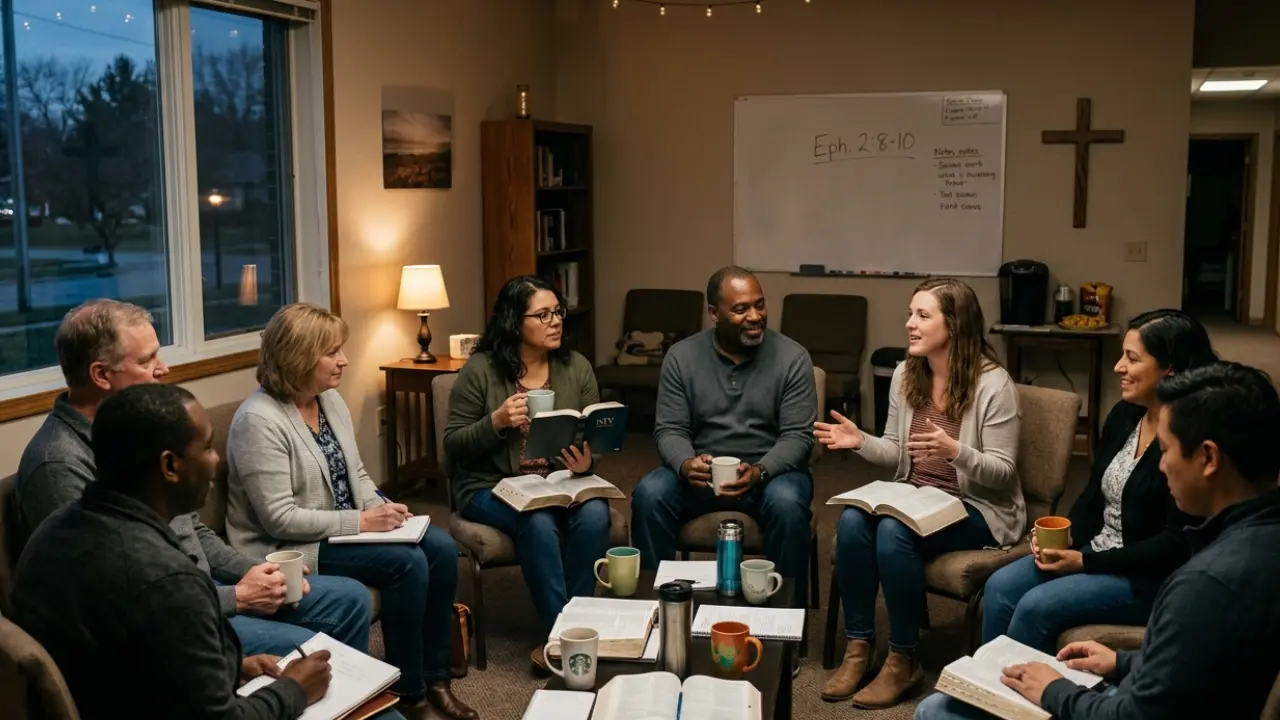

Across the United States, many churches are discovering that community is not returning through large productions or dramatic reinventions. Instead, it is growing quietly through small and deeply personal efforts that make people feel seen again. In cities, suburbs, and rural towns alike, pastors and volunteers are focusing less on scale and more on connection. Potluck dinners are filling fellowship halls again, small prayer circles are meeting during weekday evenings and church members are checking on neighbors with renewed intention. These simple acts may appear ordinary, yet for many congregations they are becoming the foundation of [spiritual renewal through everyday church life — How Churches Are Rediscovering Spiritual Renewal in Everyday Community].
Why Churches Are Rebuilding Community
In recent years, countless Americans have experienced a growing sense of isolation even while remaining digitally connected. Many people drifted away from regular in-person relationships, including church involvement, without fully intending to. Some felt emotionally exhausted by political division, financial uncertainty or personal hardship. Others struggled with disappointment or spiritual fatigue after difficult seasons in their families and communities. Churches have noticed that people are not necessarily searching for polished programs first. Many are searching for warmth, consistency and [genuine human presence in church communities — Why Belonging Matters More Than Programs in Modern Churches].
What Churches Are Noticing
- More people asking for smaller group settings
- Increased interest in prayer gatherings
- Families looking for personal relationships rather than large events
- Young adults seeking honest conversations about faith
- Greater openness around emotional struggles and loneliness
These changes may appear subtle at first but together they reveal a broader shift in what many Americans are longing for spiritually. Churches that once focused heavily on attendance numbers are now paying closer attention to connection and emotional belonging. In many congregations, the goal is becoming less about creating impressive experiences and more about helping people feel known. That shift is reshaping church culture in quiet but meaningful ways.
Small Gatherings Matter More
In many communities, churches are seeing renewed participation through smaller gatherings rather than large events alone. Bible studies hosted around kitchen tables are becoming meaningful again because they feel personal and unhurried. Instead of trying to impress people, these gatherings often focus on listening carefully and building trust slowly. Conversations tend to move beyond surface-level topics into real discussions about anxiety, parenting, grief, work pressure and spiritual uncertainty. That emotional honesty is helping many people reconnect not only with faith but also with one another through [small group ministry that builds lasting trust — How Small Groups Strengthen Church Community].
What Small Gatherings Provide
| Community Need | How churches are responding |
|---|---|
| Loneliness | Weekly home Bible studies |
| Emotional stress | Prayer circles and support groups |
| Desire for friendship | Coffee meetups and fellowship nights |
| Spiritual uncertainty | Open conversations about Scripture |
| Family connection | Multi-generational gatherings |
Shared Meals Create Community
One meaningful shift in many American churches is the renewed importance of shared meals. Community dinners, soup nights and after-service lunches are drawing people together across generations in ways that feel surprisingly powerful. In a culture where schedules often feel fragmented and hurried, sitting around a table has started to carry emotional weight again. People are finding comfort in conversations that are not rushed or filtered through screens. Elderly members share stories with younger families and teenagers volunteer in kitchens alongside retirees, showing how [shared meals can rebuild church fellowship — Why Church Meals Still Matter for Building Community].
Everyday Hospitality Matters
Food has always carried spiritual meaning within Christian tradition but many churches are rediscovering how practical hospitality can become a form of ministry. A simple casserole delivered during illness or a church breakfast after Sunday worship may seem small from the outside. Yet for someone experiencing loneliness or hardship, those gestures can communicate care more deeply than a formal program ever could. This kind of hospitality reflects the biblical call to love one another in visible and practical ways. Across the country, churches are learning that community is often strengthened through ordinary acts repeated faithfully over time.
Small Kindnesses Create Change
- Meal trains for families experiencing illness
- Church breakfasts before Sunday service
- Volunteers delivering groceries to elderly members
- Fellowship nights centred around conversation instead of entertainment
- Prayer cards and handwritten notes for struggling members
These efforts rarely receive public attention, yet they often become the moments people remember most clearly. Consistent kindness creates emotional safety inside a community. For many Americans who feel overwhelmed by modern life, these simple acts carry spiritual significance far beyond what they initially appear to be, especially when churches practice [everyday hospitality as a form of ministry — Simple Ways Churches Can Show Practical Christian Hospitality].
Young Christians Want Genuine Faith
Many church leaders have noticed that younger Americans are responding most strongly to authenticity. They are often less interested in polished appearances and more drawn to environments where people speak honestly about faith, doubt and personal growth. Churches that create room for vulnerability are finding that younger adults participate more openly in conversations about Scripture and spiritual life. Rather than expecting perfection from leaders, many younger believers appreciate humility and transparency. That shift is encouraging churches to rethink what meaningful discipleship looks like in everyday life.
What Young Adults Want From Church
- Honest conversations about faith
- Smaller and more personal gatherings
- Mentorship across generations
- Opportunities to serve locally
- Leaders who communicate with humility
- Emotional openness without judgment
This does not mean younger Christians want faith to become less serious or less rooted in Scripture. In many cases, they are looking for churches where biblical teaching and genuine relationships exist together. They often respond positively when churches prioritize spiritual depth over appearance and consistency over trends.
Faith Discussions Feel More Honest
In many places, Bible studies and small groups are becoming spaces where difficult questions are welcomed rather than avoided. Younger Christians may ask about suffering, forgiveness, purpose, justice or disappointment with religious institutions. When churches respond with patience instead of defensiveness, those conversations can become moments of trust. Faith grows stronger when people are allowed to bring their real concerns into the room. This does not weaken belief; for many people, it makes belief feel more honest and deeply rooted.
Emotional Care Is Becoming Central
Another important change happening in churches across America involves emotional care. Congregations are increasingly recognizing how many people are carrying invisible burdens related to stress, grief, burnout and uncertainty. In response, churches are offering prayer groups, counselling support, recovery ministries and spaces where people can talk openly without fear of judgment. Some pastors say the most meaningful ministry moments now happen in quiet conversations after services rather than during public events. This renewed attention to care is helping churches become places where people can breathe again.
How Churches Care for Emotional Health
| Area of support | Examples inside churches |
|---|---|
| Grief support | Prayer circles and counseling referrals |
| Family stress | Parenting groups and meal assistance |
| Mental exhaustion | Quiet prayer nights and reflection spaces |
| Addiction recovery | Faith-based recovery ministries |
| Isolation | Volunteer visitation and community outreach |
Kindness Helps Restore Trust
For many Americans, trust in institutions has weakened over time, including trust in religious organizations. Churches understand that rebuilding confidence cannot happen through slogans alone. It happens gradually through consistency, kindness and accountability in everyday interactions. A volunteer remembering someone’s name, a pastor following up after a difficult week or a church member offering practical help during hardship can leave a lasting impression. These moments often matter more than large public statements.
Small Acts of Faithfulness Matter
Across the country, churches are learning that community is rarely rebuilt through dramatic transformation overnight. It grows through repeated acts of care that slowly create belonging again. In many places, the future of church life is looking less centred on spectacle and more centred on relationships. That quieter approach may not always attract headlines but for countless people searching for connection and spiritual stability, it is becoming deeply meaningful. The pattern feels close to the early Christian picture of believers gathering, praying, sharing meals and caring for one another in daily life.
What Churches Are Realizing Again
- Community grows slowly, not instantly
- Consistency matters more than perfection
- Hospitality can become spiritual ministry
- Personal relationships strengthen faith communities
- Small acts often create the deepest impact
As churches continue adapting to a changing culture, many are discovering that small faithfulness still carries tremendous power. A shared meal, a prayer before work, a conversation after service or a simple visit to someone who feels forgotten can shape a community more than people sometimes realize. These acts are not minor when they help someone feel known, remembered and spiritually supported through [small acts of faithfulness in church life — Why Small Acts Often Create the Deepest Spiritual Impact].
Frequently Asked Questions
Why are smaller church gatherings becoming more popular in America?
Many people are looking for personal connection rather than large, impersonal experiences. Smaller gatherings often create space for honest conversations, prayer, emotional support and deeper relationships. They also help people feel noticed and included in ways that larger environments sometimes cannot. For many churches, these gatherings are becoming an important part of rebuilding community life.
How are churches helping people feel less isolated?
Churches are creating more opportunities for personal interaction through Bible studies, prayer groups, meal gatherings, volunteer programs and local outreach. These activities encourage people to build friendships and support one another during difficult seasons. Many congregations are also focusing more intentionally on emotional care and hospitality. Small acts of kindness are helping people feel connected again.
Why are shared meals important in church communities?
Shared meals create a relaxed environment where people can talk openly and spend time together without pressure. They encourage relationships between different generations and help newcomers feel welcomed more naturally. In many churches, community dinners and fellowship meals are becoming meaningful ways to strengthen trust and belonging. These gatherings often help people feel emotionally supported as well as spiritually encouraged.
What are younger Christians looking for in churches today?
Many younger Christians value authenticity, emotional honesty, meaningful relationships and practical faith lived out in everyday life. They often respond well to churches that allow open conversations about personal struggles and spiritual questions. Smaller group settings and mentorship opportunities are also becoming more important. Many younger adults want community that feels genuine rather than performance-driven.
How are churches rebuilding trust within communities?
Churches are rebuilding trust gradually through consistency, compassion and everyday care rather than large public campaigns. Personal follow-ups, prayer support, volunteer outreach and practical help during difficult times often leave a lasting impact. Many congregations are focusing on relationships before programs. This quieter approach is helping communities feel more personal and trustworthy again.
