

Many people who begin exploring Christianity often discover that it is not a single, unified expression of belief. Instead, it includes different traditions, each with its own practices, interpretations and emphases. Among these, Catholicism stands as one of the oldest and most historically rooted expressions of the Christian faith. This naturally leads to an important question: how is the Catholic view different from other Christians?
This question is not simply about comparing denominations. It often reflects a deeper desire to understand truth, authority, worship and the meaning of following Jesus Christ. While all Christians share belief in Jesus as Lord and Savior, the way that belief is understood and lived out can vary significantly. The Catholic Church in particular, carries traditions and teachings that set it apart in several key ways.
Authority Source
One of the most important differences between Catholics and many other Christians lies in the question of authority. In many Protestant traditions, the principle of “Scripture alone” is central. This means that the Bible is seen as the sole and final authority for faith and practice. Every teaching must be tested directly against Scripture.
The Catholic view, however, takes a broader approach. Catholics believe that divine revelation is passed down through both Scripture and Sacred Tradition. Sacred Tradition refers to teachings that have been handed down from the apostles through the Church over centuries. These are not seen as separate from the Bible, but as deeply connected to it.
In addition to Scripture and Tradition, the Catholic Church also recognizes the authority of the Church itself, particularly its teaching office known as the Magisterium. This body is responsible for interpreting Scripture and Tradition faithfully. Catholics believe this protects the Church from error and maintains unity in doctrine. Other Christians often emphasize personal interpretation guided by the Holy Spirit, which can lead to a wider variety of beliefs.
Institution or Fellowship?
Another significant difference lies in how the Church itself is understood. In many Christian communities, the Church is seen primarily as a gathering of believers. It is a fellowship of people who share faith in Christ and its structure can vary widely from one group to another.
In contrast, the Catholic Church sees itself as a visible, structured institution founded by Christ. Catholics believe that Jesus established the Church with leadership, beginning with the apostles. This leadership continues today through bishops, with the Pope serving as the spiritual leader of the global Church.
This view emphasizes continuity and unity. The Catholic Church believes it has preserved the original teachings and structure given by Christ. Other Christians may not place the same emphasis on historical continuity or centralized authority, focusing instead on local church communities and individual relationships with God.
The Sacraments View
The understanding of sacraments is another key area where differences become clear. Many Protestant Christians recognize only two sacraments: baptism and communion, often viewing them as symbolic acts that express faith.
Catholics, however, recognize seven sacraments: baptism, confirmation, Eucharist, reconciliation, anointing of the sick, marriage, and holy orders. These are not merely symbolic. Catholics believe that sacraments are real channels through which God gives grace to believers.
For example, the Eucharist (also called Holy Communion) is understood very differently. Many Christians see it as a remembrance of Jesus’ sacrifice. Catholics believe that the bread and wine truly become the body and blood of Christ in a mysterious but real way. This belief shapes Catholic worship in a profound way, placing the Eucharist at the centre of spiritual life.
Salvation Path
The question of how salvation works has been one of the most discussed differences throughout Christian history. Many Protestant traditions emphasize that salvation comes by faith alone. This means that a person is justified before God purely by trusting in Jesus Christ, not by any works.
The Catholic Church teaches that salvation begins with grace and is received through faith, but it does not end there. Catholics believe that faith must be lived out through love and good works. These works are not seen as earning salvation, but as a response to God’s grace and a necessary part of spiritual growth.
This perspective highlights a more ongoing process of salvation. It includes initial justification, continued growth in holiness and final perseverance. Other Christians may emphasize assurance of salvation more strongly, while Catholics often stress the importance of remaining faithful throughout life.
Mary and Saints
One area that often causes confusion is the Catholic view of Mary and the saints. Many Christians are concerned that Catholics place too much emphasis on figures other than Jesus.
Catholics, however, make a clear distinction between worship and honour. Worship is given to God alone. Mary and the saints are honoured as faithful followers of Christ who can serve as examples and intercessors.
Catholics believe that just as believers on earth can pray for one another, those in heaven can also pray for us. This is why Catholics ask for the prayers of saints. Mary, as the mother of Jesus, holds a special place of honour.
In contrast, many other Christians prefer to pray directly to God without involving saints, emphasizing a more direct relationship with Christ as the only mediator.
Confession and Forgiveness
Forgiveness of sins is central to the Christian message, but the way it is practiced differs. Many Christians believe that individuals can confess their sins directly to God and receive forgiveness through faith in Christ.
Catholics also believe in direct confession to God, but they include the sacrament of reconciliation (confession to a priest) as an important practice. In this sacrament, a priest acts as a representative of Christ and the Church, offering absolution of sins.
This practice is rooted in the belief that Jesus gave the apostles authority to forgive sins. For Catholics, confession provides not only forgiveness but also spiritual guidance and accountability. Other Christians may see this as unnecessary, emphasizing personal confession and God’s immediate grace.
Worship Style
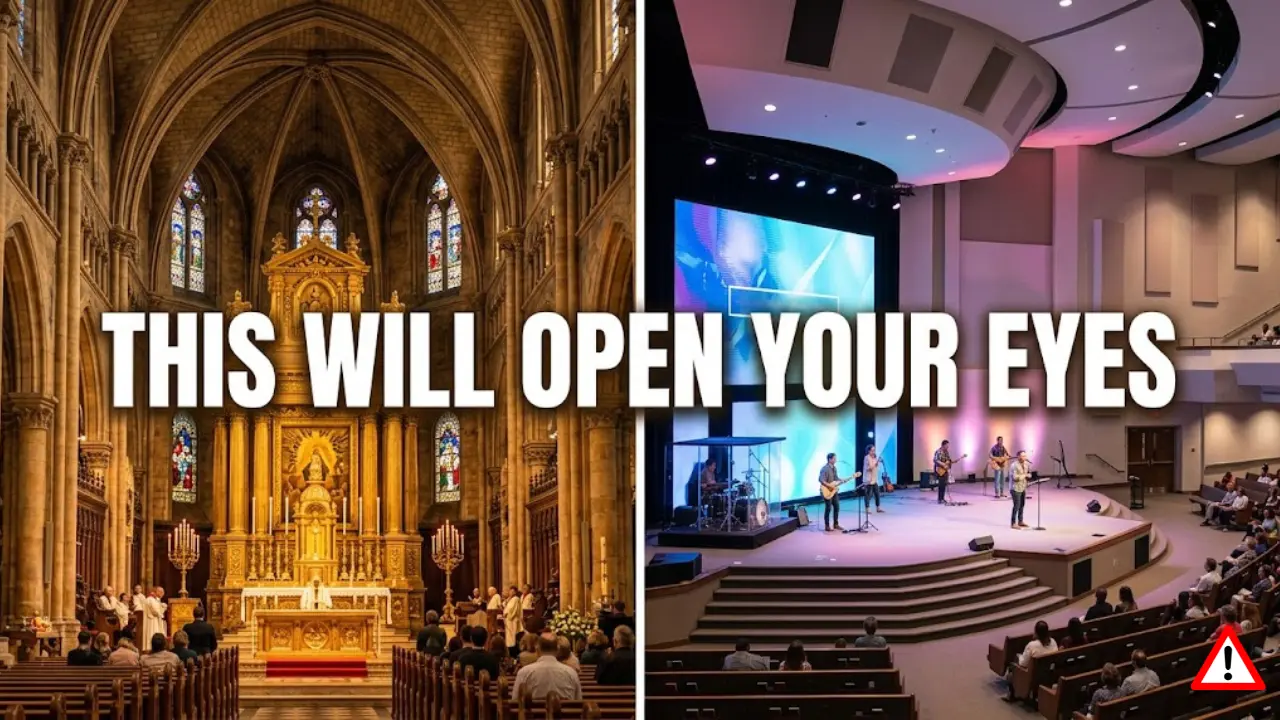
Worship experiences can feel very different between Catholic and other Christian settings. Catholic worship, especially the Mass, follows a structured and ancient pattern that has been preserved over centuries. It includes readings from Scripture, prayers and the celebration of the Eucharist.
This structure creates a sense of continuity and reverence. Catholics around the world participate in a similar form of worship, emphasizing unity across cultures.
Other Christian churches often have more flexible worship styles. Services may include contemporary music, spontaneous prayer and varied teaching formats. This flexibility allows for creativity and adaptation, but it can also lead to differences in how worship is experienced from one place to another.
Scripture Interpretation
While all Christians value the Bible, the approach to interpreting it can differ. Many Protestant traditions encourage individuals to read and interpret Scripture personally, trusting the Holy Spirit for guidance.
The Catholic Church also encourages reading the Bible but emphasizes interpretation within the context of Church teaching. This helps maintain consistency and prevents conflicting interpretations.
Catholics believe that Scripture should not be separated from the community that preserved and transmitted it. Other Christians may place greater emphasis on personal understanding, which can lead to a wide variety of theological perspectives.
Unity and Diversity Within Christianity
It is important to recognize that Christianity, as a whole, shares many core beliefs. Catholics and other Christians alike affirm the Trinity, the divinity of Jesus Christ, His death and resurrection and the call to love God and neighbour.
The differences discussed here do not erase these shared foundations. Instead, they highlight different ways of understanding and living out the same faith. For some, the structure and tradition of the Catholic Church provide clarity and stability. For others, the emphasis on personal faith and flexibility feels more meaningful.
Understanding these distinctions can help build respect and thoughtful dialogue among Christians. It also helps individuals make informed decisions about their own spiritual journey.
Continuing Your Exploration of Biblical Faith
If you are interested in understanding more about Scripture, faith and spiritual growth, here are some helpful topics to explore next:
Frequently Asked Questions
Why do Catholics follow traditions along with the Bible?
Catholics believe that both Scripture and Sacred Tradition come from the apostles and together form the complete teaching of the faith.
Do Catholics worship Mary and the saints?
No, Catholics worship God alone. Mary and the saints are honoured and asked to pray for believers, not worshiped.
Why do Catholics confess to a priest?
Catholics believe Jesus gave authority to forgive sins through the apostles and this continues through priests in confession.
What is the main difference in salvation beliefs?
Many Christians emphasize faith alone, while Catholics teach that faith must be lived out through love and actions.
Why is the Eucharist so important in Catholicism?
Catholics believe it is truly the body and blood of Christ, not just a symbol, making it central to worship.
