
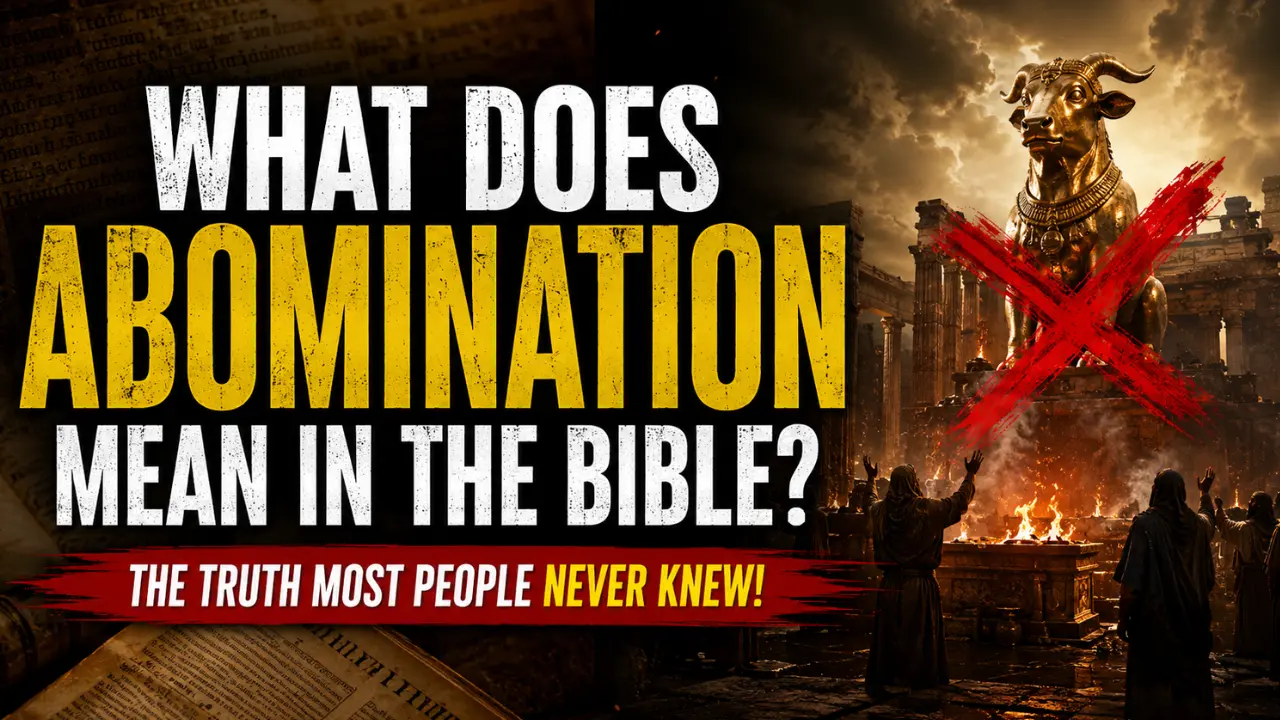

In the Bible, an abomination is something regarded as detestable before God because it violates His holiness, corrupts worship, distorts moral order or breaks covenant faithfulness. The term does not describe ordinary dislike or personal preference. It belongs to the Bible’s language of holiness, covenant obligation, worship purity, justice and moral order.
The meaning of abomination must be determined by context. Scripture uses the term for idolatry, false worship, occult practices, child sacrifice, dishonest business, injustice, pride, hypocrisy, sexual immorality and desecration of sacred space. These uses are not random. They are united by one theological principle: an abomination is something that stands in serious opposition to God’s revealed order, especially [why holiness and covenant faithfulness shape the Bible’s understanding of moral defilement — What Defilement Means in the Bible].
Abomination and the Holiness of God
Abomination language is rooted in the holiness of God. Scripture presents God as righteous, pure, faithful and distinct from evil. Because God is holy, His people are called to worship Him rightly, live justly and reject practices that defile covenant life.
This means abomination is not merely a ceremonial label. It identifies actions, systems or attitudes that contradict God’s holiness. In the Old Testament, the term often appears where worship, purity, justice or covenant obedience has been violated. The word carries moral and theological weight because it describes what cannot be reconciled with faithful devotion to the Lord.
Idolatry as a Central Abomination
One of the most common biblical uses of abomination concerns idolatry. Idols, pagan altars, divination, occult rituals and false gods are described as abominations because they replace worship of the Lord with devotion to created or false powers.
For Israel, idolatry was covenant betrayal. The nation had been redeemed by God, brought into covenant relationship and commanded to worship Him alone. To turn toward idols was not simply to choose a different religious expression. It was to violate the exclusive covenant loyalty owed to the Lord.
This is why the prophets often connect idolatry with defilement and spiritual adultery. False worship corrupted Israel’s identity because the people were consecrated to belong to God.
Why Idolatry Was Treated So Severely
Idolatry was treated so severely because it distorted the entire covenant relationship. It changed the object of worship, corrupted the moral imagination of the people and introduced practices that contradicted the Lord’s revealed character. In Scripture, worship is never isolated from life. What people worship shapes how they understand truth, justice, sexuality, power, sacrifice and human value.
This explains why idolatry often appears alongside violence, exploitation, sexual corruption and child sacrifice. The Bible presents false worship as spiritually destructive because it reorders life around what is false, revealing [how idolatry in Scripture gradually reshapes both worship and moral behaviour — The Spiritual Consequences of Idolatry in the Bible].
Abomination and Defiled Worship
The Bible also uses abomination language when worship continues outwardly while becoming corrupt inwardly. Israel could maintain sacrifices, festivals, temple rituals, and religious identity while practicing injustice, idolatry, and rebellion. In that condition, religious activity itself became offensive because it contradicted covenant faithfulness.
This prophetic theme is important. Abomination is not limited to pagan practices outside Israel. It can also describe corrupted worship among people who claim to belong to God. When worship is separated from obedience, justice, mercy and truth, Scripture treats that contradiction seriously.
Abomination and Hypocrisy
Abomination language exposes hypocrisy when outward devotion masks inward rebellion. The prophets repeatedly confronted religious communities that preserved ritual forms while ignoring righteousness. Jesus continued this concern by condemning forms of religious appearance that looked clean outwardly while remaining corrupt inwardly.
This means biblical abomination is not only about visible acts. It can also expose the spiritual contradiction between public religion and private rebellion, between sacred language and unjust conduct and between worship claims and disobedient hearts.
Ritual, Moral and Covenant Abominations
The Bible uses abomination language in more than one category and this distinction helps prevent careless interpretation. Some uses are connected to ritual impurity or forbidden worship practices. Others are connected to moral evil, social injustice or covenant rebellion. The categories often overlap but they are not always identical.
A careful reading must ask what kind of violation is in view. In some passages, the issue is idolatrous worship. In others, it is ethical corruption. In others, it is the profaning of what belongs to God. The common thread is that the action contradicts God’s holiness and covenant order.
This distinction matters because biblical authority depends on context. The word “abomination” should not be flattened into a single modern category or used without attention to the passage in which it appears.
Abomination and Sacred Space
Some abomination passages focus on the defilement of sacred places, especially the temple. Sacred space in the Old Testament represented God’s dwelling among His covenant people. Because of this, bringing idols or corrupt practices into holy places was a severe violation.
The issue was not merely that foreign objects entered a religious building. The issue was that what had been consecrated to the Lord was being profaned by practices opposed to His holiness. This helps explain the force of temple-related abomination language and the later phrase “abomination of desolation,” which concerns the desecration of what is holy and the judgment connected to that defilement.
Moral Corruption as Abomination
Abomination language also applies to moral evil. Proverbs describes lying lips, pride, false witness, wicked schemes and dishonest scales as abominations to the Lord. This shows that the term is not restricted to ritual or temple matters.
God’s holiness governs ordinary conduct as well as formal worship. Dishonest business, corrupt speech, arrogance, injustice, and deceit are treated as serious because they violate righteousness. The Bible does not separate worship from ethics. A person cannot honour God in religious language while practicing corruption in daily life.
Common Moral Abominations in Wisdom Literature
Wisdom literature shows that abomination language can address ordinary moral conduct, not only dramatic acts of idolatry. Proverbs especially identifies practices that corrupt truth, justice and humility before God.
These include dishonest scales, lying speech, false witness, arrogance, violent schemes and injustice. This category is important because it shows that Scripture applies holiness to daily ethics. God’s concern includes the marketplace, courtroom, household, speech, motives and treatment of others, closely connected to [why biblical wisdom links righteousness with integrity in everyday life — What Biblical Integrity Means in Daily Conduct].
Abomination and Social Injustice
The prophets repeatedly connected covenant unfaithfulness with injustice. Oppression of the poor, corrupt leadership, violence, dishonest gain and bloodshed were condemned alongside false worship. This shows that abomination language can expose social and moral disorder, not only private wrongdoing.
In biblical theology, worship and justice belong together. A community that preserves religious forms while tolerating exploitation stands under prophetic rebuke. Abomination language therefore protects the moral seriousness of covenant life. God’s people were called not only to reject idols but also to practice righteousness.
Sexual Sin and Covenant Order
Certain Old Testament passages use abomination language for sexual practices that violate God’s covenant order. These passages belong within the larger biblical framework of holiness, creation order, family structure, purity and embodied obedience.
Scripture treats sexual conduct as morally and theologically significant. It is not presented as detached from worship, identity or holiness. Where sexual practices are called abominations, the concern is that they oppose God’s revealed order and defile covenant life.
The Abominations of the Nations
The phrase “abominations of the nations” refers to practices associated with surrounding pagan peoples, especially idolatry, occult rituals, child sacrifice and moral corruption tied to false worship. Israel was warned not to imitate these practices because covenant identity required loyalty to the Lord.
The concern was not ethnic hostility. The concern was spiritual corruption. Israel was called to be distinct in worship and conduct. Adopting the abominations of the nations meant abandoning covenant holiness and absorbing practices that opposed God’s commands.
Abomination and Covenant Judgment
Abomination language frequently appears near warnings of judgment because it identifies corruption that cannot remain spiritually neutral indefinitely. Persistent idolatry, injustice and defilement eventually brought covenant judgment upon Israel and Judah, including exile and temple destruction.
This judgment language reflects the seriousness of covenant violation. God’s patience did not mean approval of corruption. The prophets warned repeatedly that continued rebellion against holiness would lead to consequences.
Yet even within judgment passages, Scripture continues to call people toward repentance. The purpose of prophetic warning was not merely condemnation but return to covenant faithfulness before judgment became final.
The Abomination of Desolation
The phrase “abomination of desolation” appears in Daniel and is later referenced by Jesus. It refers to a desecrating act connected with the holy place and resulting in devastation. The phrase combines two ideas: abomination as defilement and desolation as judgment or ruin.
Interpretations differ regarding its historical and prophetic fullfillments, but the core meaning is clear. It describes a serious profaning of what belongs to God, especially in relation to temple holiness and covenant crisis. This phrase shows how strongly abomination language can be connected to sacred space, rebellion and judgment.
Abomination in the Teaching of Jesus
The New Testament continues the moral seriousness of abomination language while emphasizing inward corruption. Jesus confronted hypocrisy, greed, pride, and outward religion that appeared righteous before people but remained corrupt before God.
This does not cancel Old Testament holiness. It clarifies that defilement is not only external. Sin proceeds from the heart and expresses itself through actions, speech, worship, and moral choices. The New Testament continues to condemn idolatry, immorality, false worship, greed, hypocrisy and rebellion because God’s holiness remains unchanged.
What Abomination Does Not Mean
Abomination does not mean something a person merely dislikes. The word should not be used carelessly as a label for personal outrage or selective condemnation. In Scripture, abomination language belongs to God’s revealed standards.
It also does not mean a sinner is beyond repentance. The Bible strongly condemns abominations, but it also repeatedly calls sinners to turn back to God. Prophetic warnings are given because repentance is still possible before judgment becomes final.
Abomination and Repentance
The biblical response to abomination is repentance, not denial or normalization. The prophets called Israel to abandon idols, reject injustice, cleanse worship and return to covenant faithfulness. The New Testament calls sinners to forgiveness and transformation through Christ.
This balance is necessary. Scripture treats abomination seriously because God is holy. Scripture calls for repentance because God is merciful. The seriousness of the word should not produce careless condemnation but it should also prevent sin from being treated as harmless.
Biblical Meaning of Abomination
In biblical theology, abomination refers to practices, attitudes, objects or systems that are detestable before God because they violate holiness, corrupt worship, distort moral order or reject covenant faithfulness. The term can apply to idolatry, false worship, occult practices, injustice, deceit, hypocrisy, sexual immorality, sacred defilement and covenant rebellion.
Abomination language carries authority because it reflects God’s judgment rather than human preference. It teaches that worship, justice, morality, truth and the condition of the heart all matter before the Lord.
