
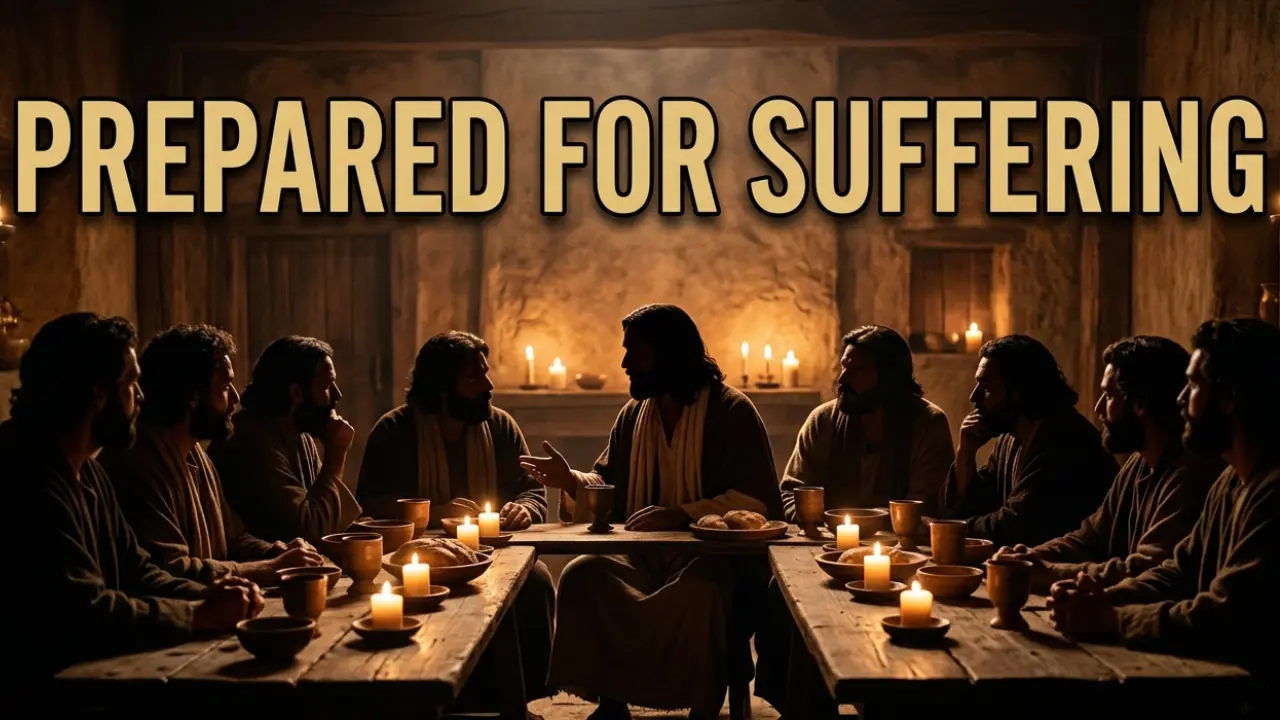

Gospel of John 13–17 contains one of the most personal and emotionally powerful sections in the New Testament. Known as the Farewell Discourse, these chapters record the final extended conversation Jesus shared with His disciples before His arrest and crucifixion.
The atmosphere surrounding these moments is deeply emotional. Jesus knows betrayal is already unfolding. He knows suffering is near. He also knows His disciples are about to experience confusion, fear, disappointment and uncertainty unlike anything they have faced before.
What makes the Farewell Discourse remarkable is that Jesus does not hide difficult truths from His followers. Instead of promising worldly comfort or an easy future, He carefully prepares them for rejection, persecution, sorrow and hardship. Yet alongside those warnings, He also offers peace, hope, love and the assurance that they will never truly be abandoned.
This balance is what gives the discourse such lasting spiritual depth. Jesus speaks honestly about suffering while also teaching that suffering will not have the final word. His disciples will grieve, struggle and face opposition but they will not face those things alone.
The Farewell Discourse ultimately teaches that suffering is not outside the life of discipleship. In many ways, it becomes part of what it means to [faithfully follow Christ in a broken world — What It Means to Follow Jesus in a Broken World].
KEY THEMES IN FAREWELL DISCOURSE
| Theme | Meaning |
|---|---|
| Suffering | Hardship is part of discipleship |
| Love | Believers must remain rooted in Christ’s love |
| Peace | Christ offers peace despite tribulation |
| The Holy Spirit | God’s presence remains with believers |
| Hope | Jesus points beyond temporary suffering |
Emotional Weight
The setting of John 13–17 matters because the disciples are emotionally unprepared for what is about to happen. For years they had followed Jesus believing they were witnessing the arrival of God’s kingdom in visible power and victory. Like many people in first-century Judea, they likely imagined restoration, triumph and freedom from oppression.
But during this final evening, the tone changes dramatically.
Jesus speaks openly about leaving them. He talks about betrayal, denial, hatred from the world and coming sorrow. Peter is told he will deny Jesus. Judas has already stepped into betrayal. The disciples begin realizing that the future they expected may not unfold the way they imagined.
This emotional tension gives the Farewell Discourse its depth and humanity.
Expectations Were Shaken
The disciples expected a Messiah who would bring visible victory. A suffering and crucified Savior did not fit their understanding of how God’s kingdom should appear. Because of this, the coming events had the potential to completely destroy their faith.
Jesus understands this danger. That is why He begins preparing them emotionally and spiritually before suffering arrives.
Sorrow and Hope
Although the discourse contains warnings about suffering, it is not hopeless or dark in tone. Jesus continually balances honesty with reassurance. He speaks about trouble but He also speaks about peace. He warns about hatred from the world but He also promises love, joy and victory.
This balance is one reason these chapters remain so comforting today. Jesus does not offer shallow optimism. He speaks honestly about [human pain while also pointing beyond it — How Jesus Gives Hope in Times of Suffering].
Jesus Strengthened Their Faith
One of the clearest reasons Jesus warned the disciples about suffering was to protect their faith when hardship eventually came. He knew the crucifixion would appear shocking and devastating. Watching their teacher arrested, humiliated and executed could easily lead them to believe that everything they trusted had failed.
That is why Jesus repeatedly tells them beforehand what is about to happen.
He wants the disciples to remember His words when the crisis arrives.
Suffering Can Confuse Faith
Human beings naturally struggle when suffering appears unexpectedly. Pain often leads people to ask difficult questions:
- “Why would God allow this?”
- “Has God abandoned me?”
- “Did I misunderstand everything?”
Jesus prepares the disciples because He knows unexpected suffering can shake faith deeply. By warning them in advance, He reframes suffering before it happens.
Instead of seeing hardship as proof that God has failed, they are invited to understand it as part of God’s larger purpose.
Faith Is Not Built on Comfort
The disciples needed to learn that faithfulness to God does not guarantee an easy life. Jesus teaches that suffering may actually become evidence of genuine discipleship.
This completely changes how suffering is interpreted. Hardship is no longer meaningless chaos. It becomes something believers may encounter while remaining [faithful to Christ — Why Faithfulness to God Does Not Always Mean an Easy Life].
The Cross Changed Everything
One of the deepest tensions in John’s Gospel is that the cross looked like defeat to everyone witnessing it. In the ancient world, crucifixion represented shame, humiliation and weakness. A crucified Messiah seemed impossible because people expected strength to appear through visible power and conquest.
Yet Jesus speaks about His death very differently.
Throughout John’s Gospel, He describes the cross as His glorification.
Cross Revealed God’s Love
The crucifixion was not simply an execution. According to John’s Gospel, it became the ultimate revelation of God’s love, mercy and obedience.
What appeared to be defeat was actually accomplishing salvation.
Jesus wanted the disciples to eventually understand that God’s purposes are not always visible through human expectations of success or strength.
God Works Through Weakness
This truth remains deeply important because people naturally associate God’s blessing with comfort, victory and visible success. But the cross reveals something unexpected: God sometimes works most powerfully through suffering, sacrifice and apparent weakness.
That does not mean suffering itself is good. Rather, it means suffering cannot prevent [God’s larger purposes — How God Works Through Weakness and Suffering] from unfolding.
Why the World Hates Believers
One of the strongest themes in John 15–16 is Jesus warning the disciples that the world will hate them. These words can feel unsettling, but they reveal an important spiritual reality.
Jesus explains that the world hated Him first.
In John’s writings, “the world” often refers to systems and ways of thinking that resist God’s truth.
Opposition Was Part of the Mission
The disciples would eventually face rejection because their message challenged pride, hypocrisy, selfishness and spiritual blindness.
Jesus wanted them to understand that opposition would not necessarily mean failure. In many cases, it would confirm that they were faithfully representing Him.
This preparation helped remove surprise when persecution later arrived.
Love in the Face of Opposition
It is important to notice that Jesus never encourages bitterness or hatred in return. Even while preparing the disciples for hostility, He continually commands them to love others.
The Farewell Discourse holds these truths together:
- the world may resist truth,
- but believers are still called to respond with humility and love.
That balance remains one of the defining marks of [Christian discipleship — What Christian Discipleship Really Means].
Jesus Redefined Greatness
Before the longer teaching begins, John 13 records one of the most unforgettable moments in the Gospel: Jesus washing the disciples’ feet.
In that culture, foot washing was the work of servants. Yet Jesus, the one they called Lord and Teacher, kneels before them in humility.
This moment becomes a living picture of everything He is about to teach.
Greatness in God’s Kingdom
Human beings often define greatness through status, authority and control. But Jesus reveals a completely different vision of leadership.
In God’s kingdom:
- greatness is expressed through service,
- authority is shaped by humility,
- and love involves sacrifice.
The disciples would later remember this moment when they faced suffering themselves.
Jesus Led by Example
One reason the Farewell Discourse feels so powerful is that Jesus never asks the disciples to endure something He Himself refuses to face.
He walks ahead of them into suffering first.
This changes the meaning of discipleship completely. Following Christ is not about pursuing power over others. It is about learning to [love sacrificially — Why Jesus Washed His Disciples’ Feet], even when doing so becomes costly.
Holy Spirit Changed Everything
As Jesus spoke about departure and suffering, fear naturally filled the disciples’ hearts. They had relied on His physical presence for guidance, protection and understanding. The thought of losing Him felt overwhelming.
That is why the promise of the Holy Spirit becomes central in John 14–16.
Jesus describes the Spirit as Helper, Advocate and Spirit of Truth.
Disciples Were Not Left Alone
The Holy Spirit would remain with them after Jesus’ departure. This meant they would never face suffering alone.
The Spirit would:
- remind them of Jesus’ teachings,
- strengthen them during persecution,
- guide them into truth,
- and empower their witness.
This promise transformed their future.
Strength Through God’s Presence
Jesus never tells the disciples to survive hardship through sheer willpower. Instead, He promises divine presence within suffering.
This remains deeply comforting because human strength alone eventually breaks under fear, grief and pressure. The Farewell Discourse teaches that [God remains near even in seasons of weakness — The Role of the Holy Spirit in Christian Suffering] and uncertainty.
The Vine and the Branches
In John 15, Jesus gives one of the most beloved images in all of Scripture:
“I am the vine; you are the branches.”
This metaphor teaches the disciples that spiritual life depends completely on remaining connected to Christ.
A branch cannot survive disconnected from the vine because its life flows from that connection.
Abiding Brings Endurance
The disciples would soon experience fear, persecution, exhaustion and doubt. Jesus teaches them that spiritual survival will not come through self-reliance.
It will come through abiding in Him daily.
This idea of “abiding” involves trust, dependence, prayer, obedience and continual relationship with Christ.
Pruning Has Purpose
Jesus also speaks about pruning, which is painful but necessary for greater fruitfulness.
Spiritually, this suggests that hardship can:
- deepen character,
- expose false securities,
- and strengthen dependence on God.
Again, Jesus is not glorifying suffering itself. Instead, He teaches that suffering does not have to become meaningless destruction. God can still bring [growth and transformation through painful seasons — What It Means to Abide in Christ During Hard Times].
Jesus Prayed for Their Endurance
John 17 records Jesus’ final prayer before His arrest, and it reveals His deep concern for His followers. One detail stands out clearly: Jesus does not ask the Father to remove the disciples from the world.
Instead, He prays for their protection while they remain in it.
Sent Into the World
The disciples were not called to withdraw from human struggles and brokenness. They were sent into the world as witnesses of truth, grace and love.
Their mission required courage and endurance.
Jesus understood they would face opposition but He still called them to remain faithful within ordinary human society.
Peace Through Christ
The Farewell Discourse does not promise escape from suffering. Instead, it offers something deeper:
- peace in the middle of fear,
- hope in the middle of sorrow,
- and strength in the middle of weakness.
That is why John 13–17 continues to comfort, challenge and strengthen readers across generations. It reminds believers that true peace is not found in avoiding hardship but in [remaining connected to Christ through it — Finding Peace in Christ During Difficult Seasons].
Farewell Discourse Still Matters
Even though these conversations happened nearly two thousand years ago, the emotional realities inside them remain deeply relevant. People still struggle with disappointment, fear, rejection, grief and uncertainty. Many still wrestle with questions about suffering and God’s presence during difficult seasons.
The Farewell Discourse speaks honestly into those struggles.
Jesus Never Promised Easy Lives
Jesus openly tells the disciples:
“In this world you will have trouble.”
But He immediately follows that statement with hope:
“Take heart! I have overcome the world.”
This balance between realism and hope gives the discourse its lasting power.
Victory Has the Final Word
The disciples would eventually suffer greatly but suffering would not define the end of their story. Christ’s victory would.
That same message continues to encourage believers today. Hardship may be real but it is not ultimate.
Lasting Hope of John 13–17
At its heart, the Farewell Discourse prepares believers to remain faithful when life becomes difficult. Jesus teaches that suffering is not proof of God’s absence, nor does hardship cancel divine purpose.
Instead, these chapters reveal that love, endurance, humility, truth and hope often become most visible in painful moments.
Jesus prepares His disciples honestly because He loves them deeply. He walks ahead of them into suffering, promises His presence within it and assures them that evil and pain will not have the final word.
That is why John 13–17 continues to comfort, challenge and strengthen readers across generations. It reminds believers that true peace is not found in avoiding hardship but in remaining connected to Christ through it.
Frequently Asked Questions
What is the Farewell Discourse in the Gospel of John?
The Farewell Discourse refers to Gospel of John chapters 13–17, where Jesus Christ speaks privately with His disciples before His arrest and crucifixion. In these chapters, Jesus prepares them for His departure, teaches them about love and obedience, promises the Holy Spirit and warns them about future suffering and persecution.
Why did Jesus prepare His disciples for suffering?
Jesus prepared His disciples for suffering so their faith would not collapse when hardship came. He wanted them to understand that persecution, rejection and sorrow would become part of following Him. By warning them beforehand, Jesus helped them see suffering not as proof that God had abandoned them but as part of their mission and spiritual growth.
What is the main message of the Farewell Discourse?
The main message of the Farewell Discourse is that believers must remain faithful to Christ in a difficult world. Jesus teaches His disciples about love, humility, endurance, obedience, unity and dependence on God. He also assures them that they will not face suffering alone because the Holy Spirit will remain with them.
Why is John 13–17 important in Christianity?
John 13–17 is important because it contains some of Jesus’ deepest teachings about discipleship, suffering, prayer, love and the Holy Spirit. These chapters reveal Jesus’ heart for His followers and explain how Christians are meant to live faithfully even during hardship and opposition.
Why did Jesus wash the disciples’ feet?
Jesus washed the disciples’ feet to demonstrate humility, servant leadership and sacrificial love. In that culture, foot washing was considered a servant’s task. By performing it Himself, Jesus showed that greatness in God’s kingdom is expressed through serving others rather than seeking power or status.

2 thoughts on “Why Jesus Prepared His Disciples for Suffering”