
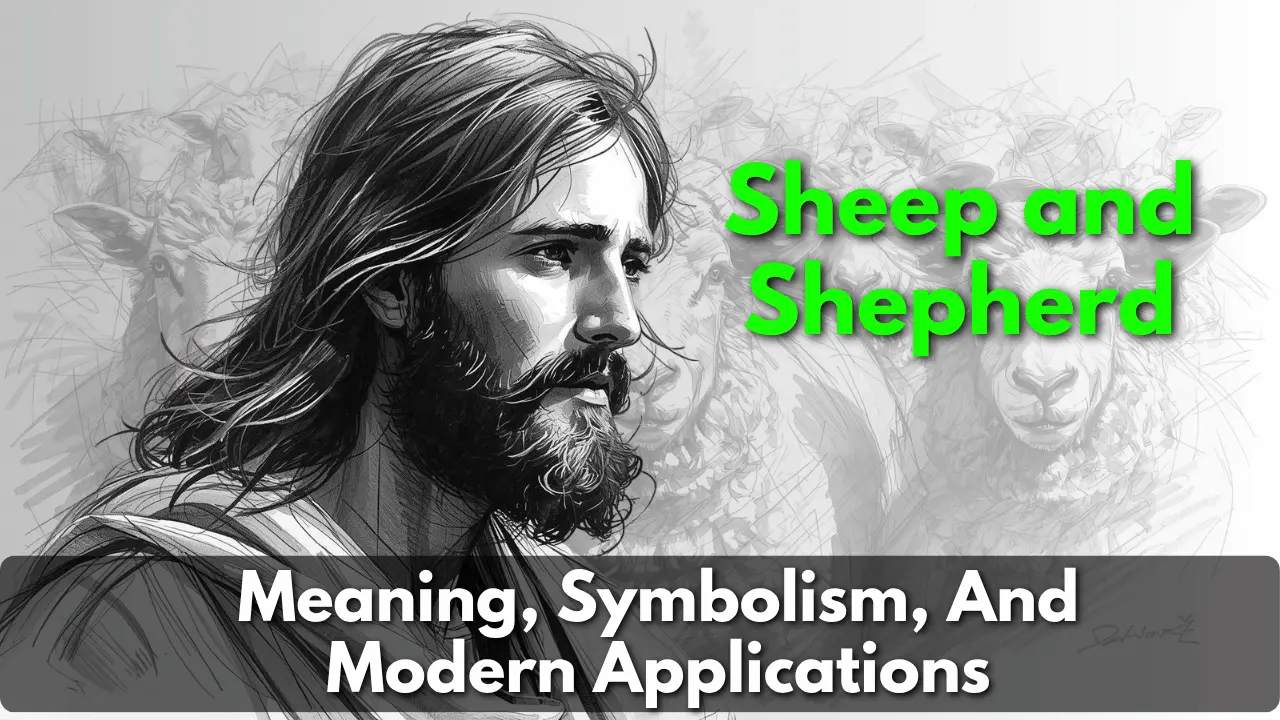

The image of a shepherd leading sheep appears often in Scripture and at first glance, it seems simple. A shepherd guides, protects and provides, while the sheep follow and depend on that care.
But this picture carries more meaning than it first appears. It explains how trust is formed, how protection works and why guidance matters, not only in faith but also in everyday decisions and relationships.
When understood more deeply, the sheep and shepherd relationship becomes more than a metaphor. It becomes a way of seeing how leadership, responsibility and trust function in real life.
1) From Pasture to Parable
From the earliest agrarian societies, sheep needed round-the-clock care—food, water, shelter and protection from predators. Shepherds learned terrain, weather and flock behaviour, turning a difficult job into living wisdom.
A working relationship, not a fairy tale
The shepherd’s task is demanding: scanning horizons for danger, mending fences and reading subtle flock signals. The sheep and shepherd meaning we inherit is not sentimental—it’s practical care under pressure.
Across faiths and cultures
Sacred literature and poetry worldwide draw on the shepherd image to express dependable guidance and protective love. Whether in psalms, parables or pastoral poetry, the theme is consistent: trustworthy leadership sustains the vulnerable through uncertainty.
Also Read👉What to Do When You Can’t Feel God Anymore
2) What Sheep Teach Us About Human Nature
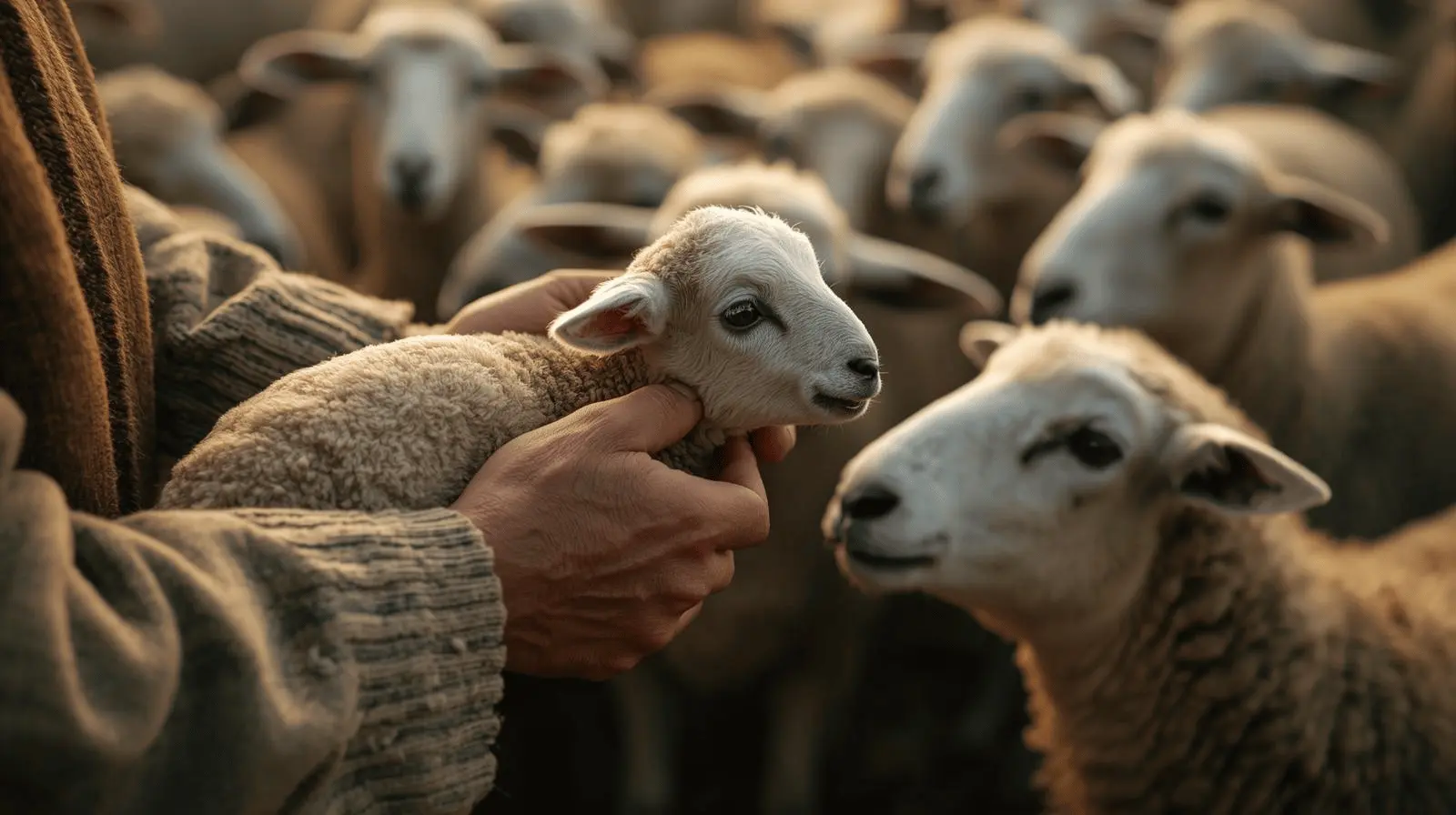
The flock’s instincts reveal a lot about people. We’re social, we seek safety in belonging and we flourish when trustworthy guidance meets our limits with patience.
Vulnerability and dependence aren’t weaknesses
Admitting need isn’t failure—it’s clarity. Like sheep, humans are finite; we can’t foresee every risk. The good shepherd symbolism reframes dependence as wise trust rather than helplessness.
Recognition of the shepherd’s voice
Sheep learn their shepherd’s tone and cadence. Likewise, we tune our attention to voices that prove reliable. In life and leadership, credibility is cumulative—built by consistent care, not catchy slogans.
Also Read👉This Verse Got Millions Through Depression—Here’s Why
3) What Makes a True Shepherd Today
Modern shepherds may carry laptops instead of staffs, but the essentials remain: presence, protection and purpose. Pastoral leadership qualities translate surprisingly well to teams and communities.
Guidance without coercion
Real guidance shows the way and walks it, preferring invitation over intimidation. The shepherd leadership style relies on example, clarity and steady availability rather than fear or force.
Protection that shows up in crises
Threats expose motives. When pressure mounts, a true shepherd steps toward danger—shielding the vulnerable, absorbing heat and making hard calls. That kind of courage earns enduring trust.
4) Provision and Growth
Safety is essential, but flourishing requires nourishment and direction. Good shepherding creates conditions where growth is likely—not guaranteed, but likely.
Leading to nourishment, not noise
In an age of alerts and opinions, “green pastures” look like focus, rest, and resources. Leaders who remove friction, clarify priorities and protect deep-work time are quietly feeding their flock.
Creating conditions for flourishing
Growth rarely happens by accident. It thrives under rhythms—clear goals, reflective pauses and honest feedback loops. Shepherd-like leaders cultivate these rhythms so people can do their best work.
Also Read👉The Most Shared Bible Verses on Instagram This Year
5) When Sheep Wander
Sheep stray for many reasons—distraction, fear, curiosity. People do too. The pastoral care meaning here is rescue: not shaming the lost but restoring them wisely.
Why we stray
Stress narrows focus; novelty tugs attention; shame hides mistakes. Understanding these dynamics keeps leaders curious rather than condemning, which opens the door to real return.
The work of restoration
Restoration blends truth and tenderness. It names the harm, repairs the breach, and reintegrates the person with dignity. A shepherd’s goal isn’t merely retrieval—it’s healing and renewed belonging.
6) Leadership Lessons for Work and Community

Translate the metaphor into the Monday meeting. Shepherd-minded managers move teams from fragile compliance to resilient commitment.
Servant-first, results-second
Servant leadership in business prioritizes people without abandoning performance. When safety and support come first, accountability becomes a shared pursuit—teams pull together rather than push against each other.
Accountability and the rod-and-staff idea
In the metaphor, the rod defends and the staff guides. Healthy accountability works the same way: defend the team from unfair pressure; guide with clear expectations and humane guardrails.
Also Read👉I’m Not Brave—But This Bible Story Made Me Obedient
7) Misuses and Myths to Watch Out For
Power can hide inside beautiful metaphors. Naming misuse protects the flock and honours the image.
Blind following isn’t trust
Trust asks questions. “Sheep” does not mean mindless; it means relational. Good shepherding welcomes scrutiny, feedback and transparency. Sheep and shepherd meaning never excuses manipulation.
Beware of hirelings
A hireling values the job more than the flock. When danger comes, they run. In modern settings, this looks like leaders who vanish during layoffs, take credit in wins and assign blame in losses.
8) Practical Ways to Live the Metaphor
Principles only matter if they change how we walk. Here are grounded practices for both roles—those being led and those leading.
Three Practices to Anchor You
- Choose voices wisely. Follow leaders whose actions match their promises. Consistency beats cleverness. 🧭
- Practice responsive trust. Start with measured trust and expand it as reliability grows—neither cynical nor naïve.
- Stay findable. When you wander (and we all do), communicate early. It’s easier to guide a moving sheep than to locate a vanished one.
Daily Habits That Earn Loyalty
- Know your flock. Learn people’s strengths, fears, and aspirations. Specific care > generic perks.
- Show up in storms. During crises, be visible, calm and decisive. That’s shepherd time. ⛑️
- Build green pastures. Protect focus, set humane cadence and celebrate real progress—not just busywork.
9) A Brief Note on Real Sheep
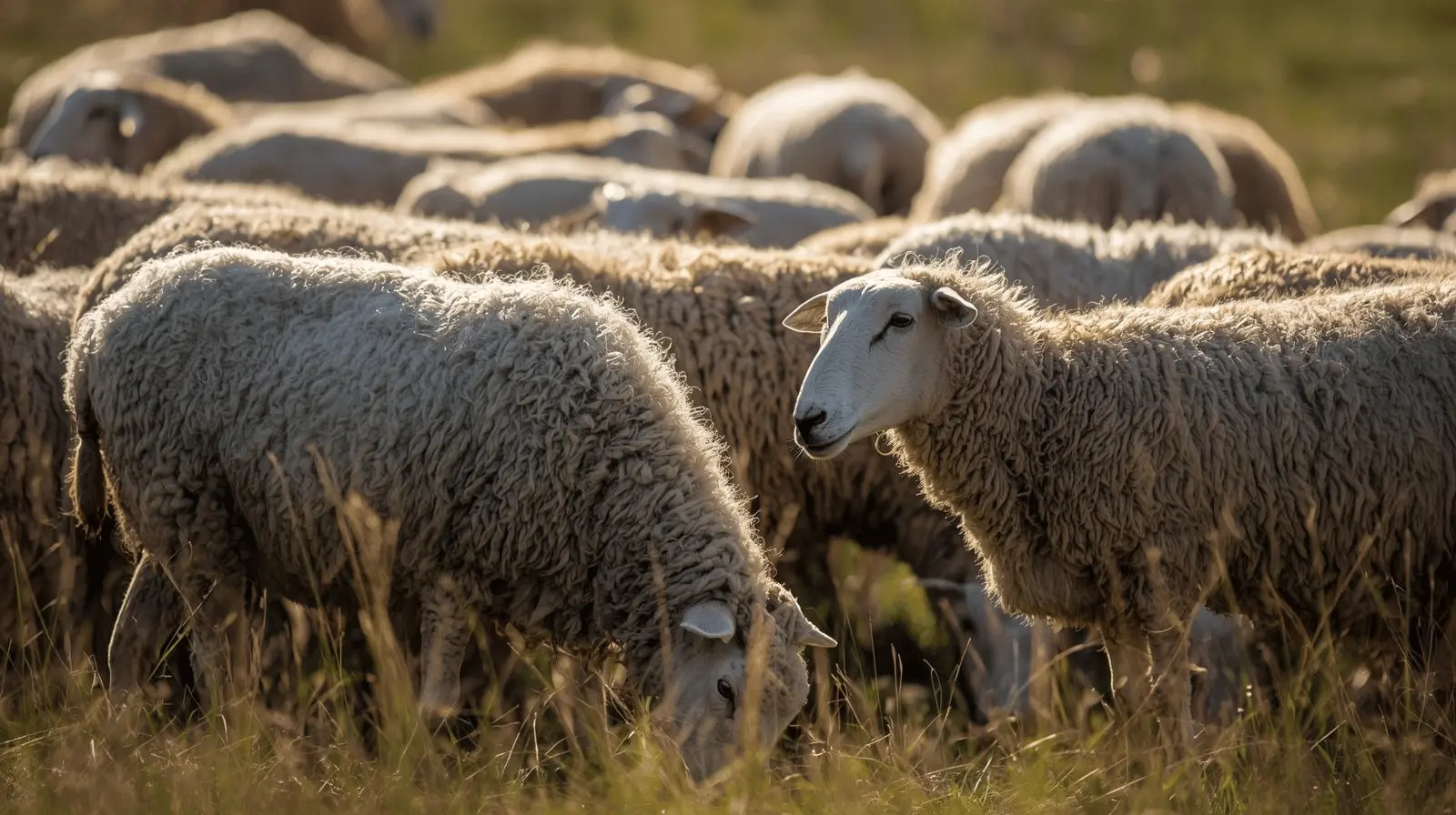
Literal sheep illuminate the metaphor. Their behaviors—flocking, following familiar calls, startle responses—explain why the image persists. Facts matter because metaphors that stay tethered to reality carry more authority.
Behavioral traits that shape the metaphor
Sheep are prey animals with strong flocking instincts and limited defence, which is why calm leadership and safe routes matter. For a concise, trustworthy overview of sheep as mammals and their domestication history, see Encyclopedia Britannica’s overview of sheep.
Pastoral care in the literal sense
Good husbandry mixes prevention (secure fencing, parasite control, balanced grazing) with presence (regular checks, quick responses). The same blend—preventive systems plus attentive presence—translates directly to team health and community well-being.
10) Ethics at the Gate
Metaphors shape behaviour. The good shepherd message demands that power be stewarded, not hoarded; that consent be honoured, not presumed.
Care that respects agency
Guidance without agency is control. The best shepherds persuade rather than pressure, ensuring people understand choices and consequences before they commit.
Guardrails that protect the vulnerable
Policies, escalation paths, and open reporting channels act like fences: they don’t trap people—they keep wolves out. Ethical systems and watchful leaders are how communities stay safe and free.
Also Read👉I Was About to Give Up—Then a Single Verse Changed Everything
11) Navigating Change: Valleys, Peaks and Wayfinding
Change is the open country—beautiful and risky. Shepherds read weather and land; leaders read data, context and morale.
Clarity under uncertainty
In fog, voices matter more than vistas. Clear next steps, simple check-ins and honest “what we know/what we don’t” updates reduce anxiety and prevent stampedes.
Pacing for endurance
Sprint everything and the flock frays. Shepherd-leaders set a sustainable tempo—cadence meetings, recovery time and sensible milestones—to ensure people arrive with strength left.
Frequently Asked Questions
Why are sheep used as a symbol for people?
Because sheep naturally require guidance and protection. This reflects how people often need direction and support in life.
What qualities define a good shepherd?
Care, responsibility, protection, consistency and a willingness to lead with attention to those being guided.
How does this metaphor relate to leadership?
It shows that leadership is not only about authority but also about responsibility, care and guiding others effectively.
Does this metaphor appear in both Old and New Testaments?
Yes, it is used throughout Scripture in different contexts to describe guidance and care.
What is the key lesson from sheep and shepherd?
That trust and responsibility are central to healthy relationships and leadership.

1 thought on “Sheep and Shepherd: Meaning, Symbolism and Modern Applications”