


Many people believe Judaism and Christianity offer the same answer to salvation because they share history, Scripture and belief in one God. That assumption feels reasonable but it is deeply misleading. When the question becomes personal, how am I made right with God, the two faiths move in very different directions.
Salvation shapes how people understand guilt, forgiveness, responsibility and hope beyond this life. Judaism and Christianity ask the same question about reconciliation with God, yet they answer it in fundamentally different ways. Understanding this difference brings clarity, especially in a world where religious ideas are often blended without reflection.
Salvation in Judaism vs Christianity
| Aspect | Judaism | Christianity |
|---|---|---|
| Core Question | How to live faithfully before God | How to be reconciled to God |
| View of Human Nature | Morally capable from birth | Spiritually affected by sin |
| Source of Salvation | Covenant faithfulness | Grace through Jesus Christ |
| Role of Law | Central guide for life | Reveals need for grace |
| Path to Forgiveness | Repentance and obedience | Faith in Christ |
| Role of Jesus | Not accepted as Messiah | Central to salvation |
| Hope Beyond Death | Focus on faithful living | Eternal life with God |
What Salvation Means in Judaism
In Judaism, salvation is not centred on rescue from inherited sin or eternal separation from God. Instead, it is rooted in faithfulness to the covenant God made with Israel. The focus remains on living rightly before God through obedience, repentance and ethical responsibility.
Human beings are viewed as morally capable from birth. People possess the freedom to choose obedience or disobedience. Sin is understood as straying from God’s commandments rather than existing in a permanently fallen state. Restoration comes through turning back to God, not through a single redemptive event.
Also Read: Can Christians Believe in Twin Flames? What the Bible Says About Soul Connections
The Role of Law and Repentance in Judaism
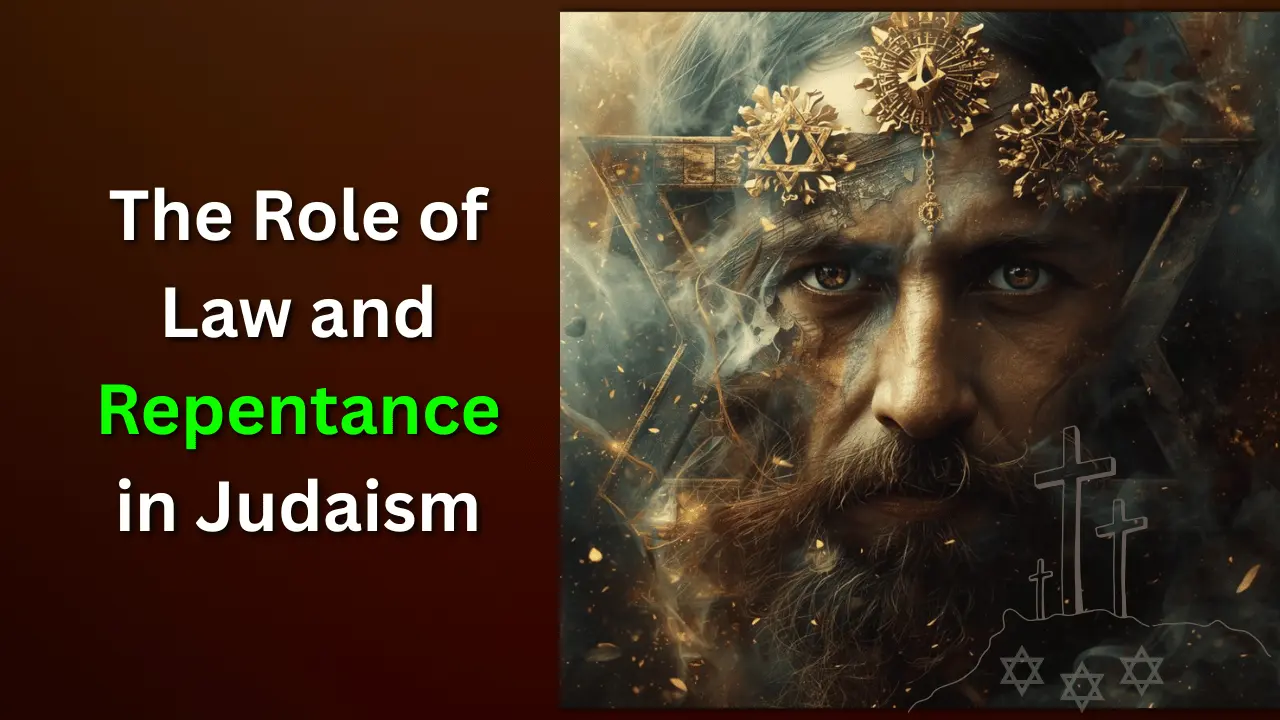
The Torah stands at the centre of Jewish spiritual life. God’s commandments are viewed as a gift that shapes justice, community, and daily conduct. Obedience is an expression of covenant faithfulness, not a way to earn God’s love.
Repentance, known as teshuvah, plays a central role. When a person sins, forgiveness is sought through sincere repentance, prayer, restitution and commitment to change. God’s mercy is emphasized, especially when repentance is genuine and accompanied by ethical action.
What Salvation Means in Christianity
Christianity presents salvation as reconciliation with God made possible through Jesus Christ. It teaches that humanity is separated from God because of sin and cannot restore that relationship through moral effort alone.
Christians believe Jesus lived without sin, died on the cross for the sins of humanity and rose again. Through faith in Him, believers receive forgiveness, spiritual renewal and restored relationship with God. Salvation is understood not as human achievement but as divine rescue.
Grace and Faith in Christian Salvation
Grace is the foundation of Christian salvation. It is described as an unearned gift from God rather than a reward for obedience. Faith is the means through which this gift is received, placing trust in Christ rather than personal righteousness.
Good works remain important in Christian life, but they follow salvation rather than produce it. Obedience becomes a response to grace, not the condition for acceptance before God.
The Central Role of Jesus
This is the clearest dividing line between Judaism and Christianity. Judaism does not accept Jesus as the Messiah or divine Savior. Christianity teaches that salvation is impossible apart from Him.
For Christians, Jesus is not one teacher among many. He is the fulfillment of God’s redemptive plan. His life, death, and resurrection stand at the centre of how God reconciles humanity to Himself.
Also Read: Can Christians Believe in Twin Flames? What the Bible Says About Soul Connections
How Each Faith Understands Sin
Judaism understands sin as deviation from God’s commandments rather than a permanent condition of corruption. Because humans are morally capable, sin can be corrected through repentance and renewed obedience.
Christianity teaches that sin affects humanity at a deeper level. It is not only about actions but about the condition of the heart. Because of this, forgiveness requires redemption rather than correction alone.
Salvation as a Process vs a Gift
Judaism often views salvation as a lifelong process of faithfulness, repentance, and ethical living. Faith is demonstrated consistently through action and obedience over time.
Christianity teaches salvation as a gift received through faith. Growth follows salvation, but acceptance by God does not depend on a lifetime of performance.
The Role of Covenant in Salvation
Covenant plays a vital role in both traditions, but it functions differently. In Judaism, the covenant emphasizes collective identity and obedience to God’s law as a people.
Christianity understands the covenant as fulfilled and renewed through Jesus. The focus shifts from law-keeping to grace, faith, and restored relationship with God.
The Role of Community
Judaism places strong emphasis on community. Salvation is closely connected to the shared identity and faithfulness of the people of Israel.
Christianity values community as well, but salvation is understood as personal before it becomes communal. Each individual stands before God through faith in Christ.
Common Misunderstandings About Salvation
Some believe Judaism teaches salvation by works alone, overlooking its emphasis on God’s mercy. Others believe Christianity removes responsibility, overlooking its call to holiness and obedience.
Clear understanding prevents stereotypes and shallow conclusions about either faith.
Why These Differences Matter Today
In a world of blended spirituality, unclear beliefs often lead to shallow faith. These differences are not minor theological details. They shape how people understand God’s justice, mercy, forgiveness, and hope.
Clarity allows for respectful dialogue without confusion. It helps believers hold conviction with humility and helps seekers understand what each faith truly teaches.
Also Read: Is It a Sin to Manifest as a Christian? Biblical Truth Explained Simply
Can These Views Be Respected Without Being Blended?
Yes. Respect does not require agreement. Understanding does not require compromise. Honest comparison honors both traditions more than vague similarity ever could.
Judaism and Christianity answer the same spiritual question in distinct ways. Recognizing that distinction strengthens faith rather than weakening it.
Author’s Perspective
Salvation in Judaism emphasizes covenant faithfulness expressed through obedience and repentance. Salvation in Christianity emphasizes grace given through Christ and received by faith. These are not two versions of the same path, but two fundamentally different answers to humanity’s deepest question.
Understanding the difference is not about debate. It is about truth, clarity, and spiritual direction.
Commonly Asked Questions
Do Jews and Christians believe in the same God?
Yes, both faiths worship the God of Abraham, Isaac, and Jacob. The difference lies in how they understand God’s plan for salvation and the role of Jesus.
How does Judaism view salvation?
Judaism emphasizes obedience to God’s commandments, repentance, prayer, and good deeds as ways to remain in God’s covenant. Salvation is seen more as living faithfully in community with God rather than a single moment of conversion.
How does Christianity view salvation?
Christianity teaches that salvation comes through faith in Jesus Christ, who died and rose again for the forgiveness of sins. It is received as a gift of grace, not earned by works alone.
Do Jews believe in heaven and hell like Christians?
Jewish teachings on the afterlife vary. Some traditions emphasize the “World to Come” (Olam Ha-Ba), a time of peace and restoration, while others focus more on present faithfulness than detailed descriptions of heaven or hell.
Can Jews and Christians work together despite their differences in salvation?
Yes, both faiths share common values such as justice, compassion, and worship of the one true God. Interfaith dialogue and cooperation often focus on these shared moral and spiritual foundations.
