
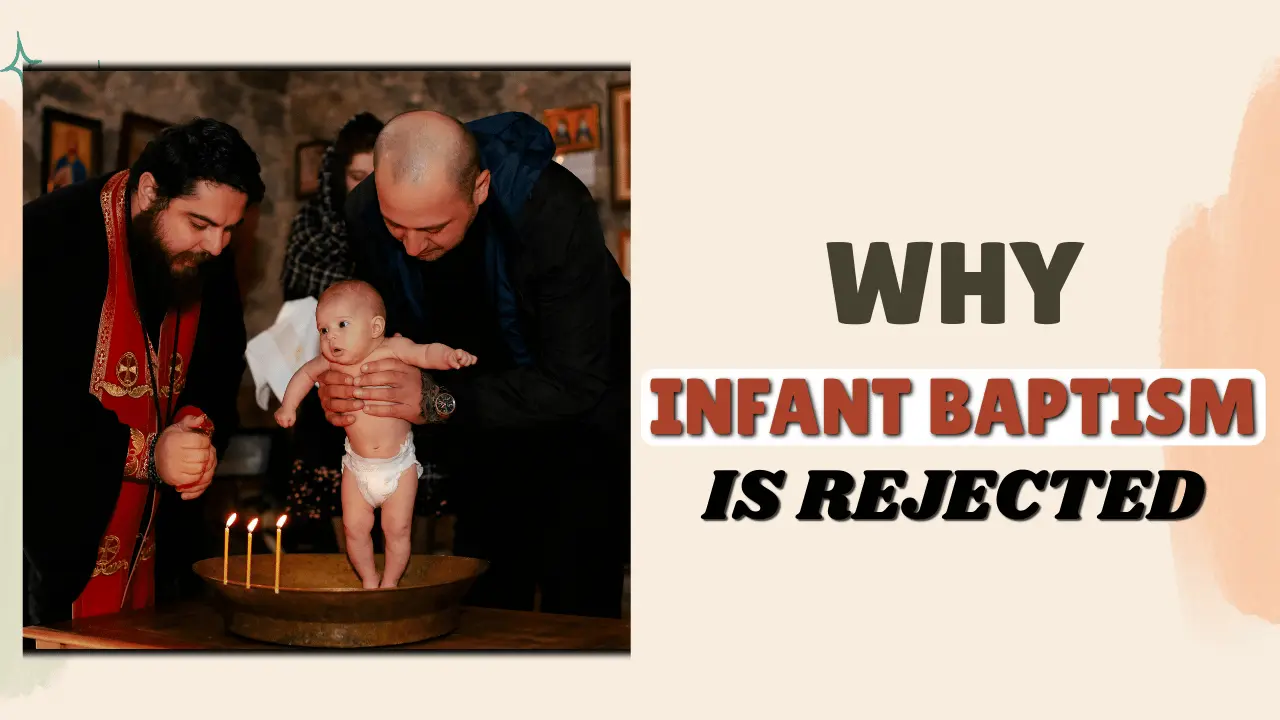

Baptists reject infant baptism because of deeply held biblical convictions about faith, salvation, and the meaning of baptism itself. This position is not based on tradition or preference, but on how Baptists interpret Scripture and understand the relationship between belief and baptism. To understand this view clearly, it is important to explore Baptist theology, biblical patterns, and the purpose baptism serves in Christian life.
The Baptist Understanding of Baptism
In Baptist belief, baptism is an outward expression of an inward faith. It is a public declaration that a person has personally repented, believed in Jesus Christ, and chosen to follow Him. Because infants are not capable of personal belief or repentance, Baptists conclude that baptism should follow faith, not precede it.
This understanding shapes the Baptist rejection of infant baptism. Baptism, in this view, is meaningful only when it reflects a conscious decision to trust Christ.
Also Read: Adult Baptism vs Infant Baptism Explained
Also Read: Biblical Meaning of Baptism in Christianity
Also Read: How to Practice Hope in God Daily
Baptism Follows Personal Faith in Scripture
One of the strongest reasons Baptists reject infant baptism is the biblical pattern they observe in the New Testament. In passages describing baptism, belief consistently comes first.
In the Great Commission recorded in Matthew, Jesus commands His followers to make disciples and then baptize them. Baptists interpret this sequence as teaching first, belief, and discipleship before baptism. An infant, by definition, cannot be taught or respond in faith.
Similarly, in Acts, baptism follows repentance and belief. These examples reinforce the Baptist conviction that baptism is intended for believers, not infants.
Baptism as a Symbol, Not a Saving Act
Baptists also reject infant baptism because they believe baptism does not save a person. Salvation, according to Baptist theology, comes through grace alone by faith alone, not through any ritual.
Infant baptism is often connected in other traditions to covenant inclusion or sacramental grace. Baptists fear that baptizing infants can unintentionally suggest that baptism contributes to salvation or spiritual status. To avoid confusion, Baptists reserve baptism for those who can personally testify to faith in Christ.
The Meaning of Baptism in Baptist Theology
In Baptist belief, baptism symbolizes identification with the death, burial, and resurrection of Jesus Christ. This symbolism is drawn from Romans, where baptism represents dying to an old life and rising to a new one.
Because this symbolism assumes conscious identification with Christ, Baptists argue that infants cannot meaningfully participate in baptism. The act would lack the spiritual reality it is meant to represent.
No Explicit Example of Infant Baptism in the New Testament
Another key reason Baptists reject infant baptism is the absence of a clear biblical command or example of it. While the New Testament mentions households being baptized, it does not explicitly state that infants were included or that baptism occurred without personal belief.
Baptists maintain that doctrine should be built on clear teaching, not inference. Since the New Testament repeatedly emphasizes belief and repentance before baptism, Baptists see no biblical mandate for infant baptism.
Church Membership and Regenerate Community
Baptists emphasize what is often called a regenerate church membership. This means the church should be composed of individuals who have personally experienced salvation.
Infant baptism, from a Baptist perspective, blurs the line between the church and the world by including unregenerate members. By baptizing only believers, Baptists seek to preserve a church community defined by personal faith rather than family or cultural identity.
Dedication Instead of Infant Baptism
While Baptists reject infant baptism, they do not reject the importance of children in the life of the church. Many Baptist churches practice child dedication instead.
Child dedication allows parents to commit themselves to raising their child in the faith while recognizing that salvation and baptism will come later through the child’s own decision. This practice reflects Baptist values without assigning baptismal meaning prematurely.
Respect for Other Christian Traditions
It is important to note that Baptists do not generally claim that infant baptism traditions lack sincerity or devotion. Many Christian denominations practice infant baptism out of reverence for Scripture and covenant theology.
However, Baptists believe faith must be personal and expressed before baptism. Their rejection of infant baptism is not a rejection of other Christians, but a commitment to what they understand Scripture to teach.
A Matter of Conscience and Conviction
For Baptists, rejecting infant baptism is ultimately about obedience to Scripture. They believe baptism is an act of obedience that follows salvation, not a means of initiating it.
This conviction shapes Baptist identity and practice across cultures and generations. It reflects a desire to honour Christ’s commands as they understand them, even when those convictions differ from other traditions.
Why This Question Still Matters
The question of infant baptism matters because it touches on core issues of faith, salvation, and church identity. Understanding why Baptists reject infant baptism helps clarify broader Christian differences while encouraging respectful dialogue.
For Baptists, believer’s baptism protects the integrity of faith, the meaning of baptism, and the gospel itself. It emphasizes that each person must respond to Christ personally, not by proxy or tradition.
Frequently Asked Questions
Do Baptists believe infant baptism is sinful?
Most Baptists do not label infant baptism as sinful. Instead, they believe it is unbiblical or unnecessary. Their rejection is based on conviction about Scripture, not condemnation of other Christians.
What Bible verses do Baptists use to support believer’s baptism?
Baptists often point to passages such as Matthew and Acts, where baptism follows belief, repentance, and discipleship. They also reference Romans for the symbolism of baptism as identification with Christ.
Why do Baptists believe baptism should come after faith?
Baptists believe baptism is a public declaration of faith, not a means of creating faith. Because faith must be personal and conscious, baptism is reserved for those who can personally profess belief in Christ.
Do Baptists believe baptism saves a person?
No, Baptists believe salvation comes by grace through faith alone. Baptism is an act of obedience and testimony, not a sacrament that grants salvation.
How do Baptists view household baptisms in the New Testament?
Baptists acknowledge household baptisms but note that Scripture does not explicitly mention infants being baptized. They argue doctrine should be based on clear teaching rather than assumption.

1 thought on “Why Do Baptists Reject Infant Baptism?”