
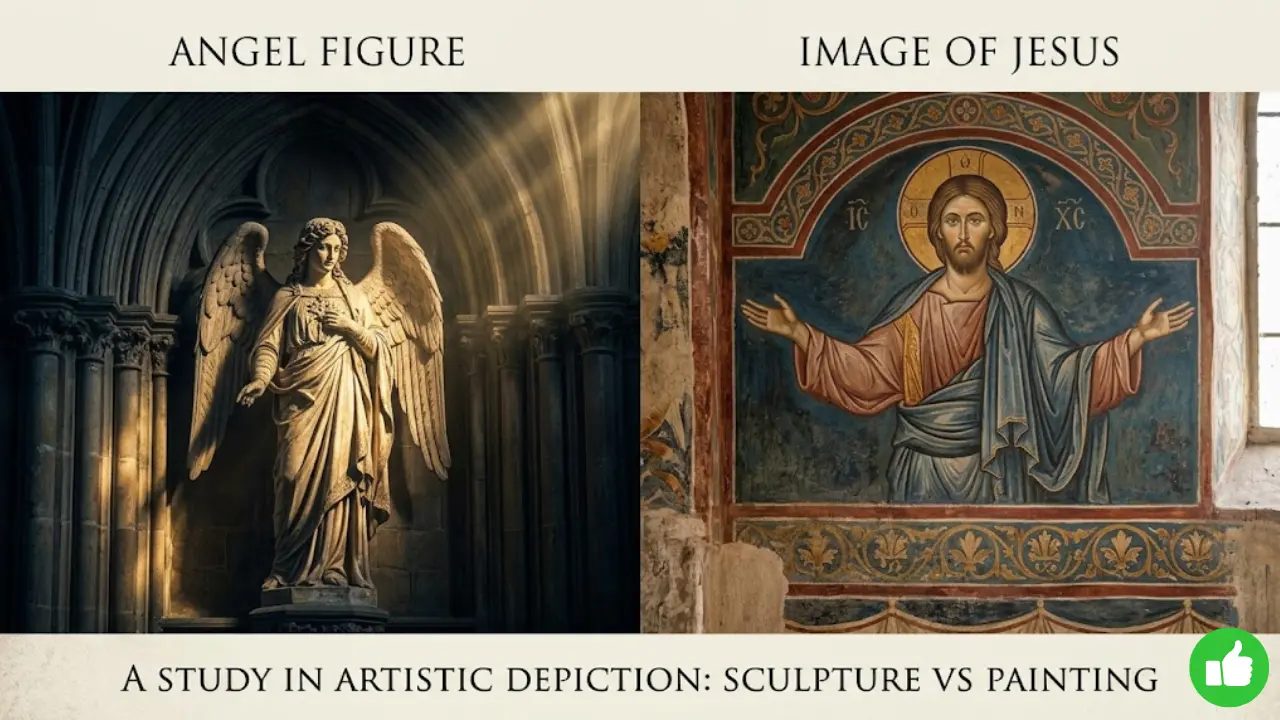

Among the most intriguing and often misunderstood beliefs of Jehovah’s Witnesses is their teaching that Jesus Christ is identified with the archangel Michael. For many readers, this raises immediate questions: How can Jesus be an angel? Where does this idea come from in the Bible? And why do Jehovah’s Witnesses interpret Scripture this way when most Christians do not?
This belief is not symbolic or loosely held—it is part of a structured theological system. To understand it clearly, it is important to examine who Michael is in the Bible, how Jehovah’s Witnesses connect him to Jesus and how this interpretation fits into their overall belief about God and authority.
Who Is Michael the Archangel in the Bible
Michael is one of the few angels specifically named in Scripture and his role is consistently associated with authority, protection and leadership in the spiritual realm.
Michael as a Leading Figure Among Angels
In biblical texts, Michael is described as:
- A chief prince who stands for God’s people (Daniel 10–12)
- A powerful spiritual warrior
- A leader involved in heavenly conflict
These descriptions present Michael not as an ordinary angel, but as a figure of high rank and responsibility.
Meaning and Importance of “Archangel”
The title “archangel” means “chief angel” or “leader of angels.” The Bible explicitly refers to Michael as the archangel, not one among many.
Jehovah’s Witnesses emphasize that:
- Only Michael is directly called the archangel in Scripture
- This suggests a unique, singular role
- He holds authority over other angels
This becomes a key starting point for their interpretation.
Why Jehovah’s Witnesses Identify Jesus With Michael
Jehovah’s Witnesses believe that Michael and Jesus Christ are the same being, but functioning in different roles across time—before and after Jesus’ earthly life.
Jesus’ Existence Before Coming to Earth
According to Jehovah’s Witness teaching, Jesus did not begin his existence on earth. Instead:
- He existed in heaven before his human birth
- He was created by Jehovah as a spirit being
- He held a high position in the heavenly arrangement
They identify this pre-human existence of Jesus as Michael the archangel.
Scriptural Reasoning Behind This Belief
Jehovah’s Witnesses connect Jesus and Michael through several scriptural themes rather than one direct statement.
They point to:
- 1 Thessalonians 4:16, where Jesus is associated with the voice of an archangel
- Revelation 12:7, where Michael leads angels in battle
- Passages describing Jesus as leading heavenly armies
From their perspective, these similarities indicate that both descriptions refer to the same individual.
What Role Jesus Plays After His Resurrection
Their belief about Michael also extends beyond Jesus’ life on earth into his role after resurrection.
Return to a Heavenly Position
Jehovah’s Witnesses believe that after his resurrection, Jesus Christ returned to heaven as a spirit being rather than remaining in a physical form.
They teach that:
- He resumed his pre-human identity
- He continues to serve under Jehovah
- He now rules as King in God’s Kingdom
This aligns with their view that Jesus is Michael in his heavenly role.
One Identity Across Different Stages
Rather than seeing Jesus and Michael as separate figures, they understand them as:
- The same being in different forms
- One identity expressed in different roles
- A continuous existence before, during, and after earthly life
This creates a unified narrative in their theology.
How This Belief Differs
This teaching is one of the clearest distinctions between Jehovah’s Witnesses and most Christian denominations.
Mainstream Christian Understanding of Jesus
In many Christian traditions:
- Jesus Christ is eternal and uncreated
- He is not an angel or part of creation
- He is seen as divine in a unique and unmatched way
This view separates Jesus completely from angels.
Why Other Christians Reject the Michael Interpretation
Most Christians reject the idea that Jesus is Michael because:
- The Bible does not explicitly say so
- Jesus is often described as superior to angels (Hebrews 1)
- Angels are created beings, while Jesus is viewed as divine
These differences lead to fundamentally different conclusions.
How This Teaching Fits Into Jehovah’s Witness Theology
This belief is not isolated—it fits logically within their broader theological structure.
A Clear Hierarchy of Authority
Jehovah’s Witnesses believe in a defined order:
- Jehovah as the supreme God
- Jesus (Michael) as the highest created being
- Angels under his leadership
This structure reflects their rejection of the Trinity and emphasis on hierarchy.
Consistency With Their View of Jesus
Because they believe Jesus is not equal to God, identifying him as Michael supports their overall view that:
- Jesus is powerful but not Almighty
- He serves under Jehovah’s authority
- He plays a central role without being God
This creates internal consistency in their beliefs.
Why This Belief Attracts So Much Attention
The idea that Jesus is Michael often surprises people because it differs from widely known Christian teachings.
Unique but Structured Interpretation
Jehovah’s Witnesses approach the Bible in a way that:
- Connects themes across different books
- Emphasizes literal interpretation
- Avoids traditional doctrines they consider unbiblical
This leads to conclusions that may seem unusual but follow their internal logic.
Its Impact on Understanding Jesus’ Identity
This belief changes the perspective on Jesus significantly:
- From being God to being a created being
- From equal authority to subordinate authority
- From divine mystery to structured role
It reshapes how his mission and purpose are understood.
Perspective on This Teaching
Understanding this belief requires recognizing the role of interpretation in theology.
Built on Interpretation
The Bible does not directly state that Jesus is Michael. Jehovah’s Witnesses arrive at this conclusion by connecting multiple passages and themes.
This highlights:
- The importance of interpretation
- The influence of theological frameworks
- Why different groups reach different conclusions
Why Understanding This Belief Matters
Even without agreement, understanding:
- Reduces confusion about their teachings
- Provides context for their beliefs about Jesus
- Encourages respectful and informed discussion
It helps explain many other aspects of their faith and practice.
Related Topics Worth Exploring Next
- Do Jehovah’s Witnesses Believe in the Trinity? Biblical Explanation
- Jehovah’s Witnesses Beliefs Guide: Faith, Rules and Daily Life
Frequently Asked Questions
Why do Jehovah’s Witnesses say Jesus is Michael?
They connect biblical passages describing Michael’s authority and Jesus’ leadership to conclude both refer to the same individual.
Is Michael the Archangel mentioned in the Bible?
Yes, Michael is mentioned in books like Daniel, Jude and Revelation as a powerful angel and leader in spiritual battles.
What role does Michael play in Jehovah’s Witness beliefs?
Michael is seen as a chief angel and heavenly leader, identified with Jesus in his pre-human and post-resurrection form.
What Bible verse connects Jesus to an archangel?
Jehovah’s Witnesses often refer to 1 Thessalonians 4:16, where Jesus is associated with the voice of an archangel.
Why is this belief important in Jehovah’s Witness theology?
It supports their view that Jesus is not God but a powerful created being under Jehovah, aligning with their rejection of the Trinity.
