
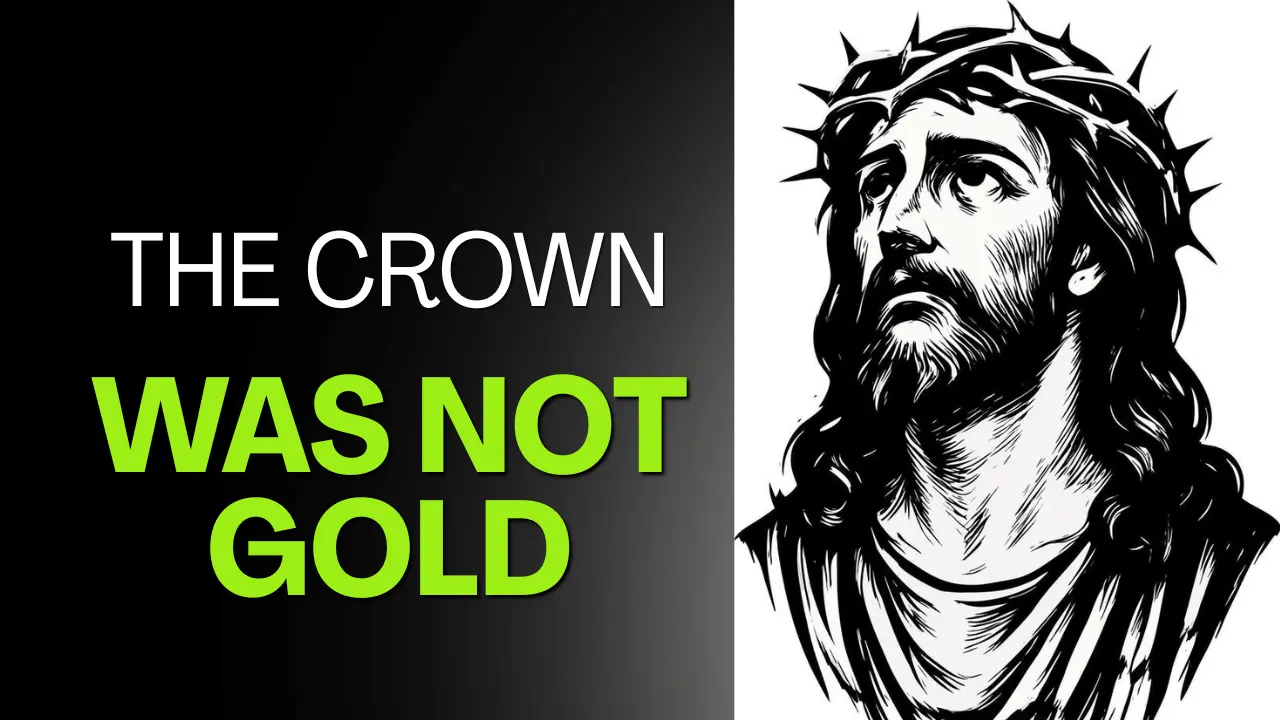

Among the details recorded during the trial and crucifixion of Jesus, one image stands out with painful clarity: a crown woven from thorns pressed onto His head.
The Roman soldiers placed it there deliberately. It was not accidental. It was not decorative. It was mockery.
If Jesus had been accused of claiming to be a king, the soldiers responded with a parody of kingship. They clothed Him in a robe, placed a reed in His hand like a scepter, and bowed sarcastically before striking Him.
The scene is brutal and humiliating. Yet within that cruelty lies deep symbolism. Why was Jesus mocked with a crown of thorns?
A Mock Coronation
The soldiers staged a mock coronation. In the Roman world, kingship symbolized authority, victory, and strength. A crown was a visible sign of honor.
By crafting a crown of thorns, the soldiers turned that symbol upside down. Instead of gold, there were sharp branches. Instead of honour, there was ridicule. Instead of a throne, there was a path to execution.
The mockery was intentional. It targeted the claim that Jesus was “King of the Jews.”
The soldiers were not engaging in theological debate. They were participating in humiliation.
The Symbolism of Thorns
Thorns carry meaning within biblical imagery. In Genesis, thorns appear as part of the curse following humanity’s fall. They represent hardship, frustration, and the brokenness of creation.
By placing thorns on His head, the soldiers unknowingly created a powerful symbol.
The crown of thorns can be understood as representing the weight of a fallen world. It embodies suffering and the consequences of sin. The image of a king wearing thorns suggests that He enters into the curse rather than avoiding it.
The crown becomes more than mockery. It becomes metaphor.
Kingship Redefined
The crown of thorns confronts conventional ideas of power. Earthly kings display strength through dominance and visible authority. Their crowns symbolize triumph.
The crown placed on Jesus symbolized suffering.
This inversion reveals something central to the Christian understanding of leadership. Kingship in the kingdom of God does not resemble political dominance. It reflects self-giving love.
The mockery inadvertently highlighted the difference between worldly authority and sacrificial kingship. What was meant as insult became revelation.
Public Humiliation
The soldiers struck Jesus, spat on Him, and knelt in false homage. Public shame was part of Roman punishment. It was meant to degrade and intimidate. The crown amplified the humiliation.
It was not enough to execute. The identity of kingship had to be ridiculed. This detail deepens the emotional weight of Good Friday. The suffering was not only physical. It was psychological and social.
Yet within that humiliation, dignity remained.
The Title Above the Cross
Later, a sign was placed above the cross reading “King of the Jews.” This inscription, meant to declare the charge against Him, reinforced the theme of kingship.
The religious leaders objected to the wording, but the title remained. Between the crown of thorns and the inscription, the narrative repeatedly highlights the theme of kingship.
The irony is powerful.
The one mocked as king was, according to Christian belief, embodying a deeper kingship through obedience and sacrifice.
Bearing the Curse
The connection between thorns and the curse in Genesis adds theological depth. If thorns symbolize the brokenness introduced by sin, then wearing them becomes symbolic participation in that brokenness.
The crown of thorns suggests that the suffering of the cross addresses not only individual wrongdoing but the condition of creation itself. The image of thorns pressed into flesh portrays the cost of restoration.
The mockery, though cruel, becomes layered with meaning.
Strength in Vulnerability
From a human perspective, the scene appears weak. A king mocked. A crown of pain. Soldiers laughing.
Yet vulnerability in this moment reflects strength of a different kind.
Enduring humiliation without retaliation reveals controlled power. Submission without collapse demonstrates resolve. The crown of thorns represents the paradox of the cross: strength expressed through surrender.
What looked like defeat was part of fulfillment.
Why This Detail Endures
The image of the crown of thorns has endured across centuries because it captures contrast vividly.
It contrasts honor and shame. Authority and ridicule. Glory and suffering.
It forces reflection on what true leadership looks like. The crown reminds believers that faith is not centred on outward dominance but on sacrificial love.
It also invites humility. The one wearing thorns did so willingly.
The Pain Behind the Symbol
It is important not to reduce the crown of thorns to symbolism alone. It inflicted real pain. Thorns pressed into the scalp would have caused bleeding and intense discomfort.
The physical reality matters.
The suffering was tangible.
Christian reflection does not sanitize the cross. It acknowledges that redemption involved genuine cost. The crown was not symbolic in the soldiers’ hands. It became symbolic in hindsight.
From Thorns to Glory
The narrative of Holy Week does not end with the crown of thorns. It moves toward resurrection. The temporary crown of suffering gives way to the promise of eternal reign.
In Christian belief, humiliation precedes exaltation.
The thorns are not the final word.
They are part of the pathway.
A Crown Unlike Any Other
Why was Jesus mocked with a crown of thorns? Because soldiers intended to ridicule a claim of kingship.
Yet within that ridicule lies profound truth.
The crown of thorns reveals a king who enters suffering rather than escaping it. It shows authority expressed through humility. It portrays leadership defined by sacrifice. What was meant as mockery became meaning.
The image remains powerful because it forces reconsideration of power itself.
A crown of gold symbolizes dominance.
A crown of thorns symbolizes love willing to endure pain for others.
And in that contrast, the heart of Good Friday becomes visible.
You may also want to explore:
- Why Was Barabbas Released Instead of Jesus?
- Why Did the Sky Go Dark at the Crucifixion?
- Why Did Peter Deny Jesus?
- 7 Signs You Are Not as Easily Shaken Anymore
- Why Is It Called Good Friday?
Frequently Asked Questions
Why did the soldiers put a crown of thorns on Jesus?
The Roman soldiers mocked Jesus’ claim to kingship by placing a painful crown of thorns on His head as part of their humiliation.
What does the crown of thorns symbolize?
Many Christians see it as symbolizing suffering, the curse of sin, and kingship expressed through sacrifice.
Why does the crown of thorns still matter today?
It challenges ideas of power and reminds believers that true authority is expressed through sacrificial love.
Was the crown of thorns meant to cause pain?
Yes. Thorns pressed into the scalp would have caused bleeding and physical agony.
Why is kingship emphasized during the crucifixion?
Jesus was accused of claiming to be “King of the Jews,” so the mockery focused on that title.

1 thought on “Why Was Jesus Mocked With a Crown of Thorns?”