
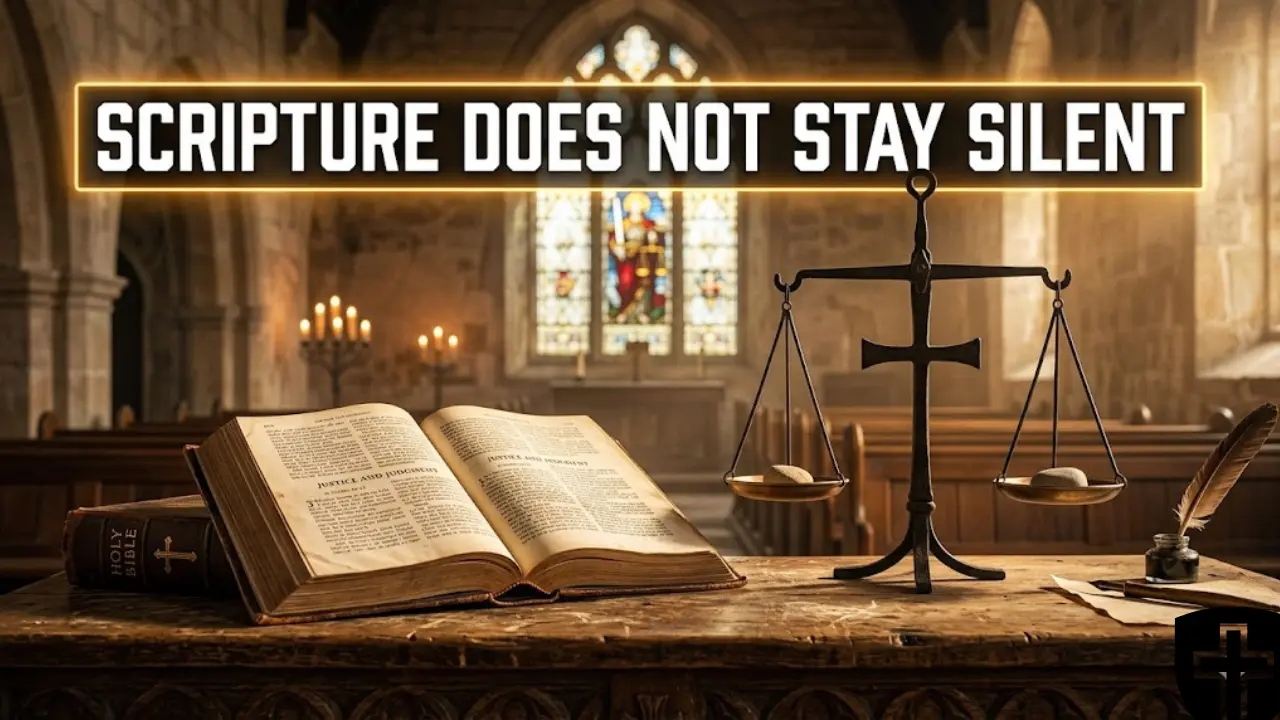

Oppression is one of the Bible’s most serious moral themes because it reveals what happens when power is severed from righteousness. Scripture does not treat oppression as a minor social flaw or an unfortunate side effect of human life. It presents it as a direct assault on human dignity, a public expression of sin and a matter that provokes the judgment of God. From Genesis to the prophets, from the Psalms to the teachings of Jesus, the Bible consistently shows that God sees the suffering of the afflicted, hears the cry of the wronged and acts against those who exploit, crush and abuse others. To understand oppression biblically, we have to see both sides of the message clearly: God defends the vulnerable and God judges injustice.
Bible treats Oppression as a deep moral evil
In Scripture, oppression is never described as a neutral imbalance of circumstances. It is a moral crime. It happens when those with strength, authority, wealth, influence or advantage use that position to harm others rather than serve them. The Bible exposes oppression not only in kings and nations, but also in merchants, judges, employers, landowners and ordinary people. This makes the biblical teaching especially searching. Oppression is not limited to dramatic tyranny. It can appear anywhere power is used without truth, mercy or righteousness.
Oppression means more than open violence
Many readers think of oppression only in terms of public brutality, but the Bible speaks more broadly. Oppression includes cheating the poor, withholding wages, corrupting justice, taking advantage of the weak, denying the truth and using influence to silence those who cannot fight back. In other words, oppression often works through structures of unfairness and habits of domination, not only through physical force.
This is why the Old Testament repeatedly condemns dishonest scales, bribery, false testimony, and favouritism in judgment. These may not look violent at first glance, yet they create real suffering. A poor person denied justice in court, a labourer defrauded of wages or a widow neglected by those in authority experiences true oppression even when no sword is drawn. The Bible sees this clearly and refuses to reduce evil only to its most dramatic forms.
God links oppression to pride
Biblically, oppression grows from a corrupted heart. It is fuelled by pride, greed, self-exaltation and indifference to the image of God in others. Oppressors usually do not begin by announcing evil intentions. They begin by valuing their gain more than another person’s dignity. They justify selfish advantage, ignore suffering and slowly lose the ability to see the vulnerable as neighbours worthy of protection.
That is why oppression in the Bible is often associated with arrogance. The proud assume they are untouchable. They believe position gives them permission. They trust power more than truth. But Scripture repeatedly warns that God opposes the proud and brings down those who exalt themselves through injustice. Oppression may look strong in the moment, but in the biblical view it is always unstable because it stands against the character of God.
God sees the suffering of the oppressed
One of the most comforting and sobering truths in the Bible is that oppression never escapes God’s notice. Human courts may fail. Witnesses may remain silent. Systems may protect the powerful. But Scripture insists that God sees what others refuse to see. He is not distant from the cry of the afflicted. Divine justice begins with divine attention.
Exodus reveals God as the deliverer of the oppressed
One of the clearest biblical demonstrations of this truth is Israel’s bondage in Egypt. The people groaned under harsh slavery and God declared that He had seen their affliction, heard their cry and known their sufferings. This moment is foundational because it shows that oppression is not invisible to heaven. God does not ignore cruel power simply because it appears politically secure.
The Exodus also reveals that divine justice is not abstract. God does not merely sympathize from afar. He acts. He confronts Pharaoh, exposes false power, humbles oppressive rule and brings His people out. This is one of the great patterns of biblical justice: when human power becomes arrogant and destructive, God eventually answers it with judgment.
Psalms give language to the cry for justice
The Psalms often speak from the perspective of people who are slandered, crushed, hunted or mistreated. They cry out because evil seems unchecked. The wicked prosper, the innocent suffer and justice appears delayed. Yet the Psalms keep returning to the same confidence: God is a refuge for the oppressed, a righteous judge and a defender of those who have no earthly protector.
This matters because the Bible does not tell the oppressed to pretend everything is fine. It gives them words for lament, protest, grief and hope. Crying out to God for justice is not faithlessness. It is an act of faith. It acknowledges that human help is limited but divine judgment is certain. The oppressed are invited to bring their pain before the One who judges rightly.
Divine silence is never divine indifference
A hard question often arises when reading biblical teaching on oppression: if God sees, why does injustice last so long? Scripture does not answer this with easy formulas. Instead, it offers a deeper assurance. Delay is not denial. The fact that judgment is not immediate does not mean God is absent. Again and again, the Bible shows that evil often ripens before it is exposed and oppressive power often appears secure before it collapses.
This truth requires patience, but not passivity. The Bible teaches that God’s justice may be delayed in human perception, yet it is never abandoned. That conviction sustains hope in a broken world where many wounds are real and many wrongs remain unresolved for a time.
Prophets speak against oppression
If any part of Scripture makes God’s view of oppression unmistakable, it is the prophetic books. The prophets do not treat injustice as a side issue compared with worship. They present oppression as proof that a society has turned from God. A people may have ceremonies, language and public religion, but if they crush the weak, God’s verdict remains severe.
Isaiah condemns religion without justice
Isaiah opens with a startling rebuke. God rejects the people’s worship because their lives are stained with evil. Instead of empty ritual, He calls them to seek justice, correct oppression, defend the fatherless and plead for the widow. This reveals an essential biblical principle: God does not accept devotion that leaves oppression untouched.
This is especially important for readers who imagine justice as secondary to faith. Scripture says otherwise. True worship and righteous treatment of others belong together. A person cannot claim nearness to God while using power to harm, neglect or exploit those who are vulnerable.
Amos exposes societies that profit from the weak
The book of Amos shows oppression operating in economic and public life. The poor are trampled, the needy are pushed aside and those with privilege continue in comfort while pretending moral innocence. Amos is so powerful because it exposes respectable oppression. The people are not presented merely as obviously monstrous. They are prosperous, religious and self-assured. Yet God sees through the surface.
This remains one of the most piercing biblical warnings. Oppression often hides inside normal life. It can be protected by habit, status, commerce and public image. Amos tears away those coverings and shows that God measures societies by truth and righteousness, not appearances.
Micah shows what God actually requires
Micah brings great clarity when he says that God requires people to do justice, love mercy and walk humbly with Him. That statement matters because it prevents distortion. Divine justice is not cold punishment alone. It includes moral rightness, covenant faithfulness, compassion and humility before God.
Oppression thrives where humility dies. When people no longer fear God, they begin treating others as tools, obstacles or burdens. But where justice and mercy are loved together under God’s authority, oppression loses its moral cover.
Jesus shows God’s heart toward the abused
The New Testament does not move away from these themes. Jesus carries them into fuller light. He confronts hypocrisy, exposes abusive spiritual leadership and consistently notices those whom society overlooks. In Him, divine justice becomes deeply personal.
Jesus opposes leaders who burden others unjustly
Jesus reserved some of His strongest words for leaders who used religious authority without righteousness. He condemned those who laid heavy burdens on others while refusing true mercy, justice and faithfulness. This shows that oppression can wear a religious face. It is possible to speak in God’s name while acting against God’s character.
That warning still matters. Any authority, whether spiritual, social or personal, becomes oppressive when it loses humility and truth. Jesus does not merely denounce cruelty from a distance. He unmasks it where it hides behind respectability.
Jesus gives dignity to those pushed aside
Throughout the Gospels, Jesus repeatedly draws near to the weary, excluded and overlooked. He speaks to those others dismiss, receives those others shame and restores dignity to those treated as disposable. This does not mean He ignores sin or moral truth. Rather, He refuses to let human worth be crushed under prejudice, hypocrisy or hard-heartedness.
In this way, Jesus reveals that divine justice is not only about punishment of wrong. It is also about the restoration of what oppression damages. Where people have been silenced, burdened or devalued, Christ’s ministry brings light, truth and mercy.
Oppression will not have the final word
The Bible’s message about oppression is serious because evil is serious. But it is also hopeful because God is just. Divine justice means oppressors are not ultimate, suffering is not unseen and history is not ruled by raw power alone. God judges evil, defends the vulnerable and calls His people to reflect His righteousness now.
Christians are called to reject oppression in ordinary life
Biblical teaching does not allow believers to discuss oppression only as a distant issue. It must shape speech, leadership, work, money, relationships and judgment. Christians are called to deal honestly, act fairly, protect the weak and refuse every form of exploitation. The call is not merely to admire justice, but to practice it.
Hope rests in God’s final righteous judgment
Not every wrong is corrected in this life. Some oppressors remain unrepentant. Some victims do not receive earthly vindication. The Bible speaks honestly into that grief while pointing beyond it. God’s judgment is final, true and inescapable. Because of that, oppression is never the end of the story.
Where this theme can lead your reading next
- How Biblical Justice Shapes Everyday Christian Living
- Biblical Meaning of Justice: What the Bible Teaches About Righteousness
Frequently Asked Questions
What does the Bible say about oppression?
The Bible strongly condemns oppression and shows that God sees the suffering of the afflicted, hears their cries and judges those who abuse power or deny justice.
How does God respond to oppression in Scripture?
God responds by defending the vulnerable, exposing injustice, calling people to repentance and bringing judgment on those who persist in cruelty and corruption.
Why is oppression such a serious issue in the Bible?
Oppression is serious because it violates human dignity, distorts righteousness and goes against God’s character, which is just, holy and compassionate.
Which Bible verses talk about oppression and justice?
Key passages include Exodus 3, Psalm 9, Psalm 10, Isaiah 1, Amos 5, Micah 6:8 and Matthew 23, all of which connect God’s justice with care for the oppressed.
Is oppression only about physical violence in the Bible?
No. Biblical oppression also includes unfair judgment, withheld wages, dishonest business, abuse of authority, exploitation and neglect of vulnerable people.

1 thought on “What the Bible Says About Oppression and Divine Justice”