
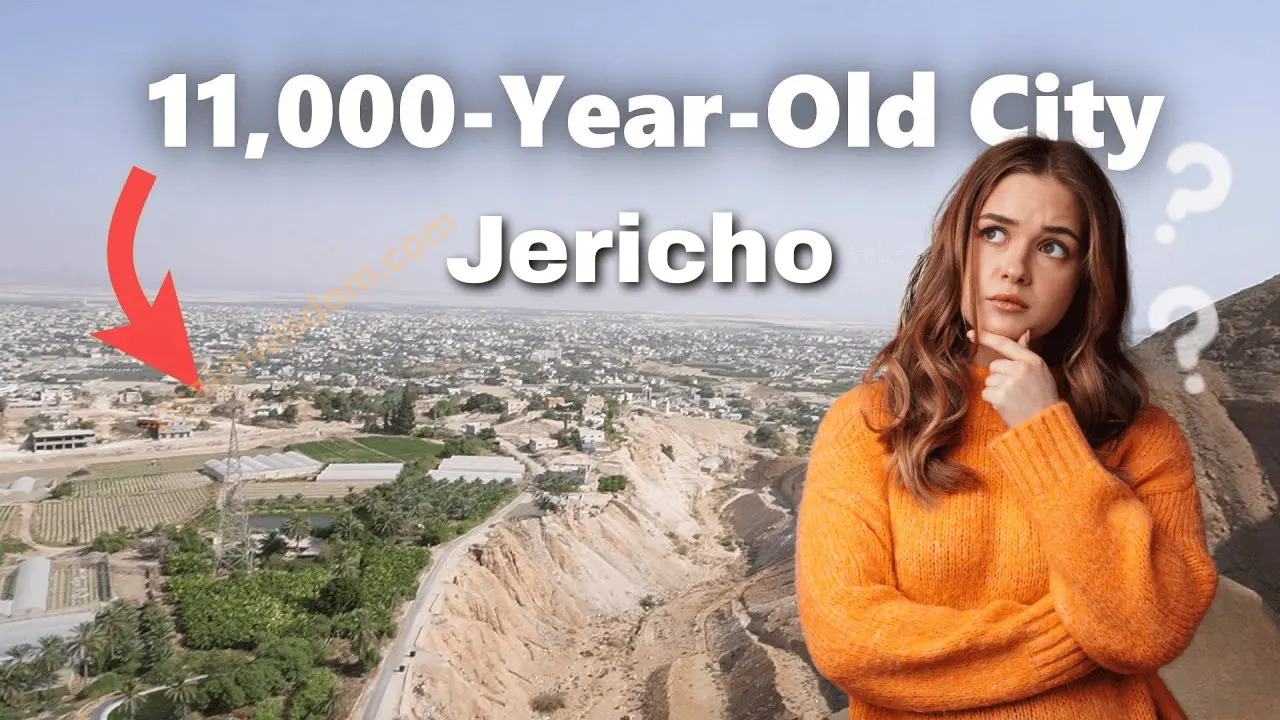

Some cities are remembered for their monuments, others for their legends. Jericho stands out for both. Known widely as the site of Joshua’s famous biblical battle, the City of Jericho is far more than a dramatic story preserved in scripture. It is one of the oldest inhabited cities on Earth, with archaeological layers that reach back thousands of years, long before the first written word or recorded kingdom.
Perched near the Jordan River and nestled in the shadows of the Judean Mountains, Jericho reveals a tapestry of human resilience. Despite its desert surroundings, it has thrived for millennia due to its fertile oasis and dependable water source. In many ways, the story of Jericho is the story of civilization itself — the rise of agriculture, ancient trade, fortified cities, and profound spiritual narratives.
1. The Ancient Foundations of the City of Jericho
The City of Jericho began long before it became a symbol of faith or a focal point of ancient storytelling. Its earliest chapters unfold in the deep layers of prehistory.
A Settlement Older Than Civilization Itself
Archaeologists have uncovered evidence showing Jericho was settled as early as 10,000 BCE, during the Neolithic period — a startlingly early date that predates the Egyptian pyramids, Mesopotamian ziggurats, and even the first known systems of writing.
Why was Jericho such an ideal location?
- A natural spring—Ain es-Sultan—offered a year-round water source.
- The oasis environment allowed early agriculture, including wheat and barley.
- Strategic geography made it a natural hub between the Jordan Valley, the highlands, and desert regions.
These early inhabitants built what many archaeologists consider the world’s oldest known stone fortification, complete with a massive wall and tower. The discovery rewrote the timeline of human engineering and society, suggesting that centralized planning existed far earlier than once believed.
Layers of Civilization Beneath the Modern City
Jericho’s ancient mound, known as Tell es-Sultan, contains dozens of layers of settlement. Each layer offers a glimpse into different eras of human life—Canaanite, Israelite, Hellenistic, Roman, Byzantine, and beyond. With every excavation, the city yields new clues about how people adapted, built, traded, worshipped, and survived over thousands of years.
2. The Geography and Setting of Jericho
If Jericho’s long timeline reveals the resilience of its people, its landscape explains why those people settled there in the first place. The city sits in a setting so unusual, so geographically distinct, that it naturally shaped its destiny. Without its environment — the warm air, the protective mountains, the dependable water — Jericho might never have become the enduring oasis we know today.
A City Positioned Below Sea Level
Long before written history, early settlers gravitated toward Jericho because of its life-giving landscape. But one detail still surprises many: the city is not just low; it holds a world record.
A Look at Its Remarkable Elevation
Jericho lies at approximately 846 feet below sea level, making it the lowest city on Earth. This unusual geography creates a unique climate—warm winters, hot summers, and an ecosystem that differs from the surrounding desert.
Why Geography Shaped Jericho’s Story
For ancient travellers moving through arid landscapes, Jericho was a startling sight: a pocket of green in an ocean of sand and stone. Its reliable spring ensured that crops could grow, animals could be raised, and communities could flourish.
- Trade routes naturally converged here, making Jericho a busy crossroads for goods, travellers, and ideas.
- Military leaders viewed it as a gateway city — whoever controlled Jericho often controlled access to the central highlands.
- Agricultural innovation thrived thanks to fertile soil and steady water, turning Jericho into a centre for early farming.
- Cultural exchanges took place constantly, as merchants, nomads, scholars, and pilgrims passed through its warm valley.
3. Jericho in the Bible: A City of Symbolism and Story
To many readers around the world, Jericho is best known through scripture. It appears throughout the Bible, symbolizing faith, perseverance, judgment, and renewal.
The Famous Battle of Jericho
The most well-known account is found in the book of Joshua. After the Israelites entered the Promised Land, Jericho was the first major city they encountered. According to the narrative, God instructed Joshua and the Israelites to march around the city for seven days. On the seventh day, they circled it seven times, sounded their trumpets, and the walls of Jericho fell.
Other Biblical References to Jericho
- In the Gospels, Jericho is the setting for Jesus healing blind Bartimaeus.
- In the story of the Good Samaritan, the road between Jerusalem and Jericho forms the backdrop.
- It is also associated with Elijah and Elisha, adding prophetic importance to the region.
The city’s biblical identity intertwines with its physical and historical presence, giving it lasting spiritual resonance.
4. What the Name “Jericho” Really Means
Names in the ancient world rarely emerged by accident. They carried layers of symbolism — reflections of geography, religion, daily life, or the aspirations of the people who lived there. Jericho is a perfect example of this tradition. Its name, shaped by the languages and cultures that moved through the region, offers a glimpse into how ancient peoples understood the city long before modern archaeology attempted to explain it.
The Roots and Symbolism of the Name
- “City of the Moon” — Many ancient cultures worshipped lunar deities, and this meaning suggests Jericho may have once been associated with moon-related rituals or a local moon god.
- “Fragrant Place” — This meaning paints a more sensory picture. Jericho’s oasis supported balsam trees, date palms, and aromatic plants uncommon in the harsher surrounding regions.
- A derivative of “Yareach” — This linguistic connection reinforces the moon symbolism and reflects the deep cultural overlap between languages in the ancient Near East.
Because Jericho thrived in a region otherwise marked by desert landscapes, ancient peoples often associated it with life, renewal, and blessing. Many of these symbolic meanings still resonate today, especially among those exploring its biblical connections.
5. Archaeological Insights That Illuminate Jericho’s Past
Modern excavations have revealed astonishing details about Jericho’s ancient life—details that both affirm and complicate traditional understandings.
Discoveries That Changed History
Some of the most ground-breaking finds include:
- The Neolithic tower, possibly used as a defensive structure or ceremonial landmark
- Massive stone walls from different eras of settlement
- Ancient homes, food storage pits, and agricultural tools
- Evidence of early urban planning, far predating many other ancient cities
These discoveries positioned Jericho not simply as a biblical symbol but as a cornerstone in the study of early human civilization.
Balancing Archaeology and Tradition
Not all archaeological findings perfectly align with biblical timelines, and scholars continue to debate the chronology of various layers. Yet both disciplines — archaeology and scripture — offer meaningful insights. Together, they paint a richer, more nuanced picture of Jericho’s role in ancient history.
For readers wanting a deeper look into these excavations, the Biblical Archaeology Society provides accessible academic resources.
6. Jericho’s Influence on Culture and Memory
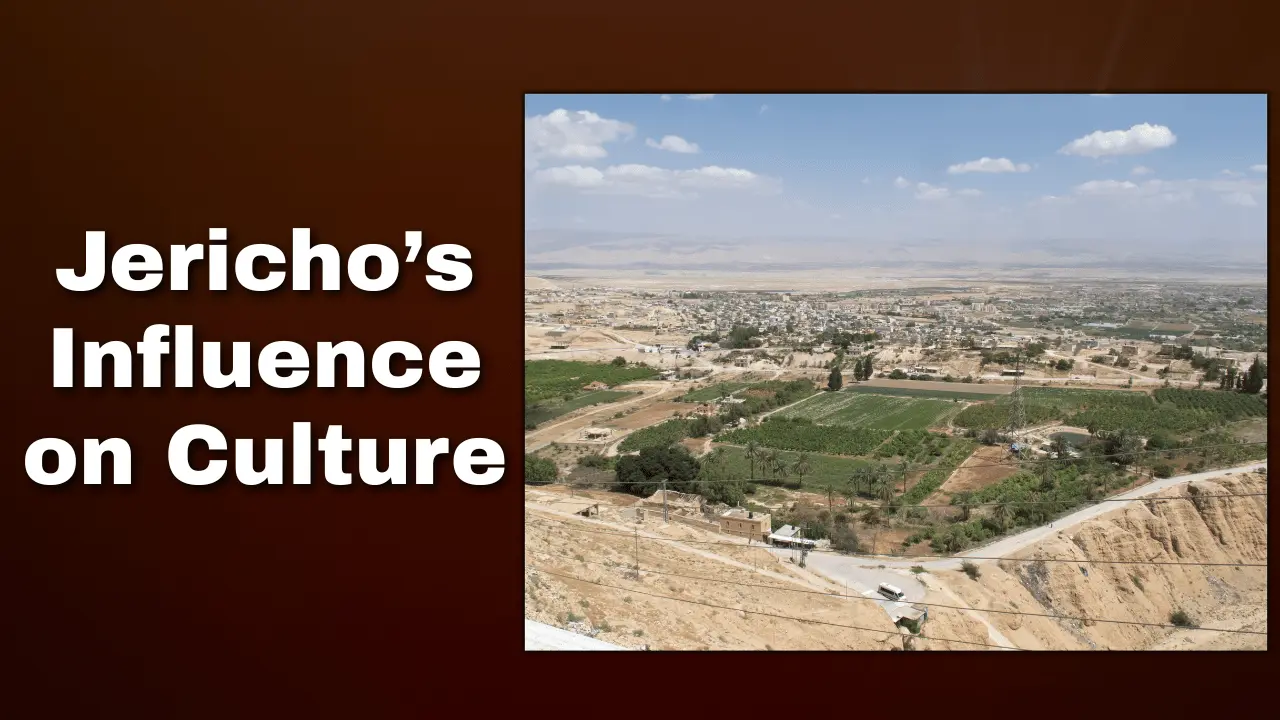
Some cities remain important because of their monuments; others endure because of their stories. Jericho manages to do both. Its archaeological depth and spiritual symbolism have secured it a lasting place in the world’s collective imagination. Even people who may not know its exact location can recognize the phrase “the walls of Jericho,” a testament to how deeply its story has seeped into culture.
A City That Lives in Literature, Art, and Faith
From Renaissance paintings to modern worship songs, Jericho has inspired expressions of faith and creativity for centuries. Its story has been retold in sermons, poems, children’s stories, and countless works of art.
A Modern City With an Ancient Soul
Today, visitors to Jericho encounter a blend of archaeological sites, traditional markets, desert landscapes, and vibrant local culture. While much has changed over time, the echoes of its past shape the city’s identity, offering travellers and scholars a rare glimpse into humanity’s earliest chapters.
Why the City of Jericho Still Matters
The City of Jericho is more than a dot on a map or a footnote in ancient history. It is a testament to human endurance, innovation, faith, and imagination. From the earliest farmers who settled its fertile oasis to the biblical stories that continue to inspire millions, Jericho stands as a bridge between the ancient world and the modern one.
Whether explored through archaeology, scripture, geography, or cultural impact, Jericho remains a living symbol of how humanity grows, adapts, believes, and remembers.
