
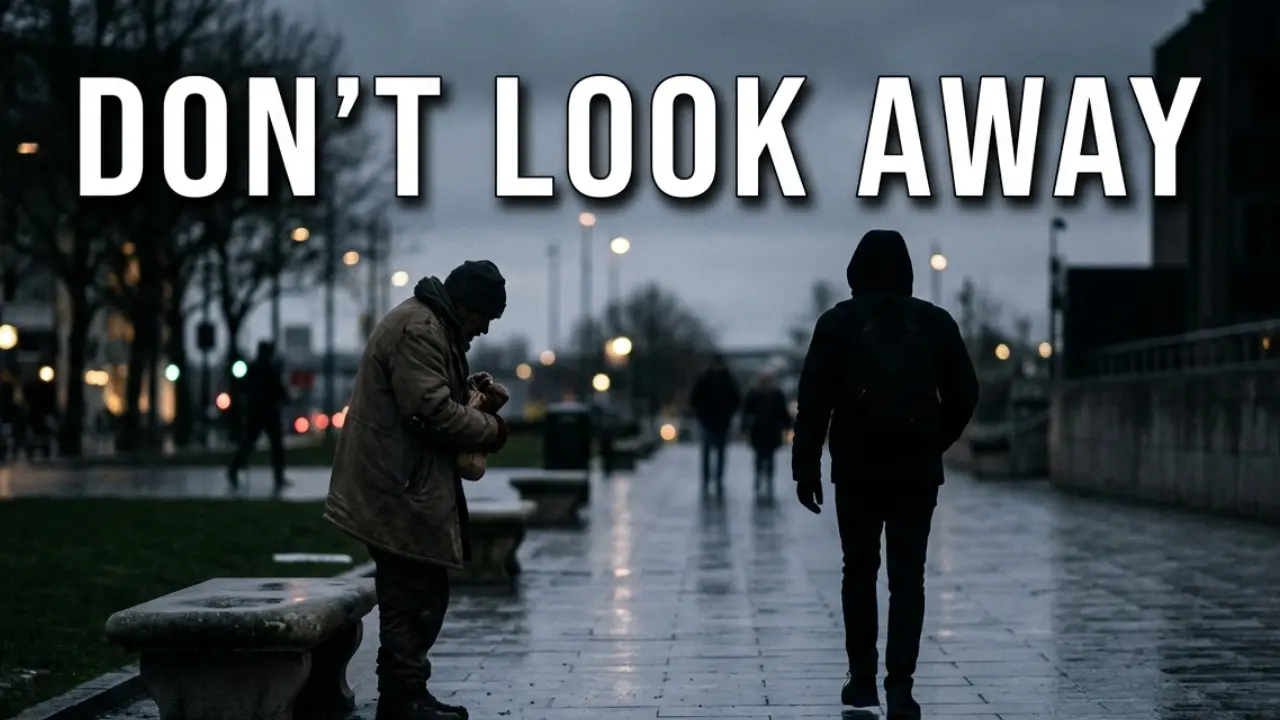

Some questions in Scripture do not remain in the past. They continue to echo across time, quietly following human behaviour in different forms. The question “Am I my brother’s keeper?” found in Book of Genesis 4:9 is one of those moments that feels just as relevant now as it did then.
Cain did not ask this question out of confusion. He already knew what had happened. His words were not an attempt to understand the truth but an effort to avoid it. That is what gives the question its weight. It reveals a response shaped by distance, guilt and refusal rather than honesty.
This is why the question still matters. It appears in quieter ways whenever people turn away from responsibility, ignore someone’s need or create distance instead of stepping closer. The words may not be spoken out loud but the attitude behind them remains familiar.
Looking closely at this moment helps uncover deeper truths about responsibility, relationships and how people respond when faced with accountability. These five truths bring clarity to what Cain’s question really reveals.
1. A Question That Hides Guilt
The Context Behind the Question
By the time Cain speaks these words, the damage is already done. His brother is gone and the weight of that action is real. God’s question, “Where is your brother?” is not asked because God lacks information. It is an invitation for Cain to respond honestly.
Instead of facing the truth, Cain chooses another path. His answer avoids the real issue. He does not confess. He does not explain. He shifts the direction of the conversation.
Avoiding Responsibility
There is something familiar in this response. When people feel exposed the first reaction is often to protect themselves. Cain does that by speaking in a way that creates distance. He answers a question with another question, hoping to avoid accountability.
It is not always obvious but this kind of avoidance happens often. People may not deny their actions directly but they find ways to move away from responsibility. They minimize, deflect or remain silent.
Truth Revealed
At some point, it becomes clear that hiding does not remove guilt. It only delays facing it. God sees beyond words and beyond silence. What Cain tried to avoid was already known.
This truth still matters. No matter how carefully someone hides or redirects the truth remains. Real freedom begins when a person stops avoiding and starts facing what is real before God.
Also Read: Why Cain Killed Abel in the Bible and What Caused the First Murder
2. A Heart That Rejects Responsibility
What “Keeper” Really Implies
The word “keeper” carries more meaning than it may seem at first. It speaks of care, attention and concern. A keeper watches, protects and values what is entrusted to them. It is not about control but about responsibility.
When Cain asks if he is his brother’s keeper, he is pushing back against that idea. He is questioning whether he should care at all.
Cain’s Attitude
What stands out is not just what Cain says, but the tone behind it. There is distance in his response. He speaks as if his brother’s life has nothing to do with him.
That attitude reveals something deeper than the act itself. It shows a heart that has already stepped away from care. The relationship was broken long before the question was spoken.
Truth Revealed
You begin to see that responsibility is not something forced from the outside. It comes from the heart. When care is removed responsibility feels like a burden instead of something natural.
God’s design for human relationships includes care for one another. Ignoring that does not remove responsibility. It only exposes a deeper problem within.
3. Sin Breaks Human Relationships
From Brotherhood to Conflict
Cain and Abel were not strangers. They were brothers. They shared the same family the same beginning, the same environment. Yet something changed along the way.
Jealousy began to grow in Cain’s heart. Instead of dealing with it, he allowed it to deepen. What started as an internal struggle turned into outward action.
The Effect of Sin
Sin rarely stays contained. It moves from thoughts to attitudes and from attitudes to actions. In Cain’s case, it destroyed a relationship that should have been marked by care and connection.
You can see how quickly things shift when sin is left unchecked. What was once close becomes distant. What was once peaceful becomes tense. Compassion fades and self-focus takes its place.
Truth Revealed
It becomes hard to ignore the pattern. Sin does not only affect one person. It spreads into relationships and changes how people treat each other.
This truth challenges the idea that personal choices remain personal. They do not. They shape how we relate to others often in ways we do not expect at first.
4. God Values Every Life
God’s Question to Cain
When God asks Cain, “Where is your brother?” it reveals something important. God is not indifferent. He is not distant from what has happened. He brings attention to Abel’s life.
The question is direct but it also carries care. It shows that Abel matters. His life is not overlooked or forgotten.
Life Is Not Ignored by God
There is a strong message here. No life is insignificant. What happens to one person matters to God. Even when others try to hide or dismiss it, God does not ignore it.
This changes how we see human life. It is not something to take lightly. Every person carries value that goes beyond what is visible.
Truth Revealed
At some point, you realize that accountability is part of this truth. If life matters to God, then actions toward others also matter.
Nothing is unnoticed. Nothing is without consequence. This is not meant to create fear but awareness. It calls people to take their actions seriously, knowing that God sees and cares.
Also Read: How Jesus Responded to Human Grief and Mourning
5. We Are Called to Care for Others
The Bigger Biblical Message
As Scripture continues, the message becomes clearer. Loving others is not optional. Caring for others is part of what it means to live rightly before God.
This is seen in teachings about loving your neighbour, helping those in need and showing compassion. The idea of being a “keeper” is not limited to one moment in Genesis. It continues throughout the Bible.
Living as a “Keeper” Today
Being a keeper does not mean controlling others or taking over their lives. It means paying attention, showing care and not ignoring need when it is seen.
In daily life, this can look simple. It may be offering help, listening, standing with someone in difficulty or choosing not to turn away. These actions may seem small but they reflect something deeper.
Truth Revealed
When everything is brought together, the answer to Cain’s question becomes clear. The question itself tries to avoid responsibility but the message of Scripture moves in the opposite direction.
We are not meant to live without concern for others. Care is part of who we are meant to be. Ignoring that may feel easier but it does not align with God’s design.
Real Answer to Cain’s Question
The Answer Scripture Reveals
Cain never gave a direct answer but Scripture does. Through the rest of the Bible the direction becomes clear. People are called to love, to care and to take responsibility in how they treat others.
The question “Am I my brother’s keeper?” may sound like an escape but it leads to a deeper truth. The answer is not found in avoiding the question but in living it out.
A Call to Reflect
This question invites personal reflection. It asks how we respond to others in our own lives. Do we step forward or step back? Do we notice or ignore? Do we care or remain distant?
These are not abstract ideas. They show up in daily choices, often in small moments that are easy to overlook.
Final Thought
In the end, this question is not only about Cain. It is about every person who reads it. It challenges the instinct to withdraw and replaces it with a call to care.
Living as a “keeper” is not about perfection. It is about awareness, responsibility and a willingness to act with compassion. That is where the real answer begins.

2 thoughts on “5 Powerful Truths Behind “Am I My Brother’s Keeper?””