
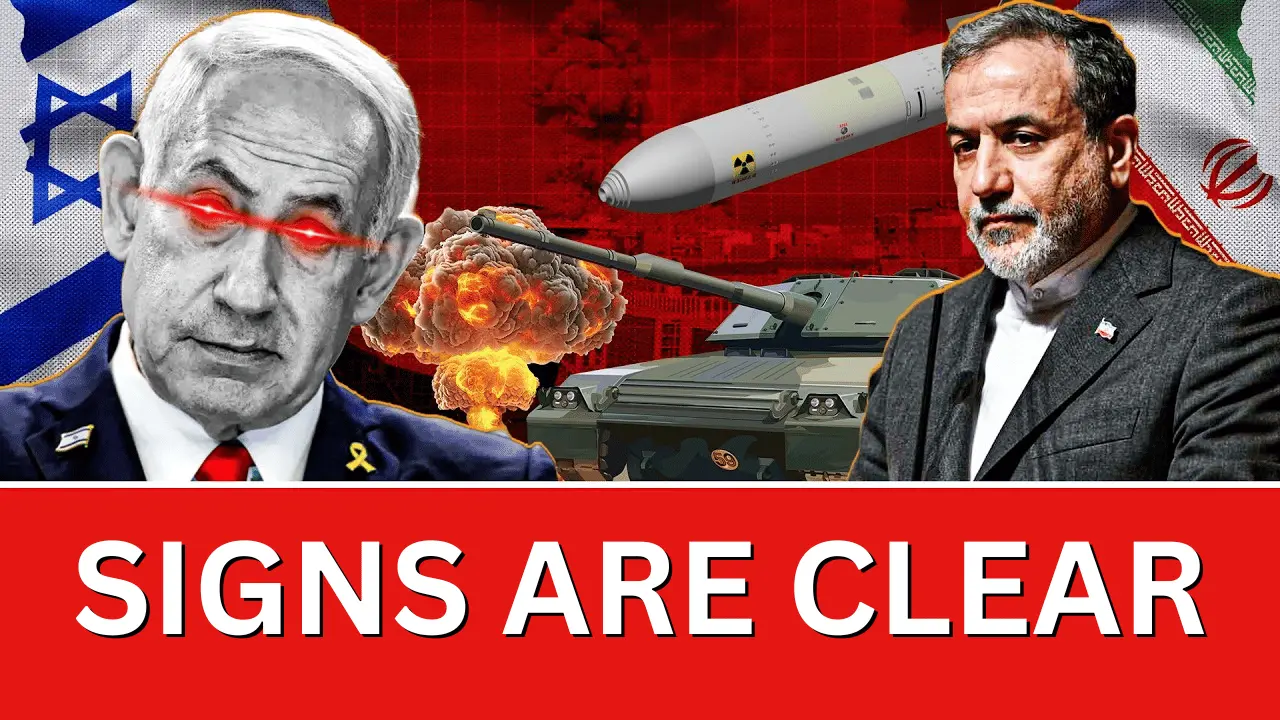

The Israel Iran war has dominated headlines, yet many people sense there is more beneath the surface.
Beyond missiles, alliances, and diplomatic statements, deeper questions quietly rise in the hearts of observers.
What if this conflict is revealing something larger about our world, our faith, and our future.
Curiosity is not fear, and curiosity is not sensationalism.
Curiosity is the desire to understand patterns, history, and spiritual implications more clearly.
This blog explores the Israel Iran war from a curiosity driven perspective that invites thoughtful reflection.
Instead of asking who is winning, we will ask why this conflict captures such global attention.
Instead of jumping to conclusions, we will examine the deeper layers that make this moment feel significant.
Sometimes the most important insights begin with honest questions.
Why Does This Conflict Feel Different
Wars have occurred throughout modern history, yet not every conflict grips the world in the same way.
The Israel Iran war seems to carry symbolic and strategic weight that extends beyond regional borders.
Many people who rarely follow international news suddenly feel compelled to pay attention.
Part of this curiosity stems from geography and history.
The Middle East has long been a crossroads of religion, culture, and global trade routes.
When tension rises in this region, ripple effects often spread worldwide.
Another reason involves long standing ideological hostility.
Public statements, historical grievances, and military positioning have created a narrative that feels decades in the making.
When such a narrative moves from rhetoric toward direct confrontation, global curiosity intensifies.
Curiosity does not assume catastrophe.
Curiosity simply recognizes that certain moments seem to signal turning points.
The Israel Iran war feels to many like one of those moments.
The Intersection of Faith and Geopolitics
One reason this conflict sparks unusual interest is its connection to biblical history.
Israel occupies a central place in Scripture and religious consciousness.
Iran corresponds geographically to ancient Persia, which also appears in biblical texts.
Even for those who are not deeply religious, these historical connections create fascination.
People sense that events in this region often carry spiritual undertones.
This perception fuels both curiosity and speculation.
However, curiosity should lead to careful study rather than instant conclusions.
Historical references in Scripture require context and thoughtful interpretation.
The presence of ancient names in modern headlines does not automatically equate to direct prophetic fullfillment.
Still, it is understandable why observers feel drawn to explore these links.
The blending of ancient texts and modern technology creates a striking contrast.
Drones and digital warfare unfolding in lands mentioned in Scripture naturally capture attention.
Global Stakes Beyond the Battlefield
Another layer of curiosity involves economic and strategic implications.
Energy markets, trade routes, and international alliances intersect in this region.
A localized escalation could influence global markets and diplomatic relationships.
When the Israel Iran war appears to threaten broader stability, nations far beyond the region take notice.
Financial systems respond quickly to uncertainty in energy producing areas.
This interconnected reality makes the conflict feel personally relevant even to distant observers.
Curiosity increases when individual lives may be indirectly affected.
Rising fuel prices, shifting political alliances, and changes in security policy create tangible consequences.
The war feels closer when its impact reaches everyday routines.
Understanding these broader stakes helps explain why global attention remains fixed on developments.
The conflict is not isolated within narrow borders.
It exists within a web of international relationships.
The Power of Narrative
Every major conflict generates competing narratives.
Each side frames events through historical memory, national identity, and security concerns.
Media coverage then amplifies certain angles while minimizing others.
Curiosity invites readers to examine these narratives carefully.
What historical events shaped current tensions.
How have decades of policy decisions contributed to present realities.
Rather than consuming only one stream of interpretation, thoughtful observers explore multiple perspectives.
This approach does not require moral neutrality, but it encourages informed understanding.
Curiosity strengthens discernment by expanding awareness.
The Israel Iran war becomes more complex when viewed through layered historical context.
Simplistic explanations rarely capture decades of geopolitical tension.
Serious reflection reveals how deeply rooted many conflicts truly are.
Is History Repeating Itself
Curiosity often asks whether present events mirror past patterns.
The Middle East has experienced cycles of conflict, negotiation, and fragile ceasefires.
Observers wonder whether current escalation represents repetition or transformation.
History teaches that unresolved tensions tend to resurface in new forms.
Shifts in leadership, technology, and alliances alter the landscape without erasing underlying grievances.
The Israel Iran war may reflect both continuity and change simultaneously.
Modern warfare technologies add another dimension to this curiosity.
Cyber operations, advanced missile systems, and intelligence networks create dynamics unseen in ancient conflicts.
This blend of old grievances and new capabilities feels historically significant.
Asking whether history is repeating itself encourages deeper learning.
It pushes readers to study past agreements, past failures, and past breakthroughs.
Curiosity becomes an invitation to grow in historical literacy.
The Human Element Often Overlooked
Behind geopolitical strategy are ordinary individuals experiencing uncertainty and fear.
Families in both nations face the emotional weight of potential escalation.
Soldiers, parents, and children live beneath headlines that others consume from a distance.
Curiosity should not lose sight of human dignity.
It should ask how conflict shapes daily life for people on the ground.
Compassion enriches understanding and prevents abstract detachment.
When curiosity includes empathy, it becomes constructive rather than voyeuristic.
It leads to thoughtful concern instead of dramatic speculation.
The Israel Iran war involves real communities whose lives matter deeply.
What This Moment Reveals About Us
Sometimes curiosity shifts from external events to internal reflection.
Why do certain conflicts captivate our attention more than others.
What fears or expectations surface when we read about escalating tensions.
Global crises often expose personal vulnerabilities and assumptions.
They reveal how much stability we expect from political systems.
They also highlight how quickly anxiety can spread through constant information exposure.
The Israel Iran war becomes a mirror as much as a headline.
It reveals how interconnected and fragile modern life can feel.
Curiosity invites self examination alongside geopolitical analysis.
Staying Curious Without Becoming Consumed
Curiosity can either inform or overwhelm depending on how it is managed.
Constant monitoring of updates may increase stress without increasing understanding.
Balanced curiosity sets healthy boundaries around information intake.
Choose reliable sources and avoid unverified claims.
Allow time for developments to unfold before drawing sweeping conclusions.
Healthy curiosity values accuracy over immediacy.
It is possible to remain informed without becoming consumed by every rumor.
It is possible to care deeply without living in constant alarm.
Curiosity works best when guided by patience and perspective.
Questions Worth Asking Moving Forward
As the Israel Iran war continues to evolve, thoughtful questions remain valuable.
How will regional alliances shift in response to ongoing developments.
Will diplomatic channels remain open alongside military posturing.
What long term economic impacts could arise from sustained tension.
How might emerging technologies reshape future confrontations.
Which historical lessons might leaders apply or ignore.
These questions do not predict outcomes.
They simply encourage deeper engagement with complex realities.
Curiosity keeps the mind open while events continue to unfold.
A Thoughtful Conclusion
The Israel Iran war carries strategic, historical, and symbolic weight that naturally draws global attention.
Curiosity about this conflict does not require panic or partisanship.
It invites careful observation, historical learning, and measured reflection.
Moments like this remind us that the world remains interconnected and fragile.
They encourage humility about how much any observer truly understands.
They also highlight the importance of patience as history continues to develop.
In times of uncertainty, thoughtful curiosity becomes a steady guide.
It resists sensationalism while still acknowledging significance.
The deeper we look, the more clearly we see that complex events deserve careful consideration.
You may also want to explore:
